Adding a Wood Stove Jack to Your Bushcraft Tarp
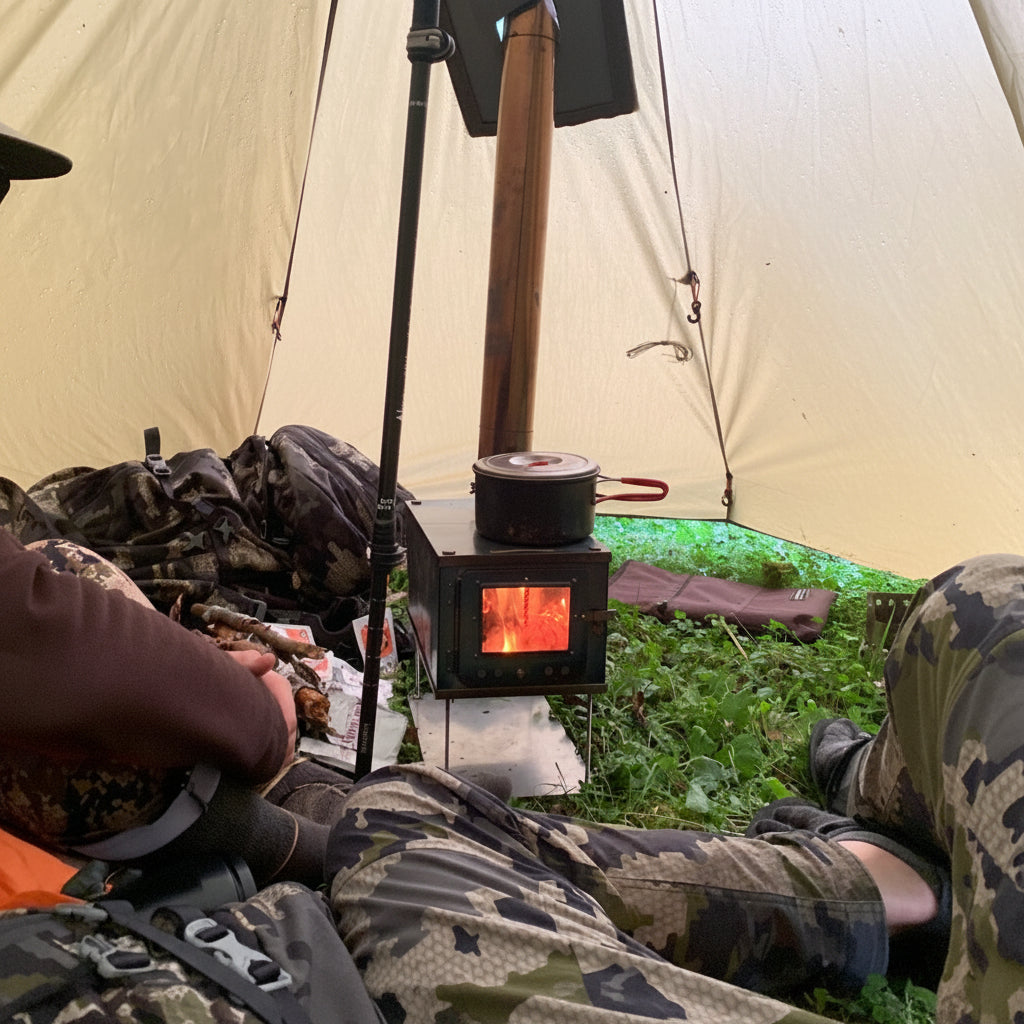
A bushcraft tarp is one of the most versatile shelter systems in the backcountry, offering lightweight protection and flexibility for extended trips. But when temperatures drop or you're camping in wet conditions, adding a wood stove transforms your tarp into a genuine basecamp. Here's how to safely and effectively integrate a tent wood stove into your bushcraft setup.

Why a Wood Stove Changes Everything
A quality tent wood stove provides warmth, the ability to dry gear, and a focal point for your camp. Unlike a campfire, a stove contains heat and smoke, allowing you to stay warm and comfortable inside your shelter. For bushcraft enthusiasts who spend extended time in the field, this is the difference between a functional camp and a miserable one.
Choosing the Right Stove for Your Tarp
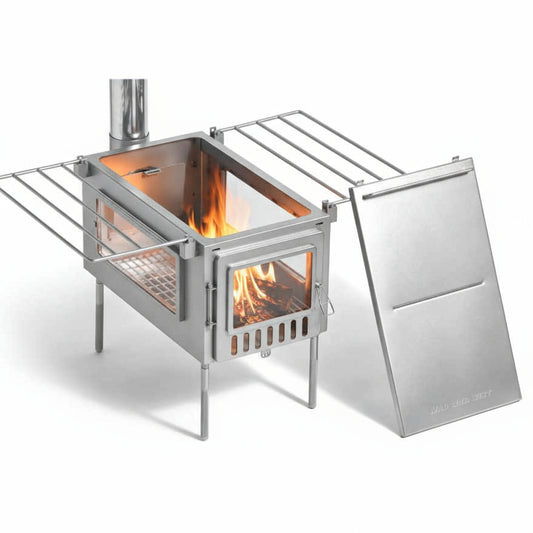
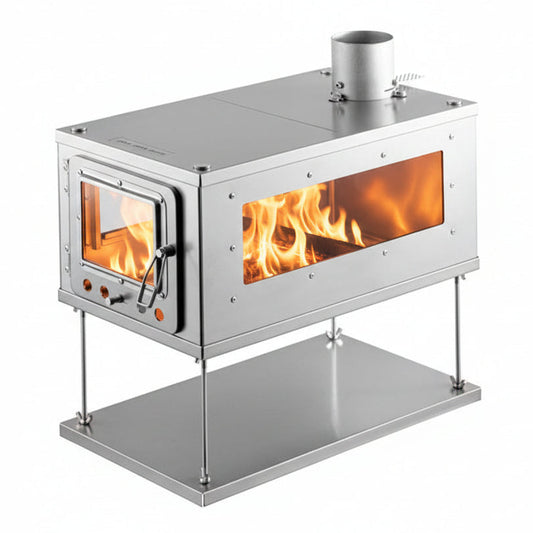
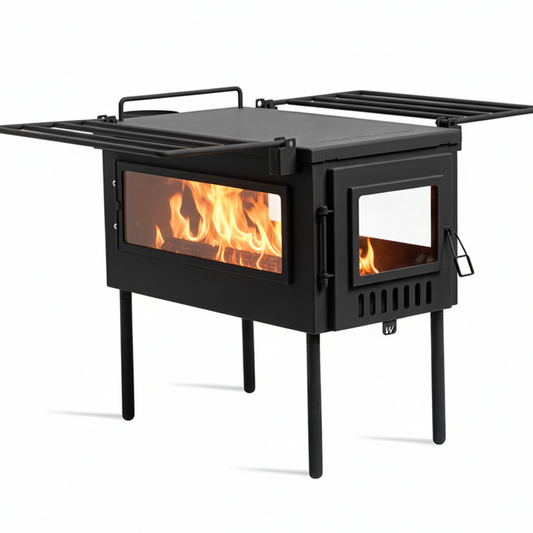
Not all wood stoves work equally well with tarps. Look for compact, lightweight models designed specifically for canvas or synthetic fabric shelters. The stove should have a reliable chimney system that draws smoke efficiently and minimal heat loss. Consider the footprint—your stove needs to fit comfortably inside your tarp without crowding your sleeping area or gear storage.
Weight matters too. If you're carrying your shelter on your back, a stove that weighs several pounds will impact your overall pack weight. Many modern bushcraft stoves balance durability with portability, making them practical for backcountry use.
Installing a Stove Jack in Your Tarp
A stove jack is a reinforced opening in your tarp designed specifically for chimney passage. Rather than cutting a hole and hoping for the best, a proper stove jack provides a safe, durable solution that protects your shelter fabric.
Most quality stove jacks are made from fire-resistant silicon fiberglass material with a metal ring that reinforces the opening. The ring prevents the fabric from fraying or burning back, and it creates a secure seal around your chimney pipe. This is the difference between a temporary setup and a shelter system built to last multiple seasons.
If your tarp didn't come with a pre-installed jack, you can purchase aftermarket options that bolt or stitch into place. Some bushcraft tarps come with multiple jack options, giving you flexibility in stove placement depending on your camp layout.
When installing a jack, ensure the opening is large enough for your chimney diameter but not so large that gaps remain around the pipe. A snug fit minimizes heat loss and but not so airtight that your shelter can move freely in the wind.
A well-installed stove jack transforms your tarp from a temporary shelter into a genuine winter basecamp. It's one of the most important investments you can make if you plan to use a wood stove regularly in your bushcraft setup.
Setting Up Your Stove Safely
Proper placement is critical. Position your stove on a level, stable surface away from the tarp walls and any gear. Use a heat-resistant mat or platform beneath the stove to protect the ground and prevent it from sinking into soft soil. The chimney should exit through a dedicated opening in your tarp—never cut holes on the fly or improvise the exit point.
Maintain clearance between the stove pipe and fabric. Most manufacturers recommend at least 12 inches of space between the chimney and any flammable material. Install a spark arrestor on top of the chimney to prevent embers from escaping and damaging your shelter.
Fuel and Fire Management
Seasoned hardwood burns cleanest and produces the most consistent heat. Avoid wet or green wood, which creates excessive smoke and creosote buildup in your chimney. Collect firewood during daylight hours and store it under your tarp to keep it dry for evening use.
Start your fire early in the evening to allow the shelter to warm gradually. A small, well-managed fire is safer and more efficient than a large, roaring blaze. Monitor the stove throughout the evening and bank the coals before sleep to maintain warmth without risk.
Ventilation and Safety
Even with a stove, your tarp needs adequate ventilation to prevent carbon monoxide buildup. Ensure your shelter has openings at opposite ends to allow air circulation. Never seal your tarp completely, and always position your sleeping area away from direct stove heat.
Keep a fire extinguisher or water source nearby as a precaution. Inspect your stove and chimney regularly for damage or corrosion, especially after extended use. A well-maintained stove is a safe stove.
Getting the Most from Your Setup
Once your stove is properly installed, you'll discover new possibilities for your bushcraft trips. Longer seasons become accessible, wet weather becomes manageable, and your camp becomes genuinely comfortable. The combination of a bushcraft tarp and a quality wood stove is a time-tested approach to backcountry living that works in diverse conditions.
Invest in quality gear, practice your setup at home before heading into the field, and respect the responsibility that comes with fire in a fabric shelter. Done right, a tent wood stove elevates your bushcraft experience from survival to genuine comfort.