Best Overlanding Firewood Tips for Wood Stove
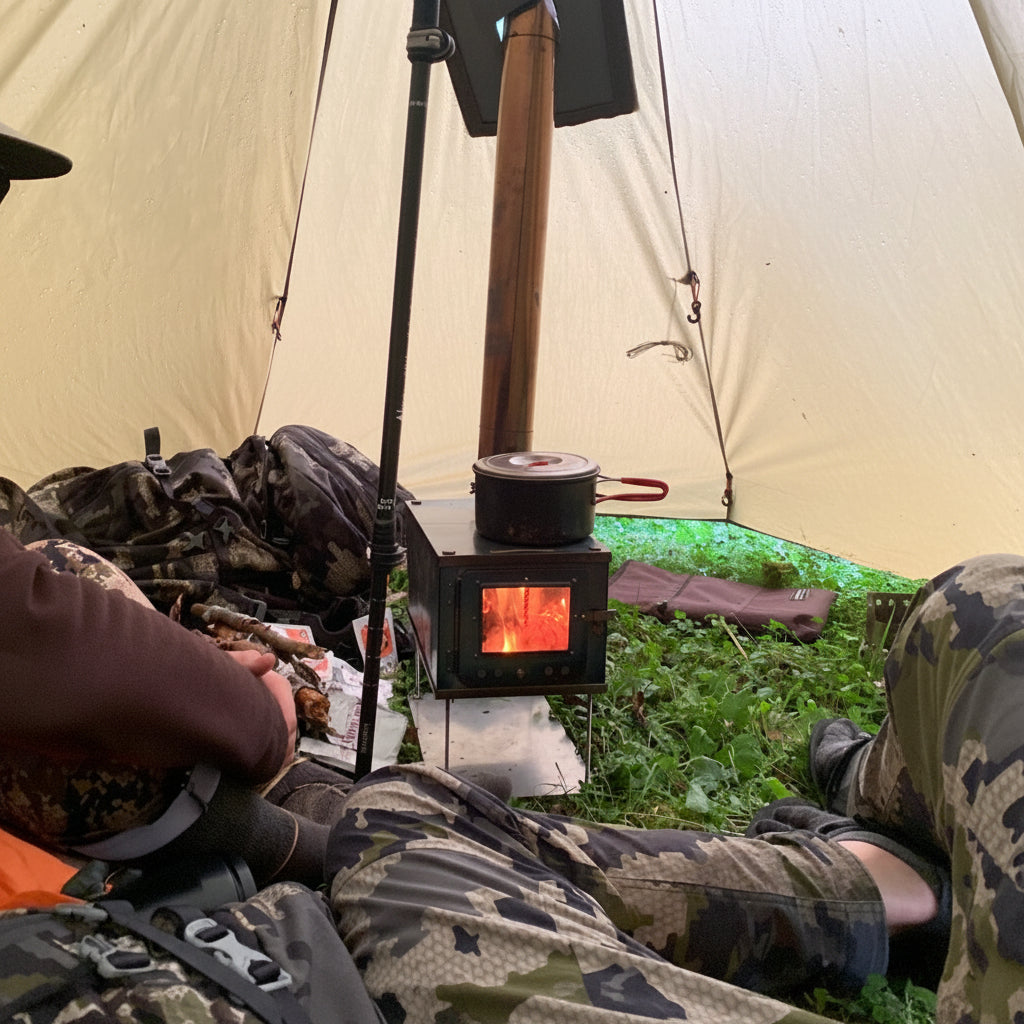
When you're out in the backcountry with a wood stove, the quality of your firewood can make or break your camping experience. Finding, preparing, and storing the right wood ensures reliable heat, efficient burns, and a safer camp setup. Here's what you need to know to master firewood selection on your overlanding adventures.

Choose Hardwoods Over Softwoods
Hardwoods like oak, maple, and birch burn hotter and longer than softwoods such as pine and spruce. They produce less creosote buildup in your stove pipe, which reduces the risk of chimney fires and keeps your equipment cleaner. When you're selecting wood at your campsite or before you leave, prioritize hardwoods whenever possible. They're denser, which means you'll need less volume to generate the same heat output.
Moisture Content Is Critical
Wet or green wood creates excessive smoke, produces less heat, and leaves heavy deposits inside your stove. Seasoned firewood—wood that's been dried for at least six months to a year off the ground—burns cleaner and hotter. The ideal moisture content is below 20 percent. If you're gathering wood on the trail, look for dead standing trees and fallen branches that have been exposed to sun and wind. Avoid freshly cut wood or anything that feels damp to the touch.
Size Your Wood for Your Stove
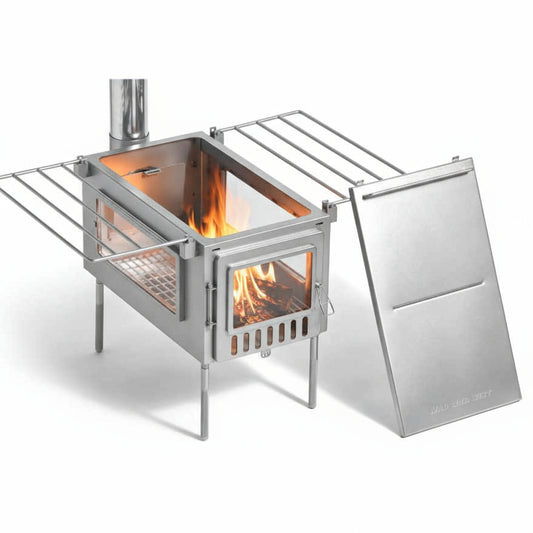
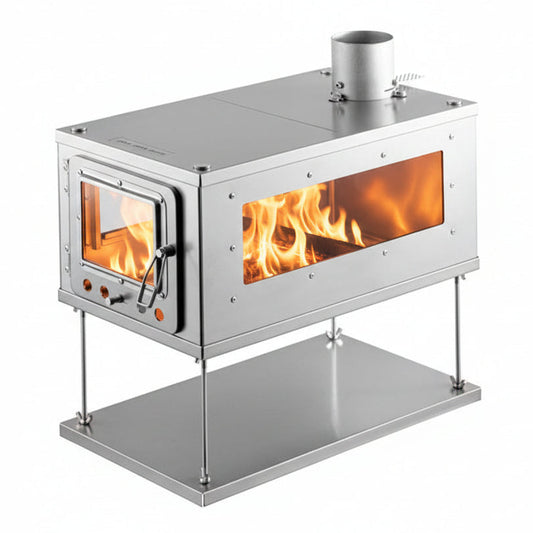
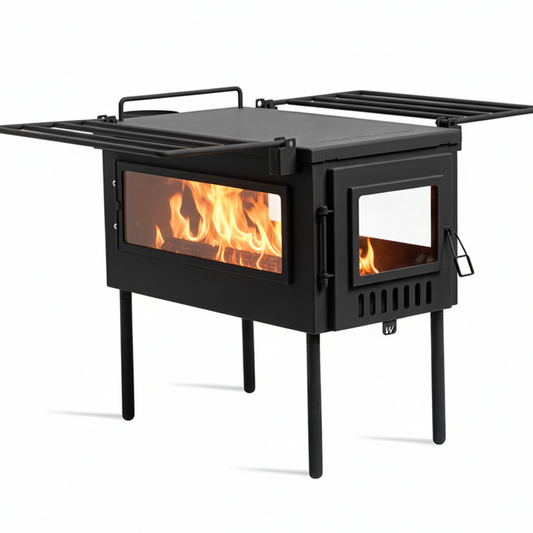
Wood pieces should fit comfortably inside your stove with a bit of room to spare. Oversized logs won't fit properly and create airflow problems. Undersized pieces burn too quickly and require constant feeding. Most overlanding wood stoves work best with logs between 3 and 6 inches in diameter and 12 to 16 inches long. Bring a compact saw or hatchet to process wood on site, and always cut wood away from your tent and sleeping area.
Gather More Than You Think You Need
It's easy to underestimate firewood consumption, especially on cold nights. Plan to collect 50 percent more wood than you think you'll burn. This buffer accounts for damp wood, inefficient pieces, and longer-than-expected cold spells. Gathering extra wood during daylight hours means you won't be scrambling in the dark or in poor weather.
Essential Tools for Processing Firewood
Having the right tools makes firewood processing faster, safer, and more efficient in the field. A quality folding saw is the cornerstone of any overlander's firewood kit. Look for saws with sharp blades and comfortable handles that pack down small. They cut through dead wood cleanly without the weight and bulk of a full-size crosscut saw. A folding saw lets you process logs to the right size without exhausting yourself.
A compact hatchet or camp axe serves double duty—splitting kindling and processing larger pieces. Choose one with a comfortable grip and a head weight between 1.5 and 2.5 pounds. Heavier isn't always better; a lighter tool reduces fatigue during extended use. Keep your blade sharp before you leave home, and pack a small whetstone or sharpening tool to maintain the edge in camp.
A pair of heavy-duty work gloves protects your hands from splinters, sharp edges, and rough bark. Leather gloves offer durability and grip, while some overlanders prefer nitrile-coated options for wet conditions. Either way, gloves make handling rough wood safer and more comfortable during long processing sessions.
Consider adding a small splitting wedge to your kit if you're dealing with larger diameter wood. Wedges help you split stubborn logs without excessive force, reducing the risk of the axe getting stuck or bouncing back. A lightweight maul or splitting axe is another option if you expect to process substantial quantities of wood.
Store all tools in a dedicated bag or roll to keep them organized and protected. Sharp tools deserve respect—secure them so they won't shift during transport or cause injury around camp. Well-maintained tools make firewood processing a manageable task rather than a frustrating chore.
Store Wood Properly at Camp
Keep your firewood elevated off the ground and away from moisture. A simple tarp or inside your shelter protects your supply from rain and dew. Organize your pile so you can easily access the driest pieces first, and keep a small amount of kindling separate for starting fires.
Know Local Regulations
Some public lands and private properties have restrictions on firewood collection. Always check local regulations before you camp. In some areas, you may need to bring firewood from home or purchase it locally. Respecting these rules protects the environment and keeps you compliant with land management policies.
Master these firewood fundamentals, and you'll enjoy reliable, efficient heat from your wood stove no matter where your overlanding journey takes you.
Practice Leave No Trace Principles with Your Wood Stove
Using a wood stove responsibly means minimizing your environmental impact. Collect only dead and downed wood—never strip bark from living trees or cut branches from standing timber. This preserves the forest ecosystem and prevents damage to healthy vegetation. Dead wood also provides habitat for insects and wildlife, so take only what you need for your immediate heating requirements.
Avoid burning treated wood, painted materials, or anything with chemical coatings. These release toxic fumes and leave harmful residue. Stick to natural, untreated firewood only. When you break camp, scatter any remaining unburned wood away from the site so it doesn't create an eyesore for the next visitor.
By following these Leave No Trace practices, you protect the backcountry for future overlanders while enjoying the warmth and comfort of your wood stove.