Best Wood Stove for Overlanding Camping Trip Adventures
Choosing the Best Wood Stove for Overlanding Adventures
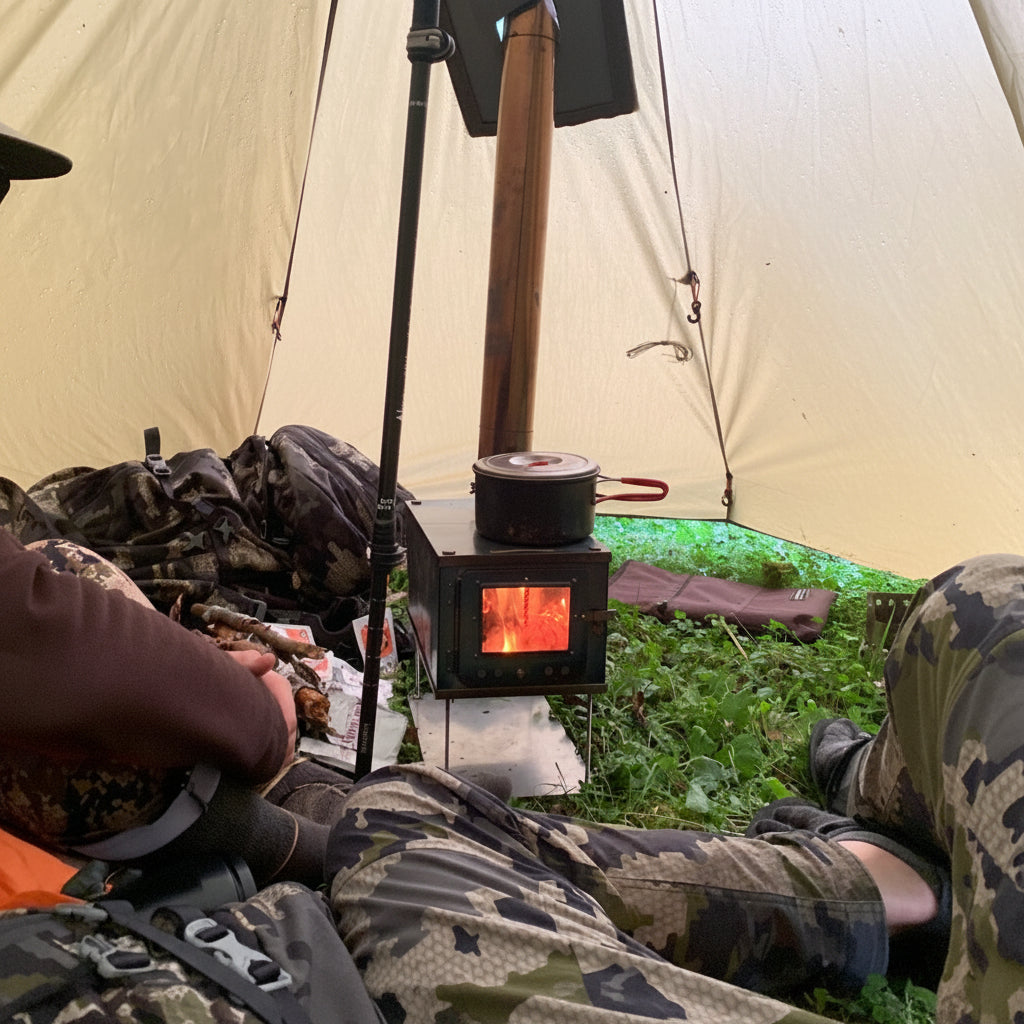
Overlanding demands gear that can handle remote terrain, unpredictable weather, and extended time away from civilization. A quality tent wood stove transforms your mobile basecamp into a warm, comfortable refuge—whether you're parked in the high desert, deep forest, or subalpine meadow. Here's what separates the best performers from the rest.

Why a Tent Wood Stove Matters for Overlanders
Unlike car camping, overlanding often means traveling to locations where established campgrounds don't exist. You need heating that's reliable, efficient, and doesn't depend on propane canisters or electrical hookups. A wood stove lets you harvest fuel from your surroundings, provides consistent warmth through the night, and creates a focal point for your camp experience.
The right stove also extends your season. Spring and fall overlanding trips that would otherwise be uncomfortable become genuinely enjoyable when you can maintain a warm interior temperature.
Tent Wood Stoves Beyond the Tent: Cooking and Fire Restrictions
One of the most versatile aspects of a quality tent wood stove is its ability to function as a standalone cooking and heating solution outside your tent. Many overlanders use their stove as a campfire alternative when regulations or conditions restrict open flames.
Cooking Capabilities
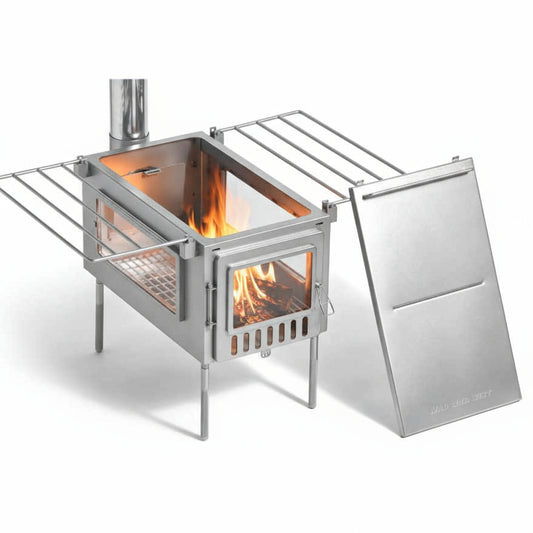
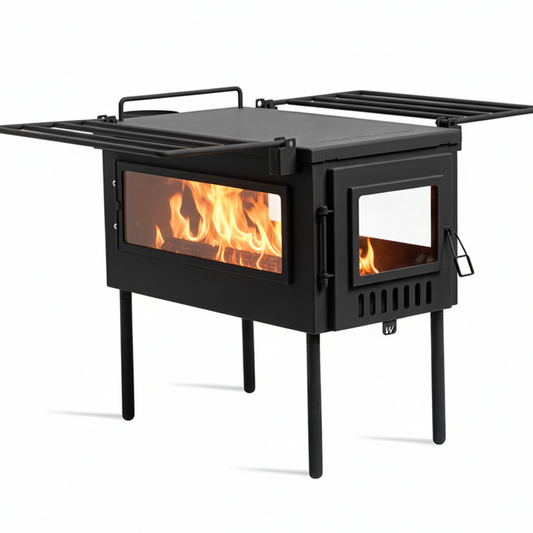
A tent stove with a flat top surface becomes a practical cooking platform. You can simmer coffee, heat water for meals, or cook simple dishes directly on the stove body. Some models accept optional cooking grates or griddles that sit securely on the firebox opening. This dual-purpose functionality means you're not carrying separate cooking gear—your heating stove pulls double duty.
Fire Restrictions and Regulations
Many overlanding destinations enforce fire bans during dry seasons or in sensitive ecosystems. A contained wood stove offers a compliant alternative to open campfires. The enclosed firebox and controlled burn reduce wildfire risk, making stoves acceptable in areas where traditional campfires are prohibited. Always verify local fire regulations before your trip and confirm that your stove meets any specific requirements.
Leave No Trace Considerations
A contained stove minimizes environmental impact compared to open fires. Ash and unburned wood residue are easier to manage. This makes stoves an excellent choice for fragile ecosystems or high-traffic overlanding areas where campfire scars are a concern.
Key Features to Evaluate
Firebox Size and Burn Time
A larger firebox holds more wood and burns longer between refueling. For overlanders, this means fewer trips outside to feed the fire during cold nights. Look for stoves designed to accept logs of reasonable length—typically 12 to 16 inches—so you're not constantly splitting wood at camp.
Weight and Portability
Every pound matters when you're carrying gear across rough terrain. Premium tent stoves balance substantial construction with manageable weight. Consider models in the 15 to 45-pound range as a practical sweet spot between durability and packability.
Chimney and Ventilation Design
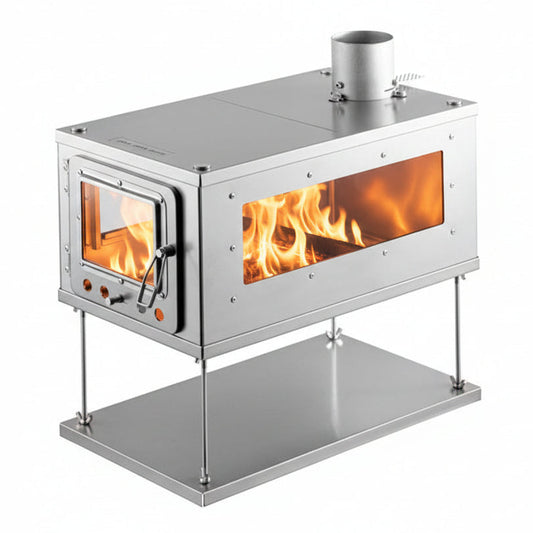
A well-engineered chimney system draws smoke efficiently and minimizes heat loss. Modular chimney sections allow you to adjust height based on your tent setup and wind conditions. Stainless steel or powder-coated steel resists corrosion from repeated packing and exposure.
Ease of Setup and Breakdown
You'll assemble and disassemble your stove multiple times per trip. Intuitive designs with minimal fasteners save frustration and time. Some overlanders prefer stoves that nest compactly for transport.
Fuel Considerations
Hardwoods like oak and maple burn hotter and longer than softwoods. Dry wood is essential—wet or green wood produces excessive smoke and creosote buildup. Many overlanders carry a small amount of kindling and seasoned firewood as backup, then supplement with deadfall collected responsibly at camp.
Always check local land manager regulations before harvesting wood. Some regions restrict collection, and Leave No Trace principles encourage minimal impact on the landscape.
Tent Compatibility
Not all tents work well with wood stoves. You need a tent with a stove jack or chimney opening designed for stove use. Hot tents—purpose-built canvas or nylon structures with stove jacks—offer the best experience. If you're using a standard tent, verify that your stove's chimney system can safely exit through a reinforced opening.
Making Your Choice
The best tent wood stove for your overlanding setup depends on your typical trip duration, climate, and how much weight you're willing to carry. Test your stove in your driveway or backyard before heading into the field. Familiarize yourself with operation, maintenance, and safety protocols so you can focus on the adventure, not troubleshooting gear.
A reliable tent stove becomes one of your most valued pieces of equipment—the difference between a memorable trip and a miserable one.