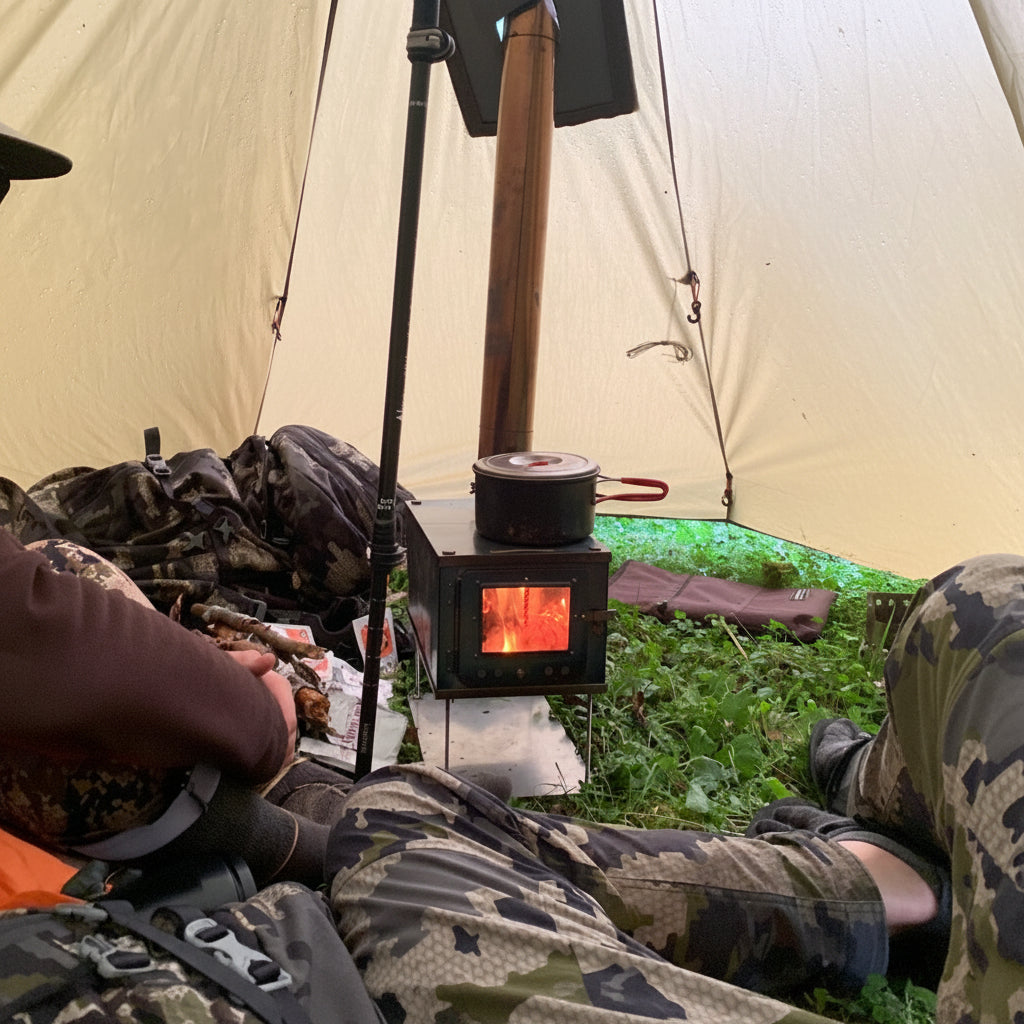
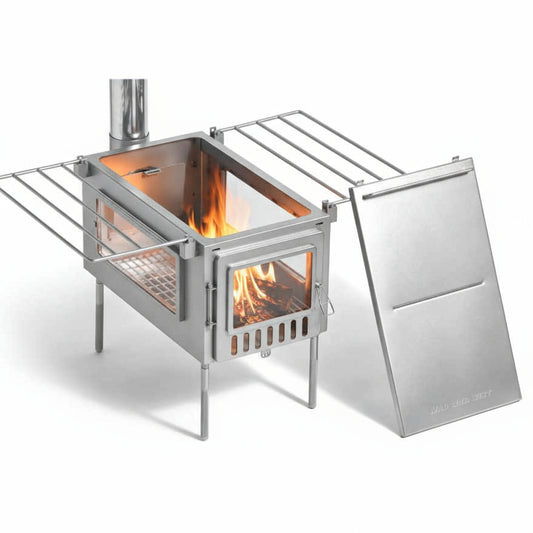
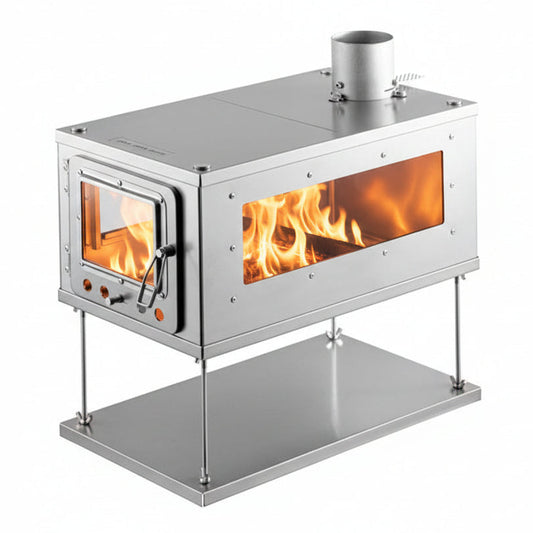
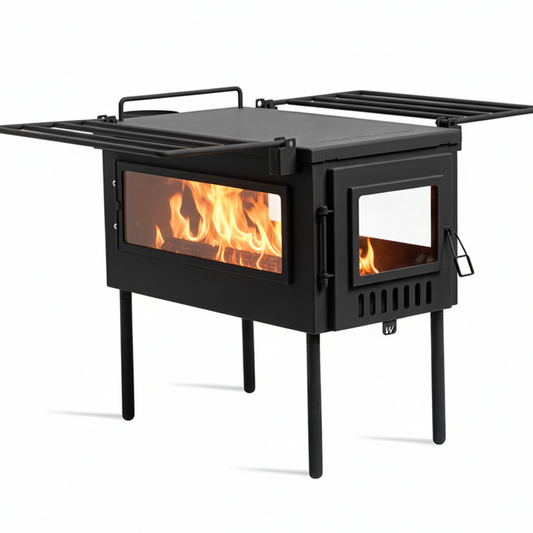
Better for Backpacking: Titanium vs Steel Tent Wood Stoves
Titanium vs. Stainless Steel Tent Wood Stoves: Which Is Right for Your Backpacking Adventure?
When it comes to choosing a tent wood stove for backpacking, the material matters more than you might think. Titanium and stainless steel are the two most popular options, and each brings distinct advantages to the backcountry. Understanding the differences will help you make the right choice for your specific needs and style of camping.

Weight: The Titanium Advantage
For backpackers counting every ounce, titanium is the clear winner. Titanium stoves are significantly lighter than their stainless steel counterparts, making them ideal if you're covering long distances on foot or climbing to high elevations. The weight savings can be substantial—sometimes 30 to 50 percent lighter depending on the model—which translates to less fatigue and more energy for enjoying your trip.
Stainless steel stoves, while heavier, are still manageable for most backpacking trips, especially if you're establishing a base camp or traveling shorter distances. The extra weight is a trade-off worth considering based on your hiking style.
Space in Your Backpack
Beyond weight, titanium stoves offer another practical advantage: packability. Many titanium stove designs collapse or nest down to a remarkably compact size, taking up minimal space in your pack. This collapsible design is a game-changer for ultralight backpackers who are optimizing every cubic inch of their gear.
Stainless steel stoves, by contrast, are typically more rigid and don't pack down as small. They maintain their footprint whether packed or unpacked, which means they consume more real estate in your backpack, some even needs to be hand carried. If you're working with a smaller pack or trying to keep your load profile tight, this difference becomes noticeable on the trail.
The combination of lighter weight and smaller packed size makes titanium the superior choice for backpackers with limited carrying capacity or those who prioritize minimalist gear systems.
Durability and Longevity
Stainless steel is renowned for its toughness and resistance to corrosion. It can handle rough treatment, temperature extremes, and years of use without degrading. If you're planning to use your stove season after season and don't mind the extra weight, stainless steel is a reliable, long-lasting investment.
Titanium is also durable and corrosion-resistant, but it requires slightly more careful handling. It's less forgiving if dropped or dented, though it won't rust or degrade over time. Titanium's strength-to-weight ratio is exceptional, making it ideal for serious backpackers who treat their gear with respect.
Heat Performance and Efficiency
Both materials conduct heat effectively, but stainless steel typically retains and radiates heat slightly better due to its density. This can mean faster cooking times and more consistent warmth in your tent. Titanium heats up quickly but may cool down slightly faster once the fire dies down.
In practice, the difference is minimal for most backpacking scenarios. Both will keep you warm and cook your meals efficiently. Your choice here should be secondary to weight and durability considerations.
Cost Considerations
Stainless steel stoves are generally more affordable, making them a great entry point if you're new to wood stove camping. Titanium stoves command a premium price due to the material's cost and the precision required to manufacture them. If budget is a primary concern, stainless steel offers excellent value.
The Verdict
Choose titanium if you prioritize ultralight gear, plan frequent backpacking trips, and are willing to invest in premium equipment. Choose stainless steel if you value durability, affordability, and don't mind carrying extra weight, or if you're primarily car camping with occasional backpacking adventures.
Ultimately, both materials will serve you well in the backcountry. The best choice depends on your personal priorities, budget, and the type of trips you take most often. Most serious campers own one of each option.