Building the Ideal Hot Tent Setup for Elk Hunting with Wood Stove
Building the Ideal Hot Tent Setup for Elk Hunting
Elk hunting demands a base camp that keeps you warm, comfortable, and ready for early mornings and late nights in the backcountry. A hot tent with a wood stove is the gold standard for serious hunters, offering reliable heat, durability, and the ability to dry gear and cook meals in one sheltered space. Here's how to assemble the perfect setup.

Selecting Your Tent
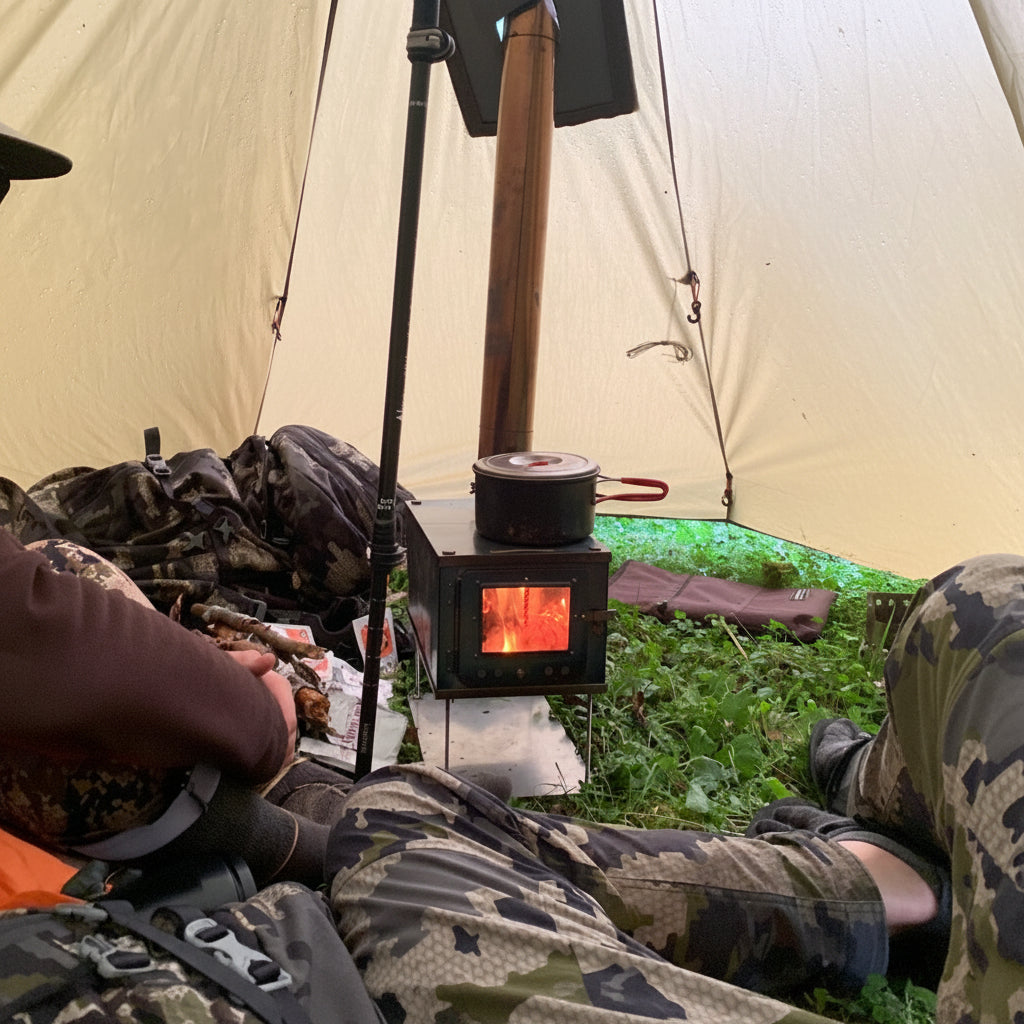
Choose a heavy-duty fabric hot tent designed specifically for wood stove use. Canvas tents offer superior insulation and durability compared to silnylon alternatives, which is critical when you're spending weeks in harsh outdoor conditions. Look for a tent with a reinforced stove jack—a dedicated opening where your chimney pipe passes through the fabric safely.
For elk hunting, a medium to large tent (8–16 feet) works well for a solo hunter or small group. This size provides enough space for sleeping, gear storage, and a comfortable living area around the stove without being so large that heating becomes inefficient or fuel consumption becomes excessive.
Choosing the Right Wood Stove
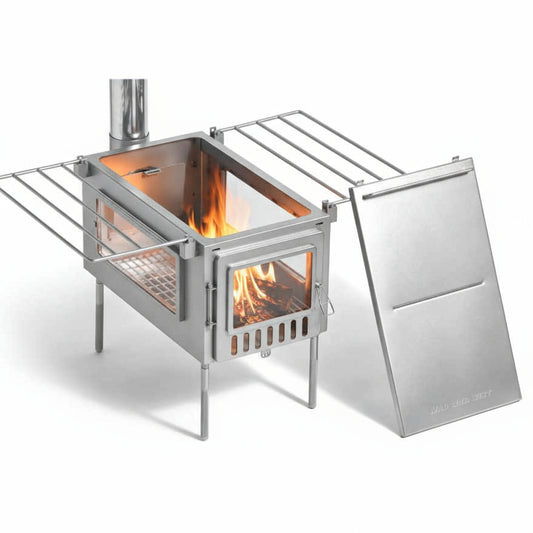
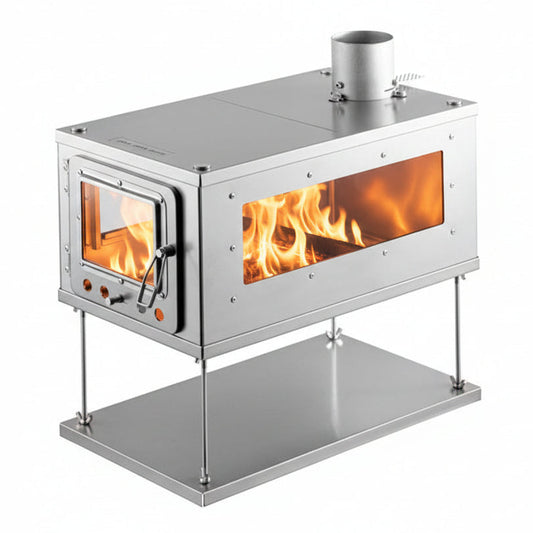
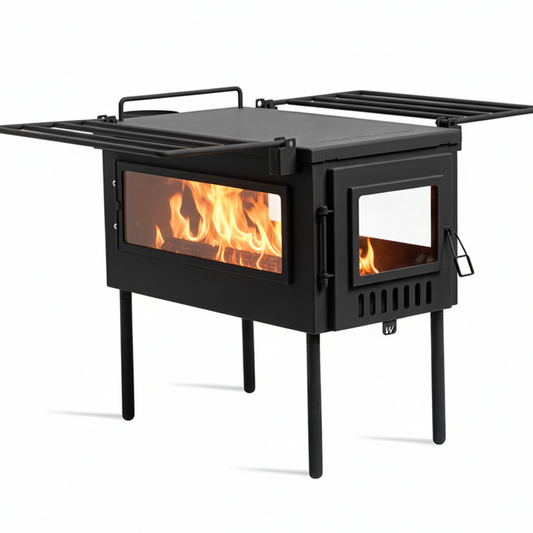
A compact to mid-sized wood stove is ideal for elk camp. Look for a stove with a firebox large enough to accept split wood without constant feeding, but not so large that it overheats your tent or requires excessive fuel hauling.
Consider a stove with a flat top surface—this gives you a place to heat water, cook simple meals, or dry socks and gloves. Durability matters; choose a stove built from heavy-gauge steel or titanium that can withstand the rigors of backcountry use and repeated setup and breakdown.
Chimney and Safety Setup
Invest in quality stovepipe and chimney components. A properly installed chimney draws smoke efficiently, prevents creosote buildup, and reduces fire risk. The chimney should extend at least 2-3 feet above the tent peak to ensure proper draft and minimize smoke issues.
Install a spark arrestor at the chimney top to prevent embers from escaping and damaging the tent. Keep a fire extinguisher or water in camp and maintain clear space around the stove—at least 3 feet from tent walls and gear.
Flooring and Insulation
A quality tent groundsheet protects against moisture and ground cold. Many hot tent hunters near a vehicle, add an additional layer of insulation beneath the tent, such as foam pads or reflective barriers, to maximize heat retention and comfort during cold nights.
Position your sleeping area away from the stove but close enough to benefit from radiant heat. A well-designed layout keeps the stove in a central living space where you can cook, dry gear, and warm up between hunting sessions.
Fuel and Wood Management
In some regions, elk season often means remote locations where wood may be scarce. Plan to pack in split, seasoned firewood or identify dead-and-down wood sources near your camp before arrival. Dry wood burns hotter and cleaner, reducing smoke and creosote. Store wood under a tarp or in a covered area to keep it dry.
A single night of heating typically requires 15–25 pounds of wood, depending on outside temperature and stove efficiency. Budget accordingly for multi-week hunts.
Additional Gear and Comfort
Complement your hot tent setup with quality sleeping bags rated for the coldest temperatures you'll encounter. A sleeping pad adds insulation from the ground and increases comfort. Inside the tent, keep a headlamp, thermometer, and basic tools for stove adjustments within arm's reach.
A small table or camp desk near the stove creates a space for meal prep, map reading, and planning the next day's hunt. Hooks or lines for hanging wet gear ensure everything dries efficiently and keeps your living space organized.
Testing Before the Hunt
Set up and test your entire system in your backyard or a nearby location before heading into elk country. Practice assembling the tent, starting the stove, and managing the fire. Identify any issues with draft, heat distribution, or comfort while you're still close to home.
A well-planned hot tent setup transforms your elk camp into a warm, functional base that lets you focus on hunting rather than struggling with cold and discomfort. Invest in quality gear, practice your setup, and you'll be ready for a successful season in the backcountry.