Buying a Tent Stove Jack vs Modifying Own from Scratch
Tent Stove Jack: Buy or DIY?
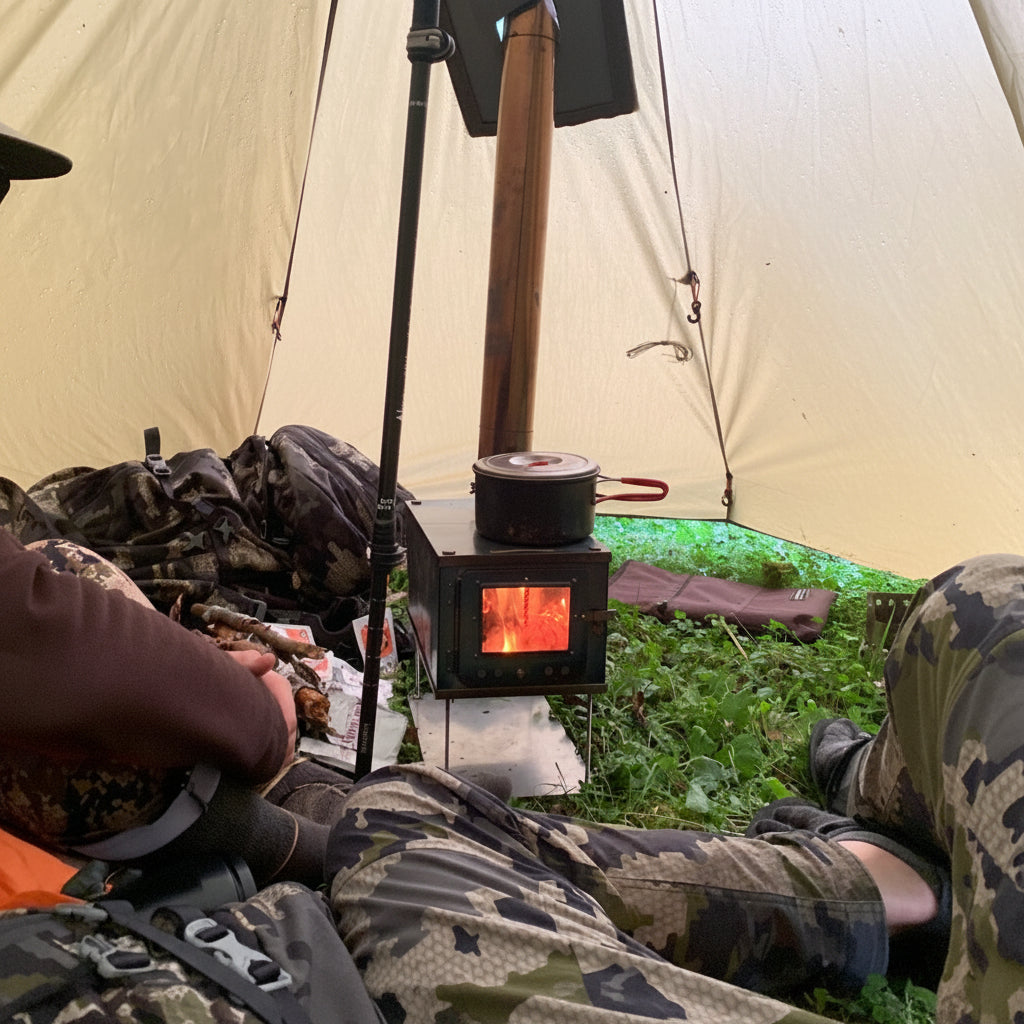
If you're planning to run a stove inside your hot tent, one of the first decisions you'll face is whether to purchase a pre-made tent stove jack or modify your own. Both approaches have merit, and the right choice depends on your skill level, budget, and how quickly you want to get on the trail.

The Case for Buying a Tent Stove Jack
A purpose-built tent stove jack offers several advantages. Manufacturers design them specifically to handle the heat and stress of a stove pipe passing through fabric. They typically feature reinforced materials, and tested sealing methods that minimize the risk of fire or heat damage to your tent.
Pre-made jacks also save time. If you're not comfortable with sewing or fabrication, purchasing one eliminates the learning curve. Installation is usually straightforward—most attach via velcro, bolts, or stitching to your tent's roof panel. You'll also have a warranty, which provides peace of mind.
For those who camp frequently or own multiple tents, a quality jack is a worthwhile investment that will last for years.
The DIY Route
Modifying your own tent stove jack appeals to hands-on campers and those looking to save money. If you have basic sewing skills and access to heat-resistant materials—like silicone-coated fabric, Kevlar tape, or specialized stove jack kits—you can create a functional solution tailored to your tent's exact dimensions.
The downside is that mistakes can be costly. Inadequate insulation around the pipe opening creates fire hazards. You'll also need to invest time in research, sourcing materials, and testing your work before relying on it in the field.
Which Should You Choose?
If this is your first hot tent setup or you prioritize safety and convenience, buy a quality tent stove jack from a reputable manufacturer. If you're experienced with gear modification, enjoy the challenge, and want to customize your setup, a DIY approach can work—just invest in proper materials and take your time.
Either way, never compromise on the seal around your stove pipe. That's where safety matters most.