Can You Use a Tent Stove in the Rain?
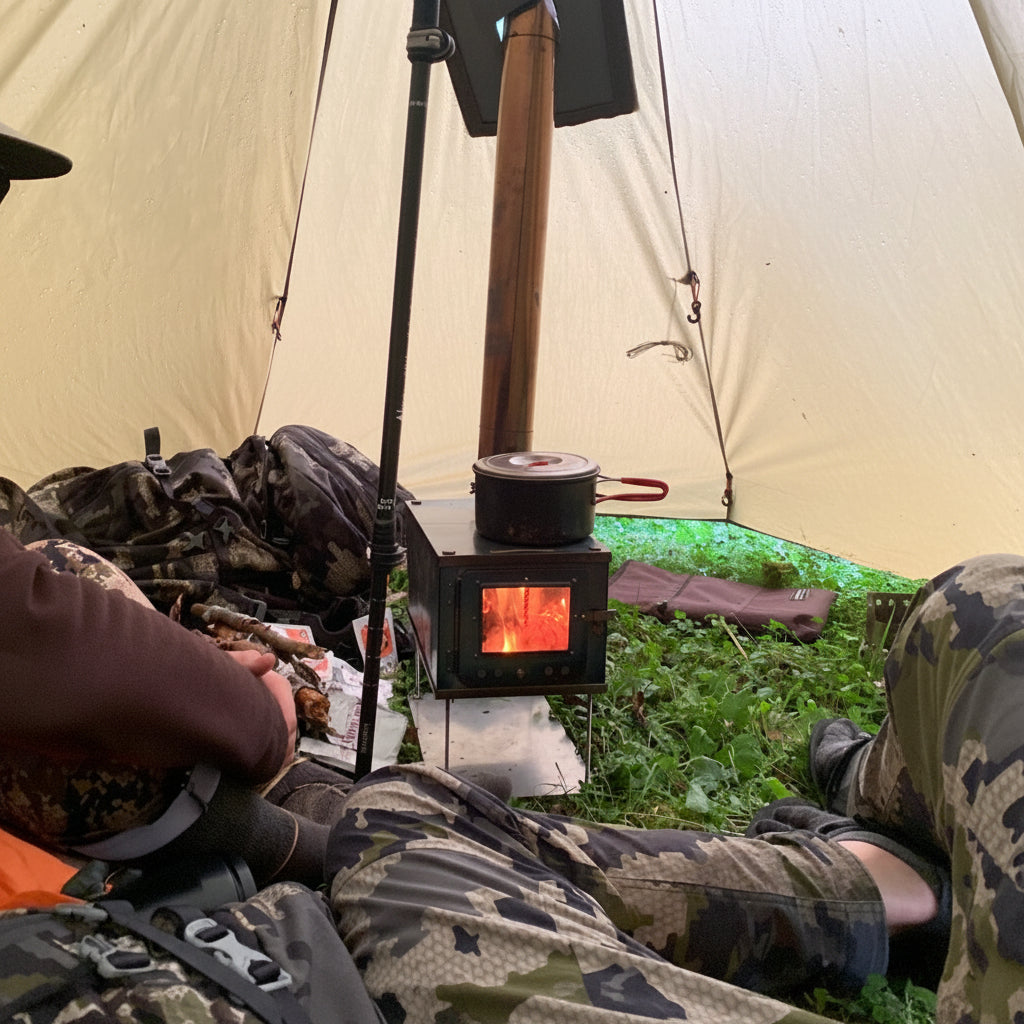
One of the most common questions we hear from hot tent enthusiasts is whether tent stoves can safely operate during rainy weather. The short answer is yes—but there are important considerations and best practices you need to follow to ensure safety and performance.

How Rain Affects Your Tent Stove
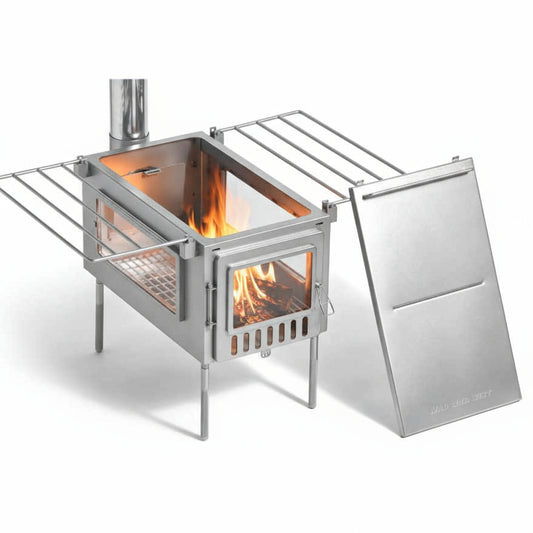
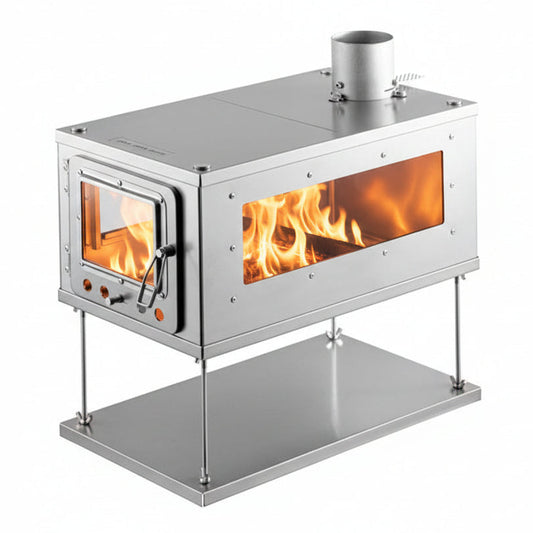
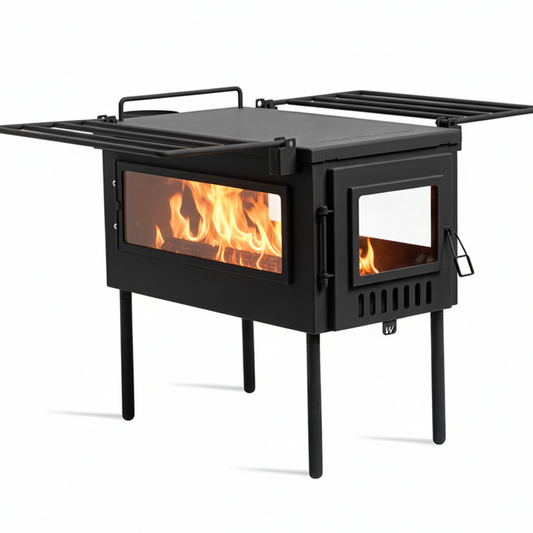
Modern tent stoves are designed to handle moisture, but rain presents unique challenges. Water can enter through the chimney pipe, reduced draft, and temporary performance issues. The key is understanding how your stove's design and your setup method impact rain resistance.
The most vulnerable point is where the stove pipe exits your tent. If water runs down the outside of the pipe and into the connection, it can drip onto hot surfaces inside, creating steam and reducing efficiency. A properly installed stove jack significantly reduces this risk.
Essential Setup for Rainy Conditions
Most hot tents use a fire-resistant stove jack collar or gasket to seal the hole where the pipe passes through the fabric. Check that this seal is intact and free of damage before each trip.
Position your tent to minimize wind-driven rain hitting the pipe exit. Even a slight angle can reduce water intrusion. If you're camping in heavy rain, consider the direction of prevailing winds when setting up.
Choose a campsite on high ground, where all rain water will run away from your shelter. Avoid low points in the ground where water can collect. This is especially important when using a floorless tent!
Operational Tips for Wet Weather
Start your fire and allow the stove to warm up. Any water on the stove will evaporate once hot. You may notice a bit of steam or hissing initially—this is normal and typically clears within minutes.
Use dry firewood whenever possible. Wet wood produces more smoke and creosote buildup, which can accumulate in your chimney and reduce draft efficiency. Store your wood supply under a tarp outside your tent.
Monitor your draft carefully during rainy conditions. If you notice smoke backing up into your tent, reduce the fire size slightly or improve ventilation. A weak draft often indicates moisture in the system, which usually resolves as the stove warms up. Rain can also cause the spark arrestor to clog more quickly.
Maintenance After Wet Weather Use
After camping in rain, inspect your stove pipe and connections for any water accumulation. Disassemble the pipe sections if needed and allow them to dry completely before storage. Wet stove? Completely dry at home before long term storage. This prevents rust and extends the life of your equipment.
If you notice persistent draft issues or excessive creosote buildup after wet-weather use, clean before your next adventure. Regular maintenance keeps your stove safe and efficient year-round.
The Bottom Line
Rain doesn't have to keep you out of your hot tent. With proper equipment—correct setup, and good operational practices, your tent stove will perform reliably in wet conditions. The investment in quality gear and attention to detail pays off in comfort and safety during your backcountry adventures.
One of the most common questions we hear from hot tent enthusiasts is whether tent stoves can safely operate during rainy weather. The short answer is yes—but there are important considerations and best practices you need to follow to ensure safety and performance.
How Rain Affects Your Tent Stove
Modern tent stoves are designed to handle moisture, but rain presents unique challenges. Water can enter through the chimney pipe, potentially causing steam buildup, reduced draft, and temporary performance issues. The key is understanding how your stove's design and your setup method impact rain resistance.
The most vulnerable point is where the stove pipe exits your tent. If water runs down the outside of the pipe and into the connection, it can drip onto hot surfaces inside, creating steam and reducing efficiency. A properly installed stove jack significantly reduces this risk.
Essential Setup for Rainy Conditions
Ensure your tent has proper ventilation around the stove pipe penetration. Most hot tents use a fire-resistant stove jack collar or gasket to seal the hole where the pipe passes through the fabric. Check that this seal is intact and free of damage before each trip.
Position your tent to minimize wind-driven rain hitting the pipe exit. Even a slight angle can reduce water intrusion. If you're camping in heavy rain, consider the direction of prevailing winds when setting up.
Operational Tips for Wet Weather
Start your fire and allow the stove to warm up. Any water on the stove will evaporate once hot. You may notice a bit of steam or hissing initially—this is normal and typically clears within minutes.
Use dry firewood whenever possible. Wet wood produces more smoke and creosote buildup, which can accumulate in your chimney and reduce draft efficiency. Store your wood supply under a tarp outside your tent.
Monitor your draft carefully during rainy conditions. If you notice smoke backing up into your tent, reduce the fire size slightly or improve ventilation. A weak draft often indicates moisture in the system, which usually resolves as the stove warms up. Rain can also cause the spark arrestor to clog more quickly.
The Critical Importance of Keeping Firewood Dry in Rain
Firewood quality makes or breaks your rainy-weather camping experience. Wet wood is one of the biggest performance killers for tent stoves, and it's entirely preventable with proper preparation and storage.
Wet firewood produces excessive smoke, creates poor draft, and generates dangerous creosote buildup inside your chimney. This creosote can ignite and cause chimney fires. Beyond safety, wet wood simply won't burn hot enough to keep your tent warm and comfortable during cold, damp nights.
Store your firewood pile in a dry location. A quality tarp or a dry place in a large tent —protects your wood stack. This prevents rain from soaking the wood while not being burnt.
When packing for your trip, keep your firestarter and kindling in a waterproof bag or container separate from your other gear. Even if you find wood at your campsite, prioritize gathering dead wood from under dense tree cover or fallen logs that have been protected from direct rain. Split wood dries faster than whole logs, so bring a hatchet and prepare your fuel on-site if needed.
Consider bringing a small amount of high-quality, kiln-dried firewood as backup. It's heavier to pack but invaluable insurance if local wood sources are too wet to burn effectively. Your stove's performance and your safety depend on it.
Maintenance After Wet Weather Use
After camping in rain, inspect your stove pipe and connections for any water accumulation. Disassemble the pipe sections if needed and allow them to dry completely before storage. This prevents rust and extends the life of your equipment.
If you notice persistent draft issues or excessive creosote buildup after wet-weather use, clean before your next adventure. Regular maintenance keeps your stove safe and efficient year-round.
The Bottom Line
Rain doesn't have to keep you out of your hot tent. With proper equipment—correct setup, and good operational practices, your tent stove will perform reliably in wet conditions. The investment in quality gear and attention to detail pays off in comfort and safety during your backcountry adventures.