Choosing a Tent Stove for Backpack Hunting
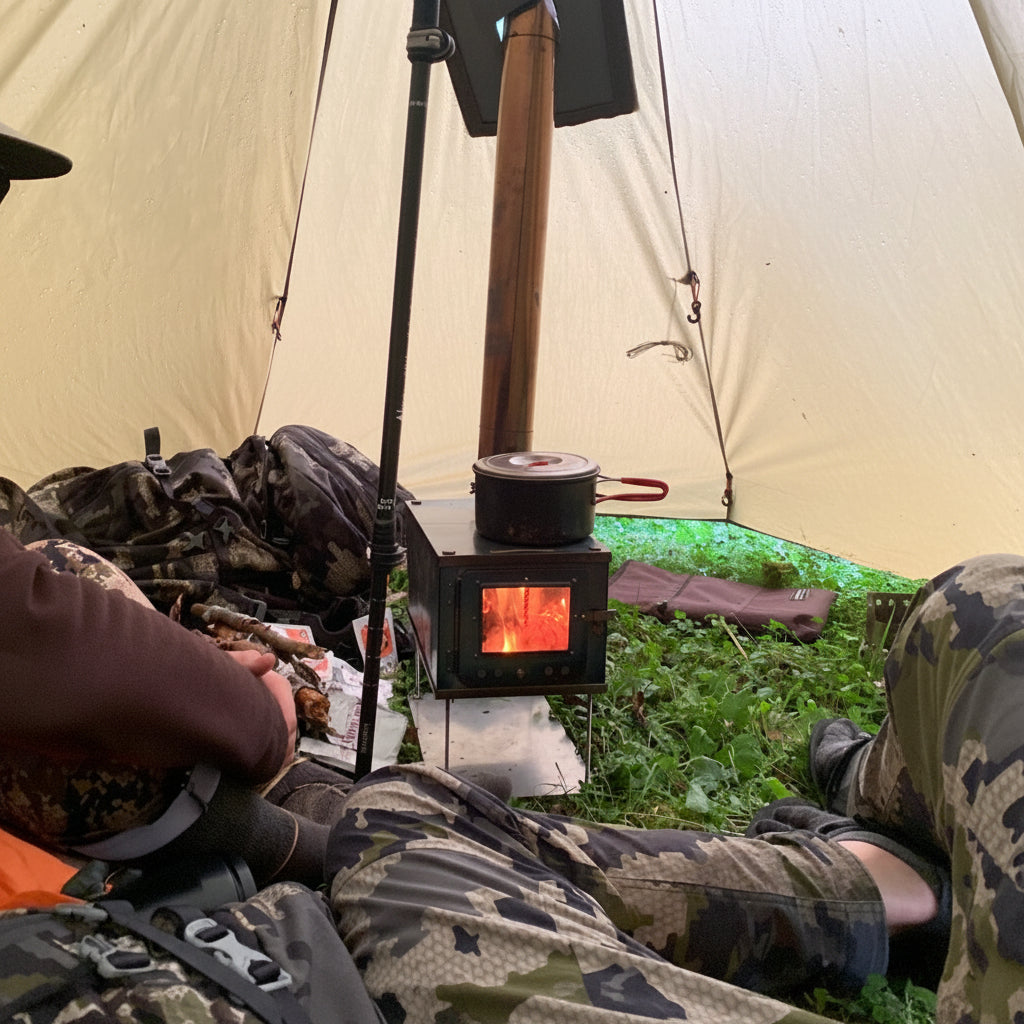
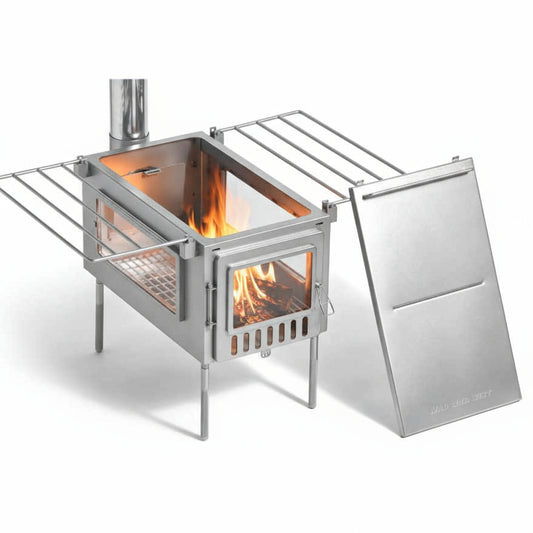
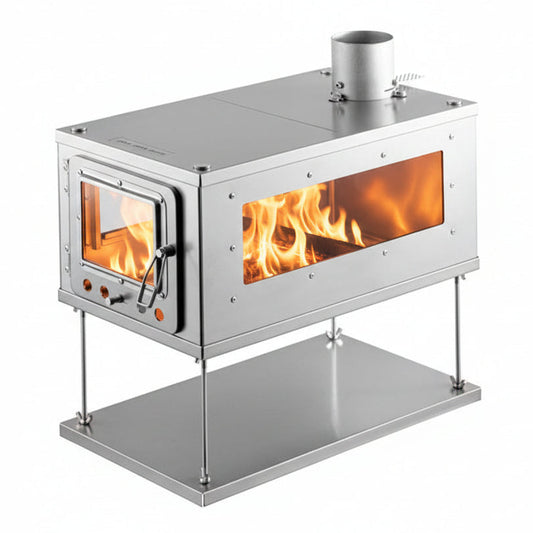
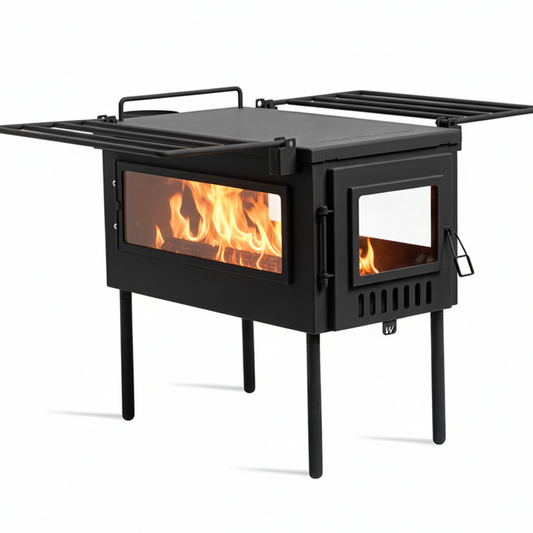
Choosing the perfect backpack hunting tent stove, focus on weight, packed size and packability. Prioritize ultralight titanium wood stoves (under 3 lbs) for deep backcountry hunting camps. Make sure your hot tent has a high-temperature stove jack, and the chimney pipe height appropriate for the shelter design.

Understanding Tent Stove Basics
A tent stove transforms a backpack hunting trip from uncomfortable to genuinely enjoyable. Unlike campfires, a quality stove lets you heat your shelter, dry gear, and cook meals safely inside your tent—critical when weather turns harsh. Before diving into specific models, understand what separates a reliable hunting stove from the rest: heat output, weight, fuel type, and how well it integrates with your tent setup.
Weight and Packability
Every ounce counts on a backpack hunt. Lightweight titanium or steel stoves typically weigh between 2–5 pounds, while chimney pipes and hardware add another 1–3 pounds (depends on pipe length and gage of metal). Calculate total system weight, not just the stove body. A stove that saves a pound but requires a heavier tent modification might not be the win it appears. Balance warmth needs against what you're willing to carry.
Fuel Type Considerations
Wood-burning stoves are the traditional choice for backcountry hunting—fuel is free and abundant. They require no canisters and work in remote areas where resupply isn't an option. Liquid fuel stoves (white gas or kerosene) offer consistent heat and faster cooking but demand careful handling and fuel transport. Propane stoves are convenient but heavy when accounting for fuel canisters. For extended hunts far from civilization, wood-burning remains the most practical option.
Tent Compatibility and Safety
Not every tent works with every stove. Hot tents are specifically designed with reinforced fabric, proper ventilation, and a stove jack (opening) for the chimney pipe. Installing a stove in a standard double wall tent may risk fire damage. Additionally, check that the stove's chimney system fits your tent's jack diameter and that you have adequate clearance from fabric walls—typically 12–18 inches depending on the stove design and firebox size.
Durability and Build Quality
Hunting stoves endure rough conditions: temperature swings, moisture, and transport stress. Look for heavy-gauge construction, welded seams, and grates. Stainless steel resists rust better but costs more. Read reviews from hunters who've used the stove in similar conditions to yours. A stove that fails mid-hunt is worse than no stove at all.
Installation and Maintenance
Some stoves require permanent tent modifications; others use temporary jack systems. Permanent installations are more secure but limit tent flexibility. Temporary systems are reversible but may shift during use. Factor in setup time—a stove that takes 20 minutes to install safely isn't practical for a quick camp. Also consider cleaning: wood-burning stoves accumulate ash and creosote, requiring regular maintenance to function safely.
Budget and Long-Term Value
Quality tent stoves range from $200 to $1,500+. A mid-range stove ($500–$800) typically offers the best balance of performance, durability, and weight. Think of it as a multi-year investment—a reliable stove used on five hunts costs far less per trip than replacing a failed unit or upgrading repeatedly. Deep dive into what grade and quality the metals are used in the stove design.
Making Your Final Choice
Start by defining your hunting style: solo or group hunts, typical season and climate, and how far you travel from resupply. Match a stove to those parameters, then verify tent compatibility. Test the stove at home in your tent before a major hunt if possible. The right tent stove becomes an essential part of your kit, extending your season and keeping you warm when it matters most.