How a Tent Wood Stove Works 2026
A tent wood stove is a compact heating solution designed to warm camping shelters and other enclosed outdoor spaces. Understanding how it works helps you use it safely and efficiently in the backcountry.

The Basic Design
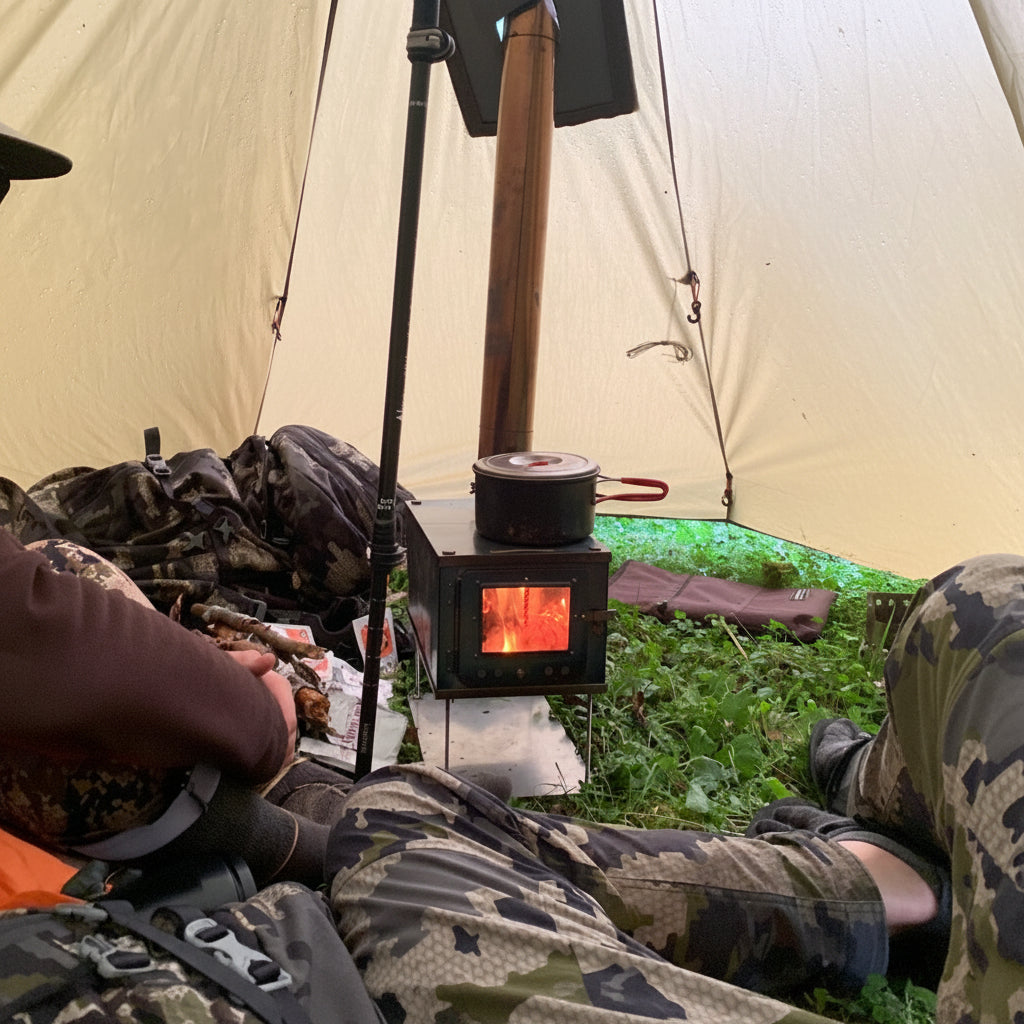
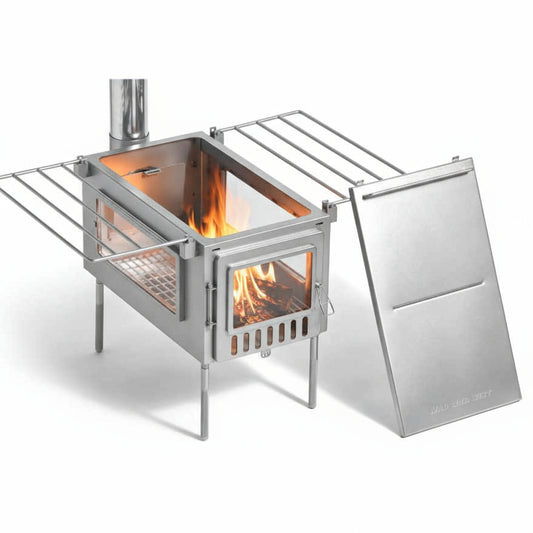
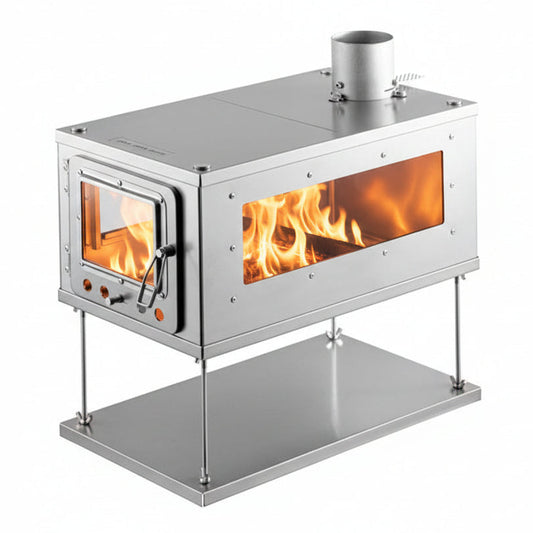
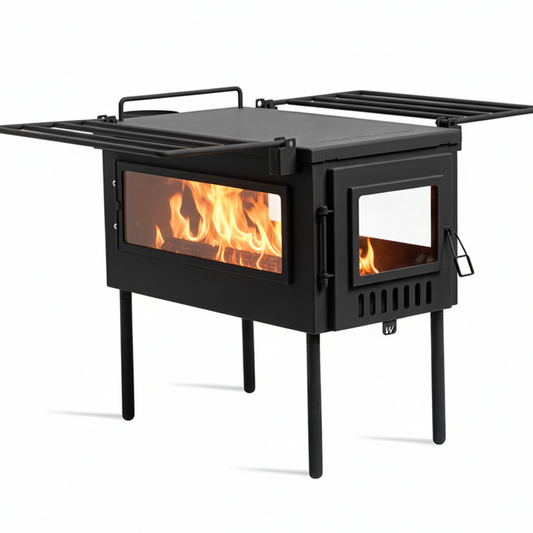
A tent wood stove consists of a metal firebox—typically made from steel or titanium—with a chimney pipe that vents smoke and gases outside your tent. The firebox sits on legs or a base to keep it elevated off the ground. Use a stove mat to protect your tent floor from heat damage. Most models feature a door for loading fuel and controlling airflow, along with adjustable vents or dampers that regulate the burn rate.
How Heat is Generated
When you light a fire inside the stove, the wood burns and releases thermal energy. The metal walls of the firebox absorb this heat and radiate it into your tent. The chimney pipe also radiates warmth as hot gases travel upward and exit through the roof. This combination of radiant heat from the stove body and the pipe creates a surprisingly effective heating system for even large canvas tents.
Airflow and Combustion
Proper airflow is essential for efficient burning. Air enters the stove through vents near the base of the firebox, where it mixes with wood gases and fuels the flame. The hot gases naturally rise and exit through the chimney, creating a draft that pulls fresh air into the stove. You control the intensity of this process by adjusting the air vents—opening them wider increases heat output, while closing them down slows the burn and extends fuel consumption.
Chimney Function
The chimney pipe serves multiple purposes. It safely channels smoke and combustion gases away from your living space and out through a stove jack. The pipe's length and angle affect draft quality; a longer pipe radiates more heat but requires stronger draft, while a shorter pipe is easier to manage but produces less radiant warmth. Most steel tent stoves use modular pipe sections that you can adjust based on your tent height and heating needs.
Safety Considerations
Tent wood stoves operate at high temperatures, so proper installation and clearance are critical. The stove must be positioned away from tent fabric and gear, and the chimney pipe requires adequate clearance from flammable materials. The important stove jack protects the tent fabric around the pipe opening. Regular inspection of seals and joints ensures no dangerous gases leak into your living space.
With proper setup and operation, a tent wood stove provides reliable, efficient warmth for winter camping and extended backcountry trips.