Drying Wet Gear with Tent Wood Stove while Camping Outdoors
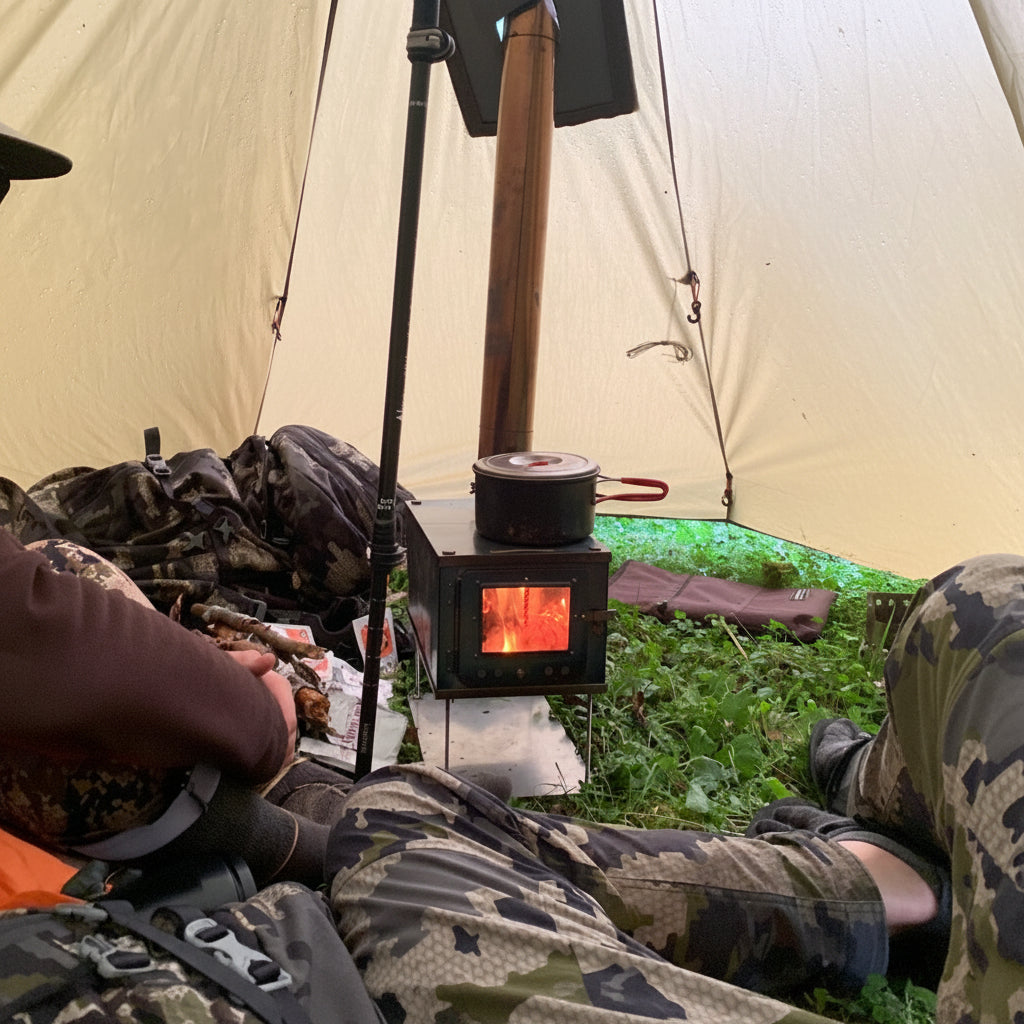
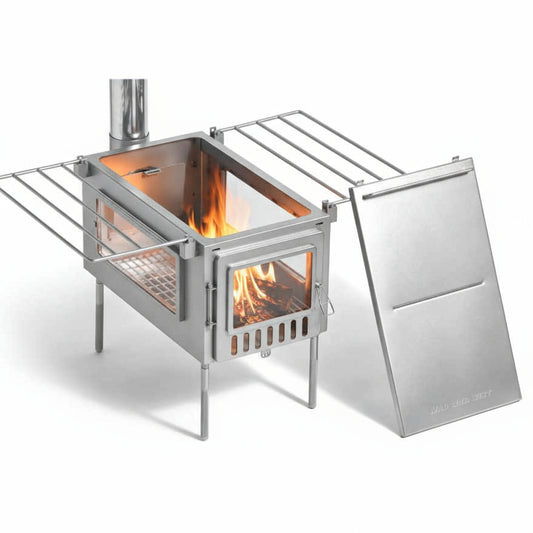
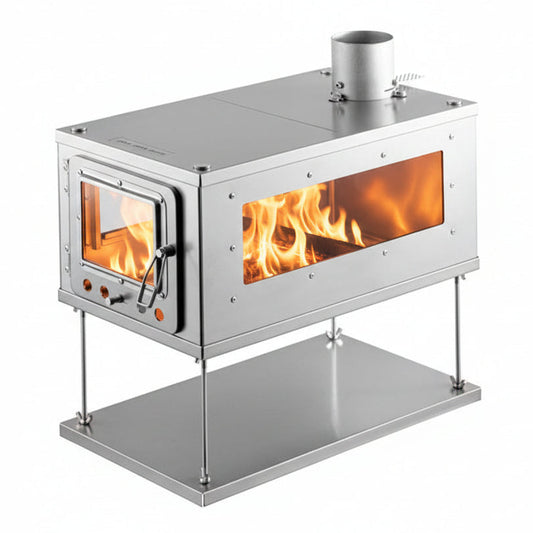
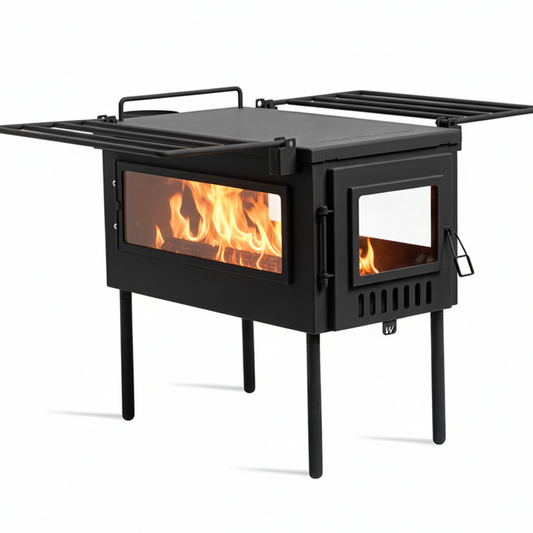
Wet gear during a camping trip is inevitable, but drying it properly ensures your equipment stays in top condition, so you can camp longer in the backcountry. A tent wood stove offers a unique advantage—controlled, gentle heat that won't damage fabrics, seals, or sensitive materials the way UV from direct sunlight can.

Why a Tent Wood Stove Works for Gear Drying
Unlike traditional indoor heating, a wood stove in your tent creates ambient warmth that circulates naturally. This low-intensity heat is ideal for delicate outdoor gear. It's warm enough to evaporate moisture without scorching synthetic fabrics, melting adhesive seams, or warping plastic components. The gentle airflow around the stove also helps prevent mildew and musty odors that can develop when gear sits damp in a closed space.
Setting Up Your Drying Station
Position your tent stove in the center of your tent (if possible) and arrange wet gear around it—but not directly against the heat source. Leave at least two to three feet of clearance to avoid overheating any single item. Hang lighter pieces like socks, gloves, and hats on a rope or line strung across the tent interior. Lay heavier items like sleeping bags, jackets, and pants on a clean tarp or mesh surface where air can circulate underneath.
Ensure your tent has adequate ventilation. Crack the door or open a vent to allow moisture-laden air to escape. Without proper airflow, you'll simply trap humidity inside, which defeats the purpose.
Drying Different Gear Types
Sleeping bags and insulated jackets: These take the longest to dry. Lay them flat or hang them loosely. Periodically flip or rotate them to ensure even drying. Avoid compressing them while wet, as this can damage insulation loft.
Boots and footwear: Remove insoles and dry them separately. Stuff boots loosely with newspaper or cloth to absorb moisture from the inside, changing the stuffing every few hours. Keep boots at a distance from direct heat to prevent leather from cracking or adhesives from failing.
Synthetic fabrics and rain gear: These dry quickly and can be hung directly. Check seams and zippers periodically to ensure water isn't pooling in crevices.
Wool and natural fibers: Lay these flat rather than hanging, as wet wool is heavy and can stretch out of shape. Wool naturally resists moisture and dries relatively quickly with gentle heat.
Safety Considerations
Never leave wet gear unattended directly near a hot stove. Keep flammable materials—especially synthetic fabrics—at a safe distance. Monitor the stove temperature and adjust your fire accordingly. A low, steady burn is better than intense heat for drying gear. Always ensure your tent has proper ventilation to prevent carbon monoxide buildup and to manage humidity effectively.
Timeline and Patience
Drying times vary depending on humidity, stove temperature, and gear thickness. Light items may dry in a few hours, while sleeping bags and heavy jackets might need overnight drying. Patience pays off—rushing the process with excessive heat risks permanent damage to your equipment.
With a tent wood stove and a bit of planning, you can dry your gear safely and thoroughly, keeping your outdoor equipment ready for the next adventure.