Essential Gear for Hot Tent Backpacking Outdoors
Getting Started with Hot Tent Backpacking
Hot tent backpacking combines the freedom of wilderness travel with the comfort of a heated shelter. Whether you're exploring alpine terrain in winter or seeking warmth during shoulder seasons, a hot tent setup transforms your backcountry experience. This guide covers the essentials to help you plan your first hot tent adventure.

What Is a Hot Tent?
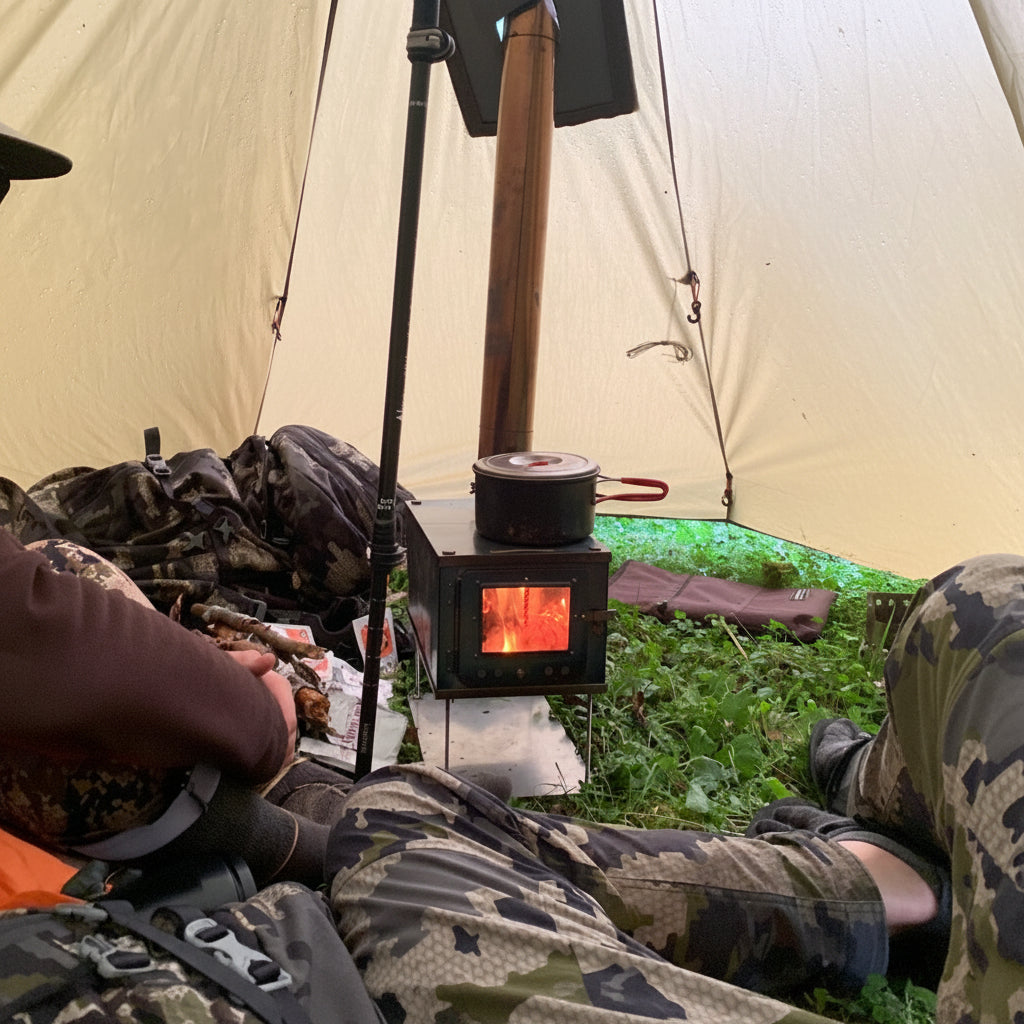
A hot tent is a canvas or fabric shelter designed to safely accommodate a wood stove. Unlike traditional tents, hot tents feature a stove jack—a reinforced opening that allows you to run a stovepipe through the roof while maintaining structural integrity and safety. The stove radiates heat throughout the interior, keeping you warm and comfortable even in freezing conditions.
Hot tents are typically larger than three-season tents, to make extra room for a wood stove and firewood. They're popular among winter campers, hunters, and adventurers who prioritize comfort and extended stays in remote locations.
Essential Gear for Hot Tent Backpacking
The Tent: Choose a hot tent sized appropriately for your group. Single-person models offer portability, while larger designs accommodate multiple people and gear. Look for durable well-designed stove jack for proper ventilation.
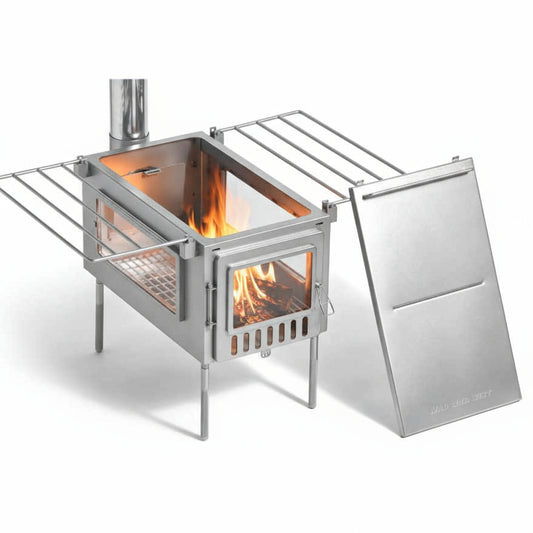
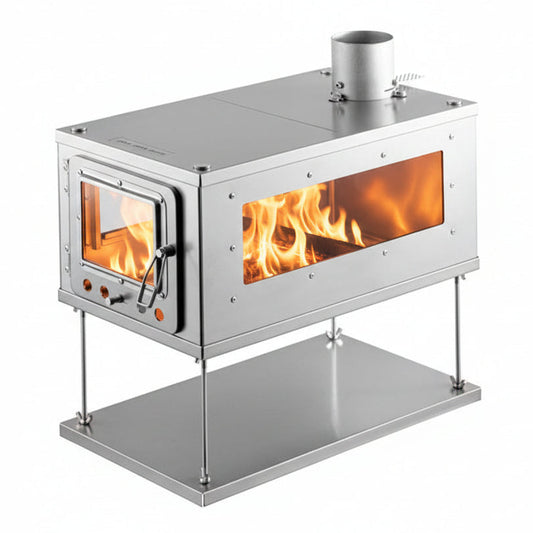
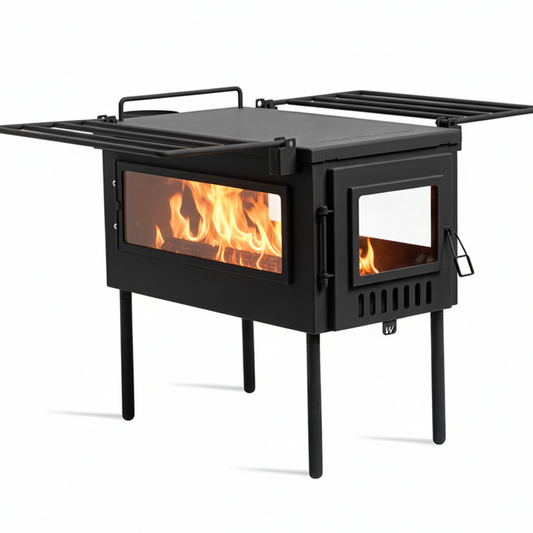
The Stove: Compact wood stoves designed for hot tents are lightweight and efficient. Select a model that fits your tent's stove jack and produces adequate heat for your climate. Ensure the stove includes a chimney pipe, damper, and spark arrestor for safety.
Fuel: Dry hardwood is ideal for hot tent stoves. Collect dead and downed wood at your campsite if local regulations permit. Avoid wet or green wood, which produces excessive smoke and creosote buildup.
Sleeping System: Even with a stove, invest in quality sleeping bags and insulated pads. A four-season bag rated for your expected temperatures ensures comfort if the stove goes out overnight. Insulated pads prevent heat loss to the ground.
Ventilation: Proper airflow prevents carbon monoxide buildup. Keep the tent door slightly open when the stove is running. Never seal your tent completely airtight when using a wood stove.
Groundsheet: Many hot tents are floorless shelters. This means you need a small piece of fabric to put your sleeping mat on to protect you from the bare ground. Campers often use bathtub floors, tyvek or a tent footprint to do the job.
Safety Considerations
Hot tent camping requires careful attention to fire safety and carbon monoxide prevention. Keep the stove at least three feet from tent walls and gear. Never leave a burning stove unattended, and consider fully extinguish fires before sleeping.
Ensure your stove pipe is properly assembled and secured. Check for gaps or loose connections that could leak smoke or sparks. Install a spark arrestor on the chimney to prevent embers from escaping onto the tent roof.
Carbon monoxide is odorless and deadly. Maintain adequate ventilation at all times, especially when sleeping. If you experience headaches, dizziness, or nausea, immediately exit the tent and seek fresh air.
Planning Your Trip
Choose a location with abundant dead wood and protection from wind. Established campsites or designated wilderness areas are ideal. Check local regulations—some areas restrict wood fires for hot tent camping.
Scout your campsite before dark. Clear the ground of rocks and debris, and create a level platform for your tent. Position the stove jack away from prevailing winds to improve draft and reduce smoke inside the tent.
Pack extra dry seasoned kindling for camping in wet climates. Bring fire-starting materials like matches or a lighter in waterproof containers. Keep these items in a watertight bag in the wet season.
Building and Managing Your Fire
Start with tinder—dry grass, bark, or paper—arranged in a loose bundle. Add kindling in a teepee formation, then light the tinder. Gradually add larger pieces of wood as the fire grows. Once established, maintain a steady flame by adding wood regularly.
Hardwoods like oak and maple burn longer and hotter than softwoods. Split wood burns faster than whole logs, so adjust your fuel size based on how long you want the fire to last. A well-managed fire provides consistent heat without excessive smoke.
Before bed, let the fire burn down to coals. Close the damper partially to slow combustion and extend burn time. Check the fire periodically during the night, but some choose to let it burn out completely before bed.
Troubleshooting Common Issues
Excessive Smoke: Wet wood, poor ventilation, or a blocked spark arrestor in the chimney causes smoke buildup. Use only dry wood, ensure the stove jack is clear, and check that your pipe isn't kinked or crushed.
Poor Heat: Insufficient airflow, a small fire, or inadequate insulation reduces warmth. Open vents slightly to improve draft, add more wood, there should be a thick base of coals in your stove.
Creosote Buildup: Burning wet wood or running a cool fire creates creosote inside the chimney. Use dry wood, maintain a hot fire, and clean your pipe regularly to prevent dangerous blockages.
Leave No Trace Principles
Disperse ash and unburned wood across your campsite before leaving. Pack out any non-burnable waste, and restore the campsite to its natural state. If you used rocks to set up your tent, scatter them back into the landscape.
Hot tent backpacking offers unmatched comfort in remote wilderness. With proper preparation, safety awareness, and respect for the environment, you'll create unforgettable experiences in some of the world's most beautiful places.