Evolution of the Floorless Tent to Sewn-in Floors for Camping
The evolution of tent design has been shaped by practical necessity, climate demands, and lessons learned in the field. One of the most significant shifts in mainstream tent engineering was the transition from floorless designs to tents with integrated floors—a change that transformed how modern adventurers camp and sleep outdoors.

The Era of Floorless Shelters
For centuries, outdoor shelters were intentionally floorless. Traditional tipis, yurts, and military tents relied on direct ground contact for stability and heat transfer. Early canvas wall tents used by mountaineers, hunters, and camping adventures operated the same way—the fabric walls met the earth with no barrier between sleeper and soil.
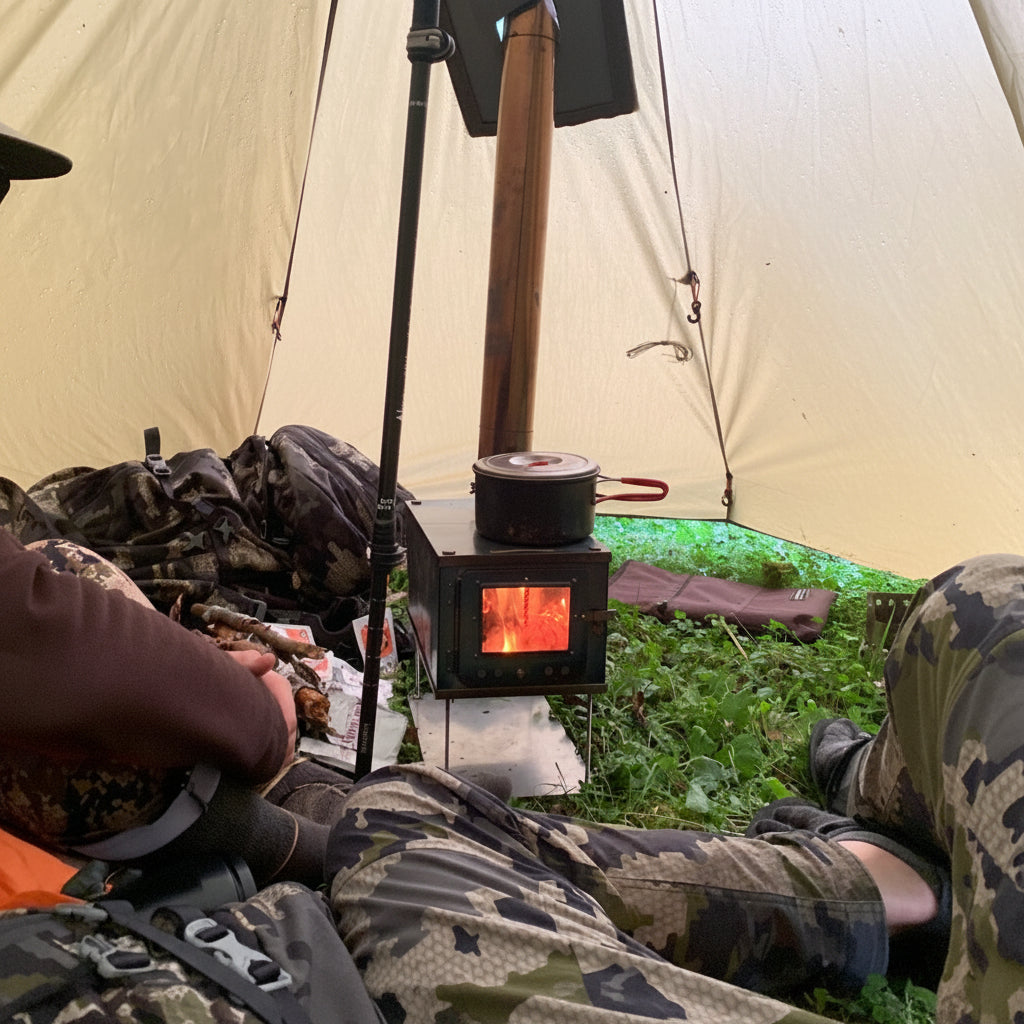
This design made sense for several reasons. A floorless tent was lighter to carry, easier to construct, and allowed smoke from a central fire to escape naturally with peaked designs. For cold-weather camping with a hot tent stove, the floorless design let heat radiate directly into the ground. Users simply laid pine boughs, blankets, or animal hides on the earth to create their insulated bed.
When and Why the Shift Happened
The introduction of manufactured tent floors gained momentum in the mid-20th century, driven by advances in lightweight synthetic fabrics and the rise of recreational backpacking. Nylon and polyester allowed manufacturers to create durable, waterproof floors that added minimal weight—a game-changer for summer hikers carrying gear on their backs.
Three factors accelerated the adoption of floored tents:
- Moisture management: A sealed floor compartmentalized ground moisture, dew, and water from seeping into sleeping bags and gear.
- Pest protection: Integrated floors created a physiological barrier against insects, snakes, and small rodents.
- Sense of insulation: A floor can reduce direct heat loss to cold ground, making tents seem warmer in alpine and winter conditions. However, ultralight groundsheets have the same affect.
By the 1970s and 1980s, floored backpacking tents became the industry standard, because companies can now sell more, at a higher price point. Manufacturers like The North Face and REI began shipping dome and geodesic designs with integrated floors as the default. Now there are thousands of different designs manufactured are rock bottom prices because of this market trend.
The Floorless Renaissance in Backcountry Camping
Interestingly, floorless designs never disappeared—they experienced a resurgence among ultralight backpackers, hunters and hot tent enthusiasts in the 2000s. Floorless shelters remain popular today because they're lighter, less bulky, more versatile for varying terrain, and compatible with wood-burning stoves. Winter campers and mountaineers often prefer them for the superior ventilation, less firewood and snow mess, and direct ground-to-stove heat transfer that integrated floors can compromise.
Today, both approaches coexist. Summer backpackers favor floored tents for bug and weather protection, while serious winter campers, hunters and off-trail adventurers choose floorless designs for their time-proven advantages in extreme conditions.