Fly Fishing with Hot Tent and Wood Stove
There's something magical about combining two of the most rewarding outdoor pursuits: fly fishing and backcountry camping. When you add a hot tent and wood stove to the equation, you've created the ultimate cold-weather adventure setup. Whether you're chasing trout in alpine streams or exploring remote river valleys, a heated shelter transforms your experience from survival mode into genuine comfort and enjoyment.

Why Hot Tents Change the Game for Fly Fishers
Traditional camping forces a choice: stay warm in your sleeping bag or venture out into the cold to fish. A hot tent eliminates that compromise. With a wood stove radiating heat throughout your shelter, you can fish all day, return to a warm base camp, and actually enjoy your evening instead of shivering through it. This means longer fishing days, better decision-making on the water, and the ability to fish during prime early morning and evening hours when the fish are most active.
The psychological benefit matters too. Knowing you have genuine warmth waiting at camp removes the mental fatigue of cold-weather camping. You fish with more focus, take more risks, and stay out longer because you're not dreading the return to a frigid tent.
Setting Up Your Hot Tent Base Camp
Location is everything. Scout your fishing destination before the trip and identify a flat, sheltered spot near the water but elevated enough to avoid flooding. Look for natural windbreaks like tree lines or rock formations. Your hot tent should be positioned to catch morning sun and provide easy access to water for cooking and cleaning.
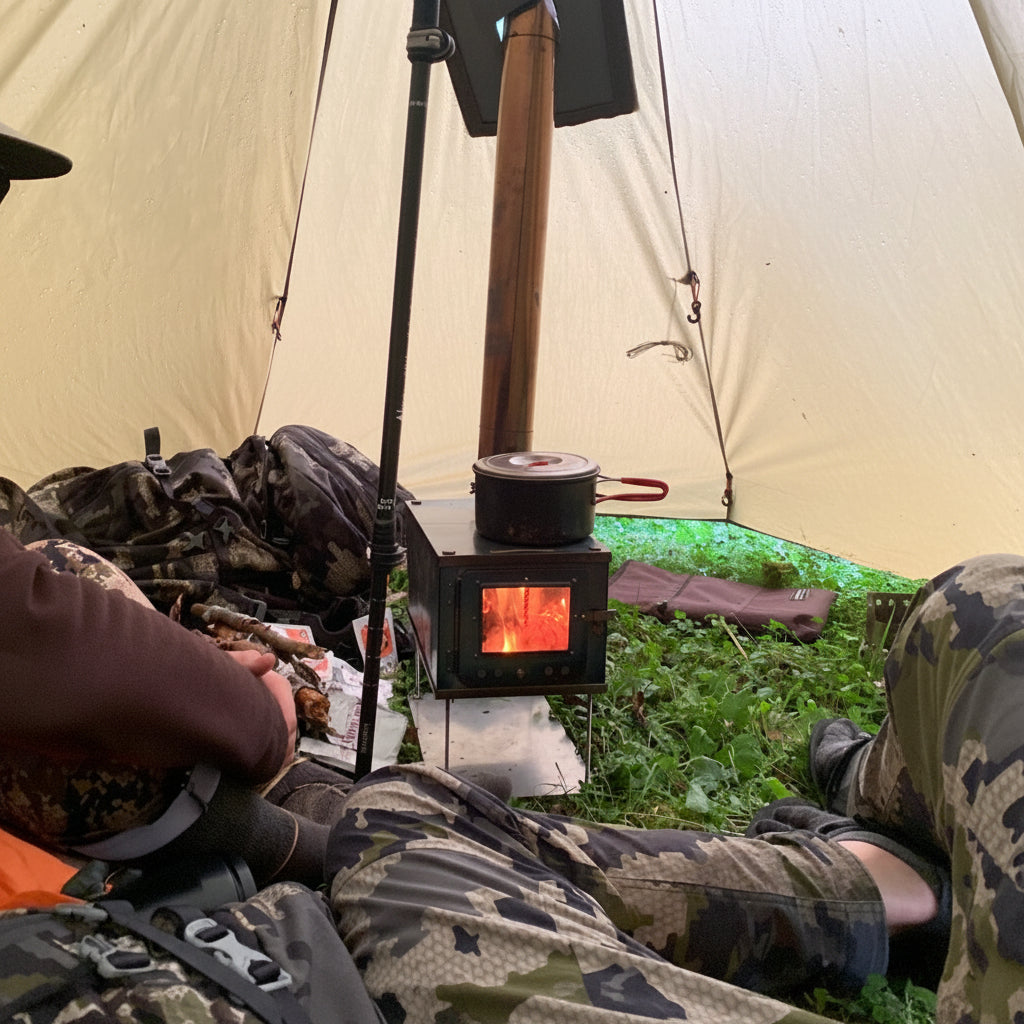
A quality wood stove requires proper ventilation. Ensure your tent has a compatible stove jack and that your chimney pipe extends safely above the tent peak. Keep your firewood dry as possible inside the tent—wet wood creates excessive smoke and reduces heat output. Hardwoods like oak and maple burn longer and hotter than softwoods, making them ideal for extended trips.
Inside the tent, create distinct zones: sleeping area away from the stove, cooking and prep space near the entrance, and a gear drying station. This organization prevents accidents and maximizes the stove's heating efficiency.
Maximizing Your Fishing Success
A hot tent base camp allows you to fish strategically rather than frantically. Start your day with a warm breakfast and hot coffee, then head to the water during prime feeding times. Mid-day, return to camp for a hot lunch and to dry out gear. This rhythm keeps you fresh and focused.
Use your evening time productively. Study the water, tie new flies, review your notes on what worked, and plan tomorrow's approach. A warm, comfortable camp becomes your tactical headquarters rather than just a place to sleep.
Pack versatile fly selections and don't hesitate to experiment. The comfort of your hot tent means you can take calculated risks on the water without the pressure of needing immediate success to justify the discomfort.
Cooking on the Stovetop
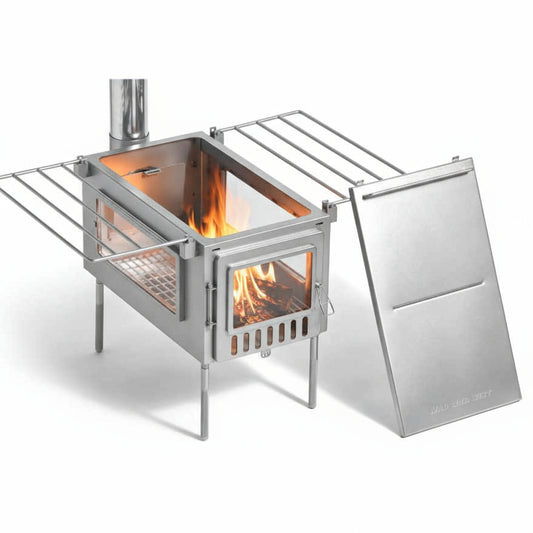
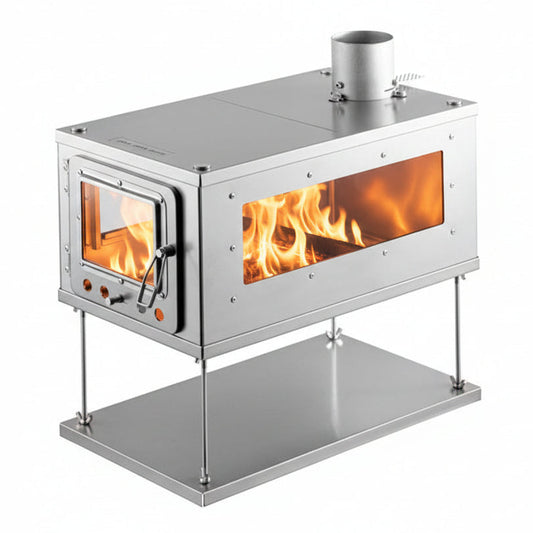
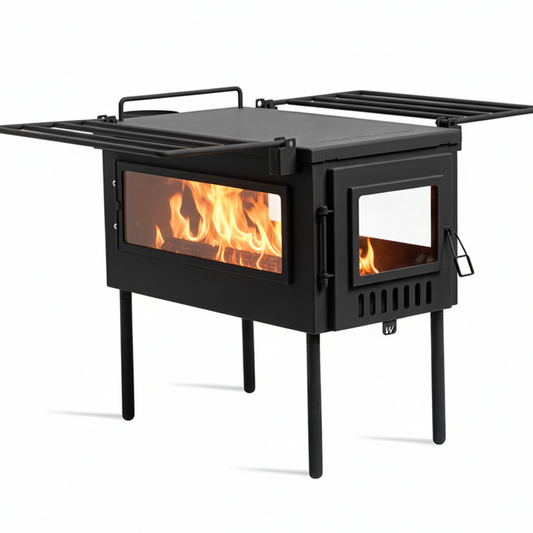
Your wood stove isn't just for heat—it's a fully functional cooking platform that transforms camp meals from basic to genuinely satisfying. The flat top surface provides consistent, controllable heat perfect for everything from morning pancakes to evening stews. Unlike campfire cooking, a wood stove lets you manage temperature precisely by adjusting airflow and fire intensity.
Cast iron cookware is your best friend here. A quality skillet or Dutch oven distributes heat evenly and develops a natural non-stick seasoning over time. Bring a few essential pieces: a large skillet for breakfast and sautéing, a pot for boiling water and soups, and a kettle for hot drinks. The stove's radiant heat means you can keep food warm on the back while actively cooking on the front.
Plan meals that work with your stove's capabilities. One-pot dishes like chili, pasta, and rice-based meals are efficient and minimize cleanup. Fresh ingredients stay fresher longer in cool mountain air, so pack vegetables and proteins that don't require refrigeration. Coffee and tea become ritual moments—the time it takes water to boil gives you a natural pause to reflect on the day's fishing and plan tomorrow's strategy.
Keep your cooking area organized and safe. Store cookware and utensils in a dedicated spot away from the stove's heat. Use long-handled utensils to maintain distance from the hot surface, and always use pot holders or gloves. A small cutting board and sharp knife make food prep efficient, and a damp cloth nearby helps with quick cleanups that prevent grease buildup.
The combination of fresh mountain air, successful fishing, and warm food cooked over your own stove creates a completeness to the experience that no restaurant can match. These meals become part of the adventure itself.
Safety and Best Practices
Carbon monoxide is a serious concern with any enclosed stove. Ensure adequate ventilation at all times, even when it's cold. Never seal your tent completely—maintain proper airflow. Consider a battery-powered CO detector as essential safety equipment.
Keep flammable materials at least three feet from your stove. This includes sleeping bags, clothing, and tent walls. Use a heat-resistant mat to protect the tent floor. Consider fully extinguish your fire before sleeping, and never leave a burning stove unattended.
Establish a water source away from your fishing area to avoid contamination. Boil or filter all drinking water, and pack out all waste to leave your fishing spot pristine for future visitors.
The Unforgettable Experience
Fly fishing from a hot tent base camp creates memories that stick with you. There's the comfort of returning to warmth after a day on cold water, the satisfaction of a successful day's fishing, and the peace of an evening spent in a cozy shelter listening to the river. You're not just catching fish—you're experiencing the backcountry on your own terms, with the comfort and safety that allows you to truly enjoy it.
This setup works for solo adventurers and groups alike. Whether you're pursuing a personal fishing goal or sharing the experience with friends, a hot tent and wood stove elevate the entire journey from a test of endurance into a genuine outdoor adventure.