Wood Stoves vs Campfires Means Greater Leave No Trace Principles
When you're planning your next camping trip, the choice between a wood stove and a traditional campfire might seem straightforward—but it has real implications for the wilderness you love. Understanding Leave No Trace principles can help you make the decision that minimizes your environmental impact while keeping you warm and fed in the backcountry.

What Are Leave No Trace Principles?
Leave No Trace is a set of seven outdoor ethics principles designed to help recreationalists minimize their impact on natural environments. The core idea is simple: leave places as you found them, so others can enjoy them too. When it comes to cooking and heating in the wilderness, this philosophy directly influences whether you should use a wood stove or build a campfire.
The Campfire Impact
Traditional campfires have been a staple of outdoor recreation for generations, but they come with significant environmental costs. Gathering firewood depletes dead wood that provides habitat for insects, fungi, and small animals. Repeated campfire use in popular areas can strip landscapes of available fuel, damage soil structure, and leave visible scars that take years to recover.
Campfires also consume more wood than most people realize. A single evening fire might use 10–20 pounds of wood, and in high-traffic areas, this adds up quickly. Additionally, ash and charcoal residue can alter soil chemistry and persist long after you've left camp.
Campfire Sparks vs Wood Stove Spark Arrestors
One often-overlooked aspect of the campfire versus wood stove debate is fire safety and spark management. Traditional campfires produce sparks that drift unpredictably into the surrounding area—a serious concern in dry conditions or near tents and gear. These airborne embers can travel considerable distances, especially on windy nights, creating a genuine risk of unintended ignition.
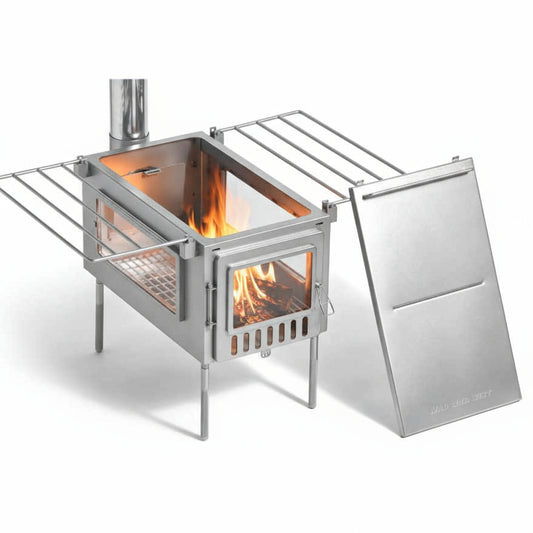
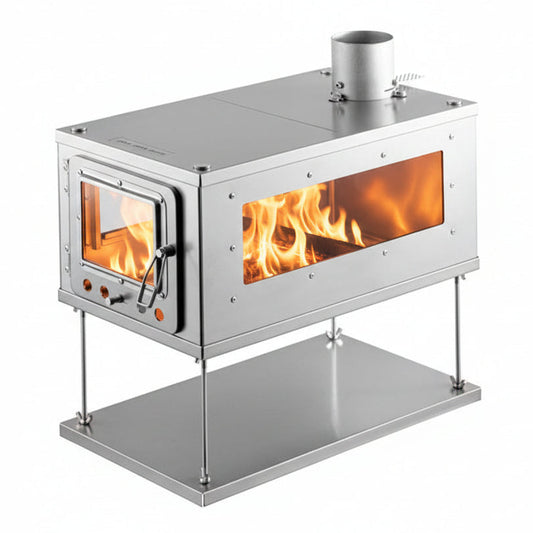
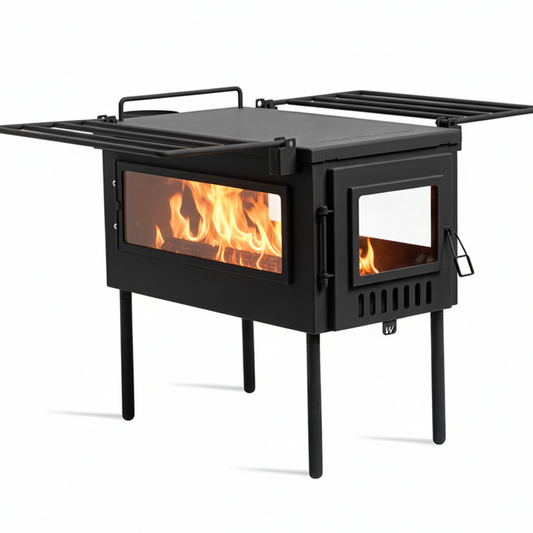
Modern wood stoves address this hazard through engineered spark arrestors—metal mesh or baffle systems built into the chimney that capture and cool sparks before they exit the stove. This containment means you can cook and heat with confidence, knowing that embers are being managed safely within the stove itself. The spark arrestor also improves combustion efficiency by forcing hot gases to linger longer in the firebox, extracting more heat from less wood.
For backcountry users, this safety feature is invaluable. It allows you to operate your stove closer to your tent without worry, reduces the risk of igniting nearby vegetation during fire-prone seasons, and gives you better control over your campsite environment. In areas where fire danger is elevated, a spark arrestor-equipped stove may be the difference between a safe, compliant camp and one that violates local fire restrictions.
When evaluating a wood stove for your setup, verify that it includes a quality spark arrestor and understand how to maintain it. Mesh can clog with creosote buildup over time, so periodic cleaning ensures the arrestor continues to function effectively. This simple maintenance step keeps your stove performing at peak efficiency while maintaining the safety margin that makes wood stoves a responsible choice for Leave No Trace camping.
Wood Stoves and Leave No Trace
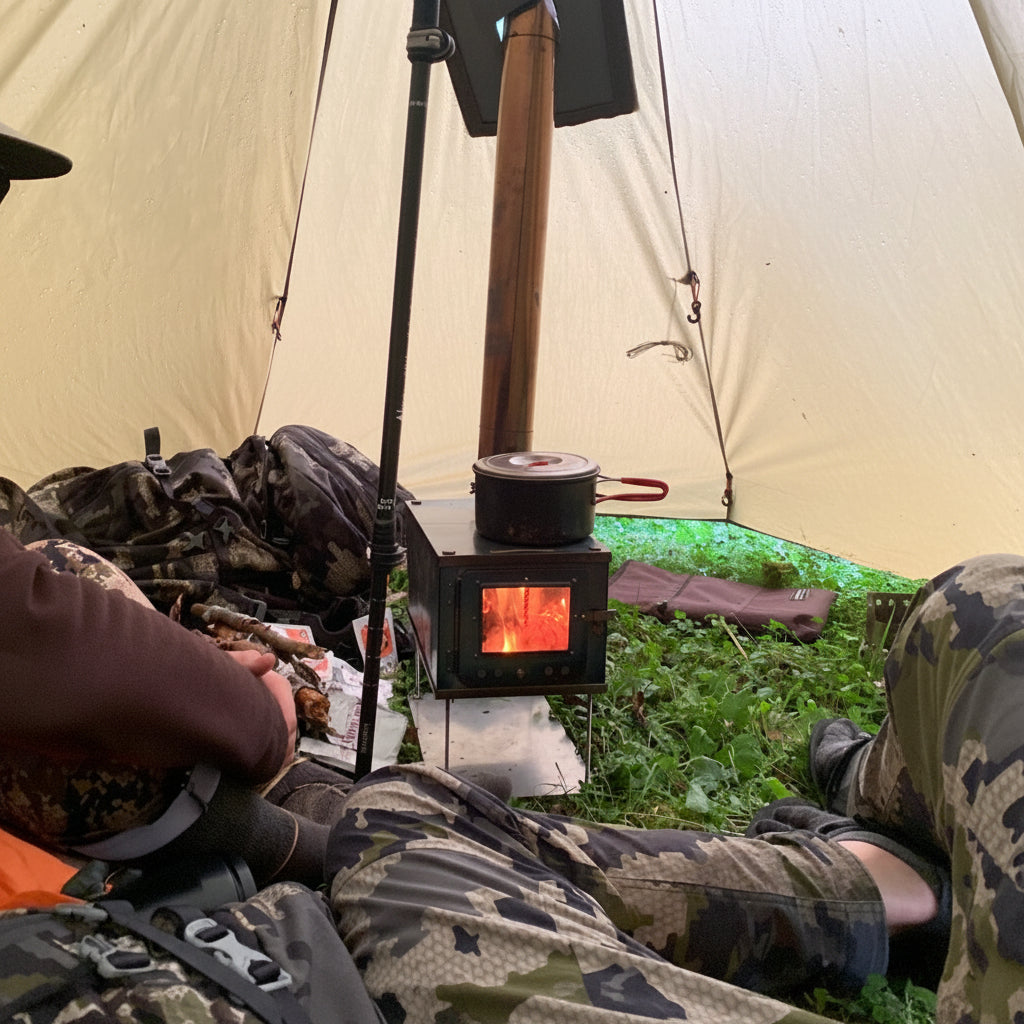
A quality wood stove offers a more Leave No Trace–friendly alternative. Because stoves are engineered for efficiency, they require significantly less fuel—often 50–70% less wood than an open fire—to produce the same heat and cooking capability. This reduced consumption means less impact on the surrounding forest.
Stoves also contain ash and embers, preventing them from scattering across the landscape. When you're ready to leave, you can choose to pack out your ash in a small container, leaving no trace of your presence. The concentrated heat also means faster cooking times and more reliable temperature control, reducing the time you spend tending to your fire.
Responsible Wood Gathering
If you do use a wood stove, responsible fuel sourcing matters. Collect only dead and downed wood—never cut live trees or strip bark. Look for branches that snap cleanly and are already separated from the forest floor. In some wilderness areas, wood gathering is restricted entirely; always check local regulations before your trip.
Smaller diameter wood is ideal for stoves and requires less processing. Avoid gathering wood from riparian zones (areas near water), where dead wood plays a critical role in stream health and erosion control.
When Campfires Make Sense
There are situations where a campfire is appropriate and even encouraged. In some heavily used areas, designated fire rings concentrate impact and prevent the spread of fire scars. In these locations, using the established ring is actually the Leave No Trace choice. Always check if fires are permitted and whether designated rings exist at your campsite.
In remote, low-traffic wilderness areas where few people visit, the impact of a single fire is negligible—but the cumulative effect of many fires is not. Consider whether a stove might be the better choice for your specific location.
The Bigger Picture
Choosing a wood stove over a campfire is one of many ways to practice Leave No Trace principles. It demonstrates respect for the landscape, reduces your resource consumption, and sets an example for other outdoor enthusiasts. Combined with other practices—like camping on durable surfaces, packing out all waste, and respecting wildlife—a wood stove becomes part of a comprehensive approach to sustainable backcountry travel.
The wilderness doesn't ask much of us. By making thoughtful choices about how we cook and stay warm, we ensure that the places we love remain pristine for generations to come.