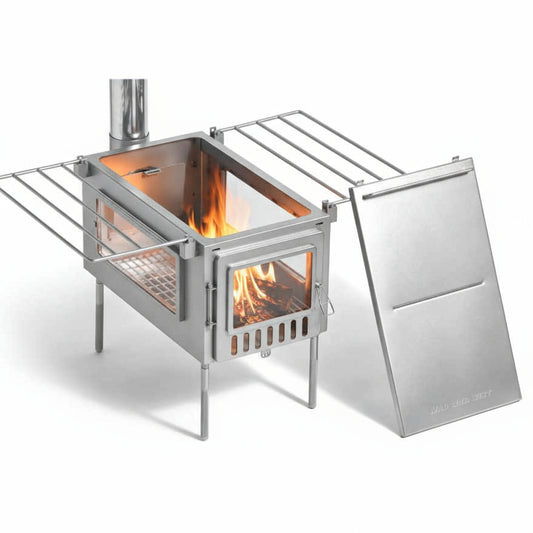
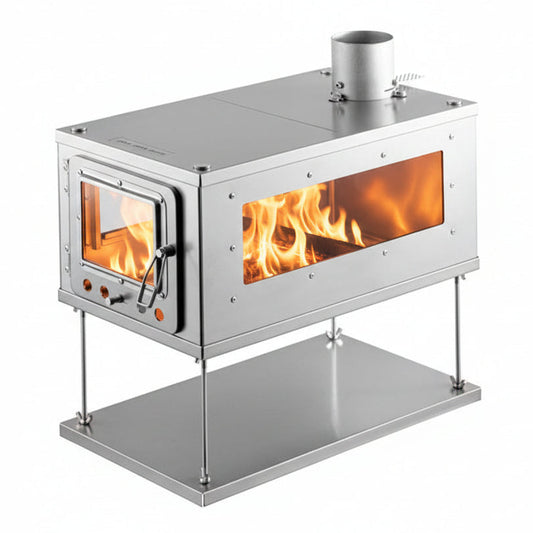
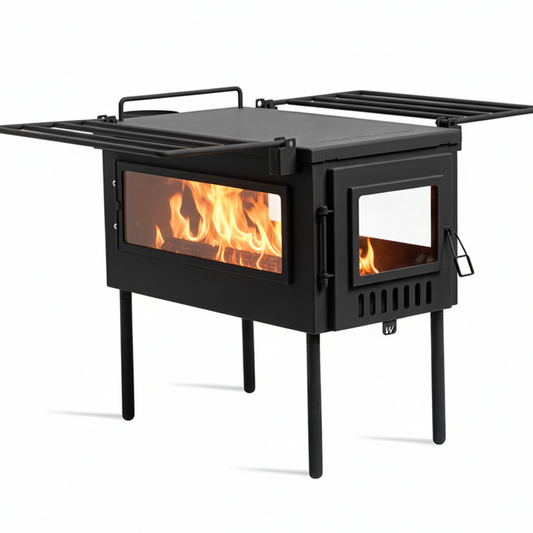
Hidden Costs of Cheap Tent Wood Stoves
When shopping for a wood stove to heat your tent, the price tag often feels like the most important factor. A budget-friendly stove might seem like a smart financial move, but cheap tent wood stoves frequently come with hidden costs that can quickly erase any savings—and compromise your camping experience.

Poor Heat Efficiency and Wasted Fuel
Low-cost wood stoves are typically built with thin metal and minimal insulation, which means they lose heat rapidly through their walls and chimney. This forces you to burn significantly more wood to maintain comfortable temperatures inside your tent. Over a season of camping trips, the extra firewood you'll need to purchase or gather can easily exceed the initial savings from buying a cheaper stove. Premium stoves are engineered to retain and radiate heat more effectively, reducing fuel consumption and keeping your costs down long-term.
Titanium Warping and Material Degradation
Some budget manufacturers use thin, low-quality titanium as a cost-cutting measure, marketing it as a lightweight premium material. In reality, thin titanium lacks the structural rigidity needed to withstand repeated heating and cooling cycles. These stoves are prone to warping, especially around the firebox and door frame, which compromises the seal and allows smoke to leak into your tent. Warped stoves also become difficult or impossible to disassemble for transport and storage. Quality stoves use appropriate material thickness and composition—whether steel, titanium, or other metals—engineered to resist deformation and maintain their integrity season after season.
Durability and Replacement Costs
Budget stoves often use lower-grade steel and poor welding techniques, making them prone to rust, warping, and structural failure. A stove that deteriorates after one or two seasons means you'll be replacing it sooner than expected. Quality stoves are built to last for years with proper maintenance, making them a far better investment. When you factor in the cost of replacing a cheap stove multiple times, a premium option becomes the economical choice.
Safety Risks and Liability
Inexpensive wood stoves may lack proper ventilation design, inadequate door seals, or unstable legs. These defects increase the risk of carbon monoxide buildup, tent fires, or accidental tipping. A stove-related accident could result in injury, property damage, or liability issues—costs that dwarf the price difference between a budget and quality stove. Investing in a well-designed, tested stove protects both your safety and your peace of mind.
Poor Craftsmanship and Fit Issues
Cheap stoves often have rough edges, misaligned components, and loose fittings that make assembly frustrating and operation unreliable. Gaps in seams allow heat and smoke to escape unpredictably. Premium stoves feature precision manufacturing, tight tolerances, and thoughtful design that makes setup straightforward and performance consistent.
Limited Warranty and Support
Budget manufacturers typically offer minimal warranties and little customer support. If something goes wrong, you're on your own. Quality stove makers stand behind their products with comprehensive warranties and responsive support, adding real value beyond the initial purchase.
The true cost of a cheap tent wood stove extends far beyond its initial price. When you account for excess fuel consumption, frequent replacements, safety risks, and frustration, a premium stove becomes the smarter financial and practical choice for serious campers.
Verify Material Specifications Before Purchasing
One of the easiest ways budget stove manufacturers mislead customers is through vague or exaggerated material claims. A listing might say "titanium construction" without specifying thickness, grade, or whether titanium is used for the entire stove or just select components. Similarly, "steel" can range from high-quality stainless steel to low-carbon mild steel that rusts easily. Before committing to a purchase, request detailed specifications to the companies customer service team, including material grade, thickness measurements, and which parts use which materials. Ask the manufacturer for third-party testing results or certifications. Reputable stove makers provide transparent material documentation and are happy to answer technical questions. If a seller is evasive about specifications or can't provide detailed information, that's a red flag that corners are being cut. Taking time to verify materials upfront can save you from discovering hidden quality issues after your purchase arrives.