How Long a Tent Wood Stove Burns with One Load of Firewood
How Long Will a Tent Wood Stove Burn on One Load of Firewood?
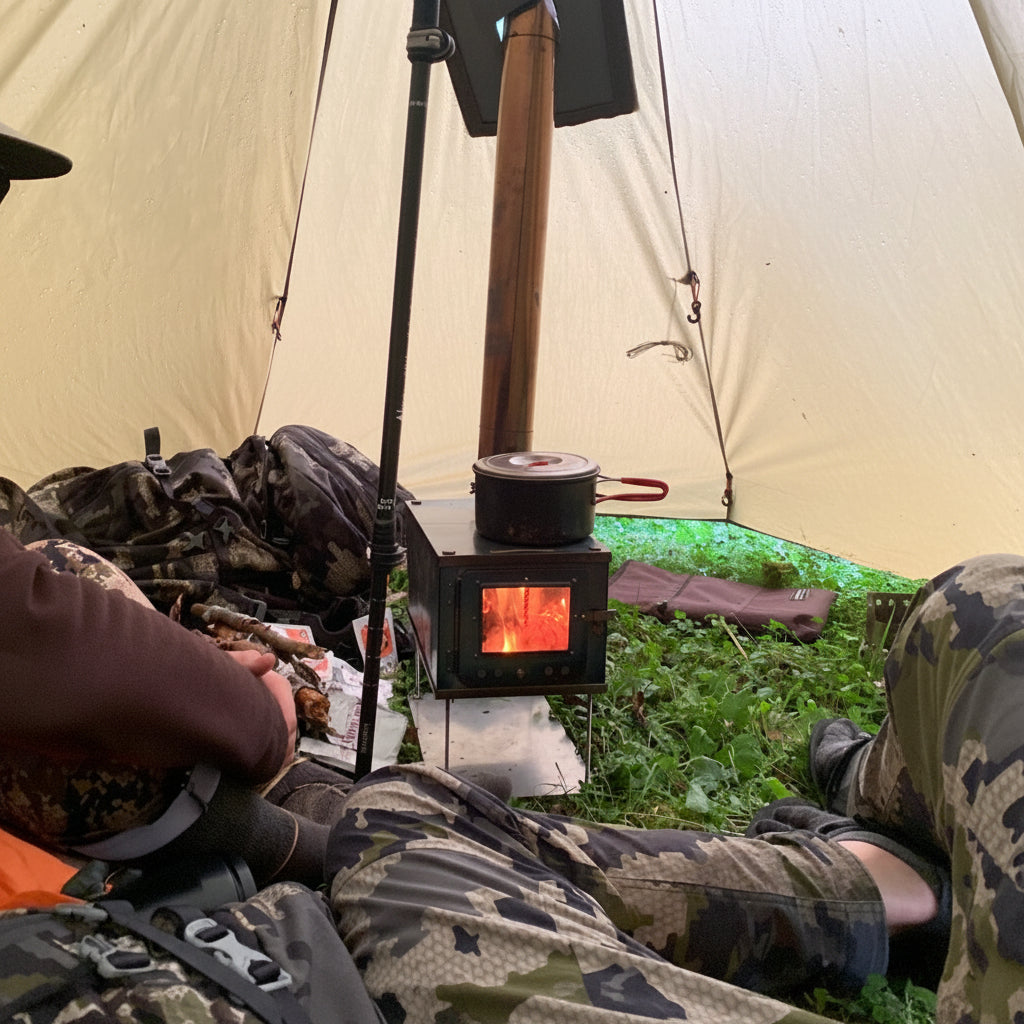
One of the most common questions we hear from tent campers and backcountry enthusiasts is: how long will my wood stove actually burn? The answer depends on several factors, but understanding what influences burn time can help you plan better trips and manage your firewood supply more effectively.

Factors That Affect Burn Duration
Burn time isn't one-size-fits-all. The length of time your tent stove runs on a single load of wood depends on wood type, moisture content, stove design, and how you load and skill-set of operate it.
Wood Type and Density plays a major role. Hardwoods like oak, maple, and ash burn longer and hotter than softwoods like pine or spruce. If you're serious about extended burn times, prioritize hardwoods whenever possible. Softwoods ignite faster but consume quickly, making them better for quick heat bursts rather than sustained warmth.
Moisture Content is critical. Wet or green wood wastes energy on evaporation instead of producing heat, and it burns faster with less output. Properly seasoned firewood—dried for at least six months to a year—will give you significantly longer burn times and better heat. Aim for wood with moisture content below 20% for optimal performance.
Load Size and Packing matter too. A tightly packed load with larger pieces will burn longer than loosely arranged small pieces. Larger logs have more mass to consume and create better coals for sustained burning. However, don't pack so tightly that airflow is restricted—your stove needs oxygen to burn efficiently.
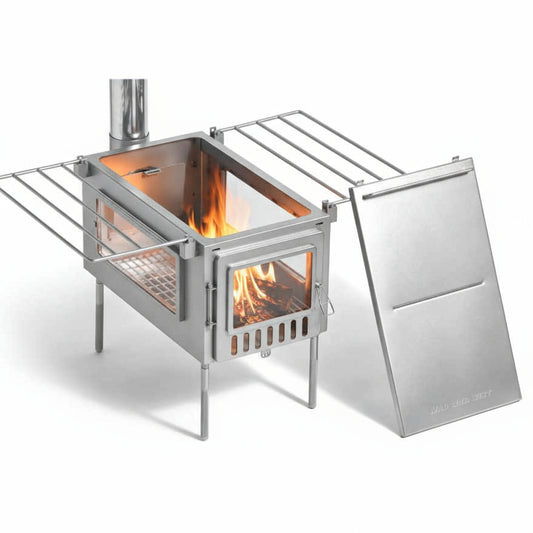
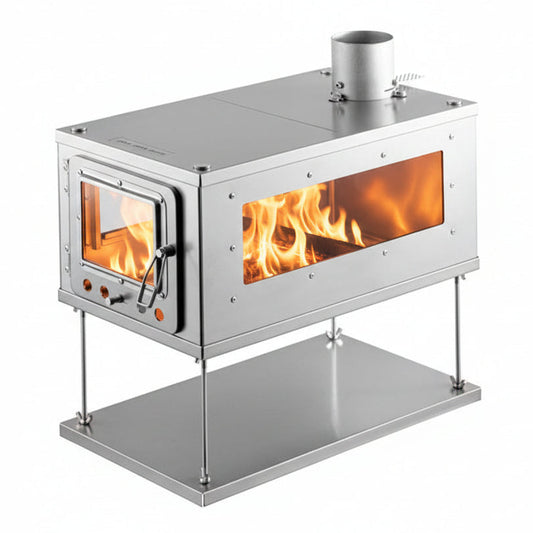
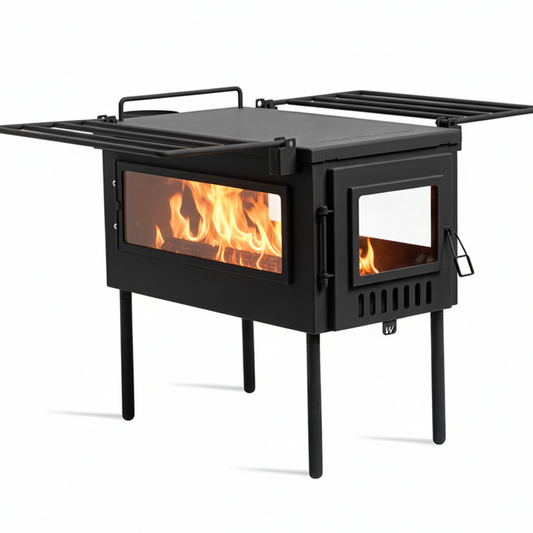
Stove Design and Airflow Control influence how quickly wood burns. Modern tent stoves with adjustable dampers or air vents let you control the burn rate. Closing vents slightly slows combustion and extends burn time, while opening them increases heat output but consumes wood faster. Learning to dial in your stove's airflow is key to maximizing each load.
Typical Burn Times
With optimal conditions—seasoned hardwood, proper loading, and controlled airflow—most quality tent wood stoves will burn for 1 to 5 hours on a single load. Some premium stoves with excellent insulation and airflow control can stretch this to 6 hours or more, while smaller loads or less efficient setups might only provide 1 to 2 hours of heat.
For overnight camping, many users load their stove before bed with banked coals, and find it still has coals in the morning, though the heat output will have diminished significantly after the first few hours.
Tips to Maximize Burn Time
Use seasoned hardwood whenever possible. Split wood into medium-sized pieces—roughly 3 to 4 inches in diameter—for the best balance of burn time and airflow.
Pack your load strategically. Place larger pieces on the bottom, arrange them to allow air circulation, and fill gaps with smaller pieces. This creates a more stable, longer-lasting burn.
Adjust your damper or air vents based on your needs. For sustained, low heat, partially close the air inlet. For quick warmth, open it fully. Experiment to find the sweet spot for your tent and conditions.
Preheat your stove with kindling and smaller pieces before adding your main load. A hot stove ignites larger logs more efficiently and gets the burn going strong.
Keep extra firewood dry. Store it in a waterproof bag or under a tarp so you always have seasoned wood ready. Damp wood will significantly reduce your burn time and heat output.
Plan Your Firewood Supply
For multi-day trips, calculate how many loads you'll need based on expected burn times and your heating needs. If you're in cold conditions and want heat throughout the night, plan for multiple loads. In milder weather, one or two loads might be sufficient for evening warmth and cooking.
Remember that burn time decreases as temperatures drop and your stove works harder to heat a larger space. Cold nights demand more frequent reloading than mild evenings.
Understanding these variables takes the guesswork out of tent stove camping and helps you pack smarter, stay warmer, and enjoy your backcountry experience with confidence.