How Many Square Feet Does a Tent Wood Stove Heat?
How Many Square Feet Does a Tent Wood Stove Heat?
One of the most common questions we hear from outdoor enthusiasts is about heating capacity. If you're planning a winter camping trip or setting up a semi-permanent camp, understanding how much space your tent wood stove can effectively warm is essential for comfort and safety.

Heating Capacity Varies by Stove Size
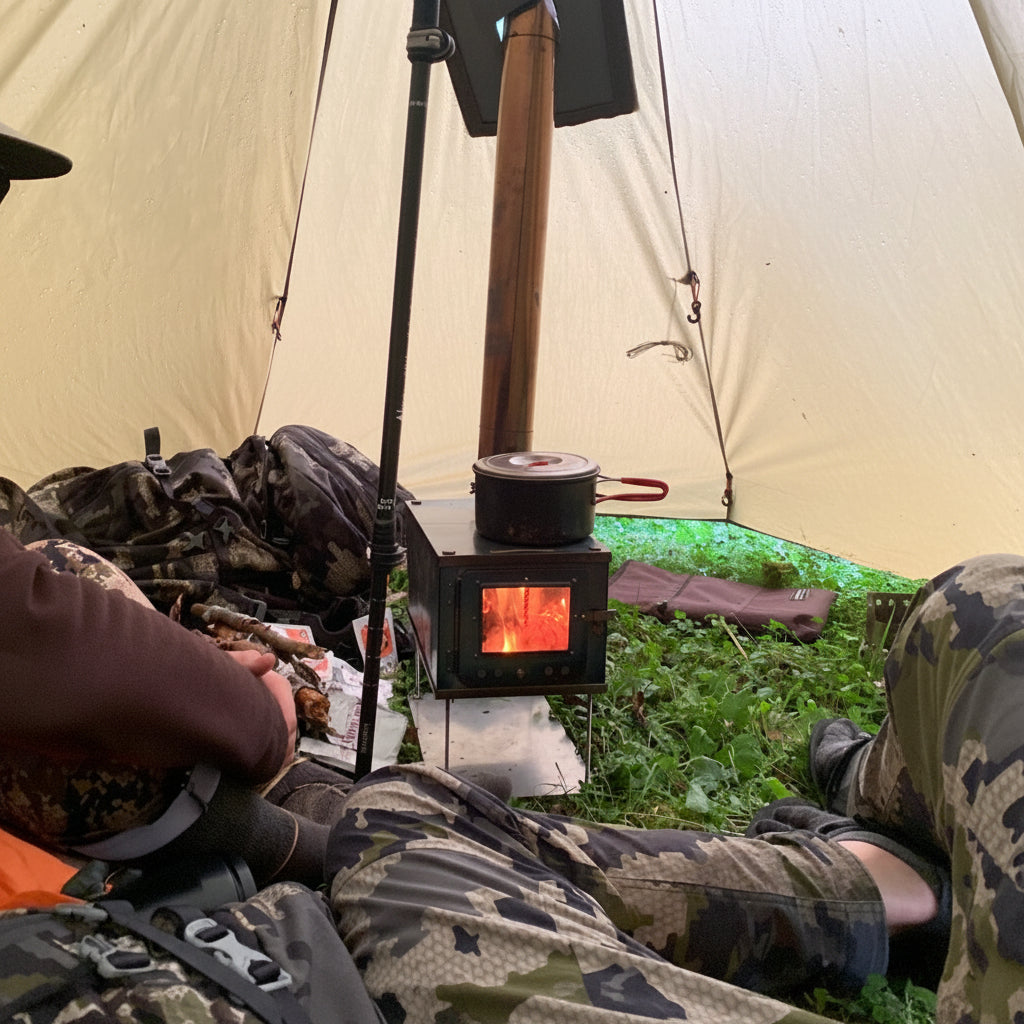
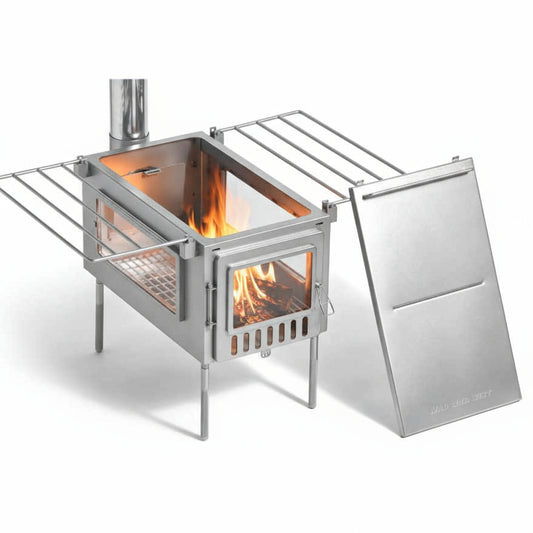
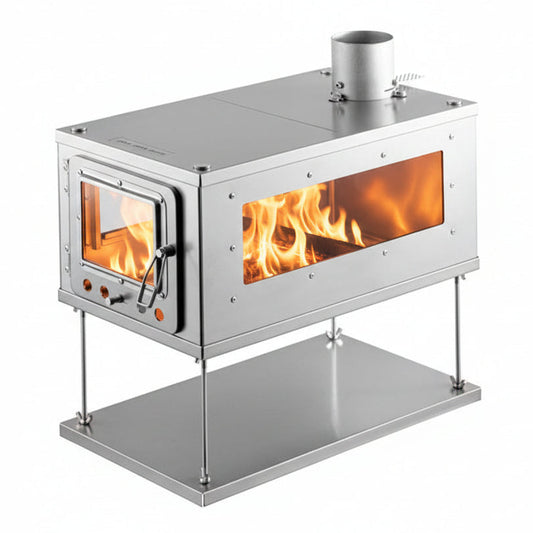
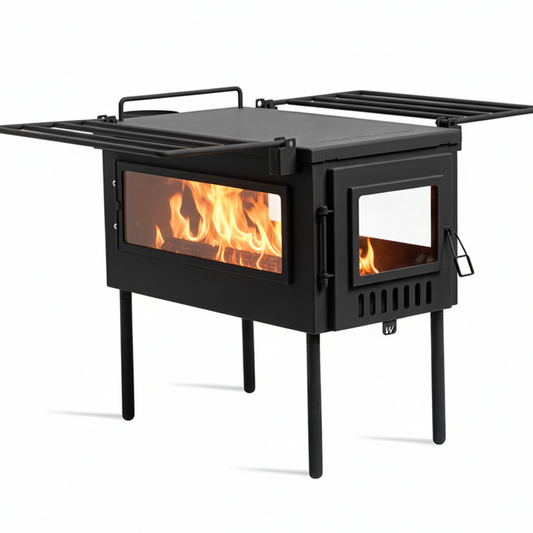
Tent wood stoves come in different sizes, and each has its own heating footprint. Smaller compact stoves typically heat between 100 and 200 square feet, making them ideal for solo or two-person tents. Mid-sized stoves generally cover 200 to 400 square feet, which works well for larger family tents or canvas bell tents. Heavy-duty models can heat 400 square feet or more, depending on the stove's construction and firewood quality.
The key factor is the stove's firebox size and the amount of heat it generates. A larger firebox holds more wood and burns hotter, extending your heating range and allowing you to maintain warmth for longer periods between refueling.
The Critical Role of Firewood Quality
While stove size and tent insulation are important, the quality of your firewood directly impacts heating performance and efficiency. Not all wood burns the same, and using the wrong type can significantly reduce your stove's effective heating range.
Seasoned hardwoods are your best choice. Properly dried hardwoods like oak, maple, and ash have lower moisture content, which means they burn hotter and longer than softwoods or wet wood. Seasoned wood should have a moisture content below 20 percent—ideally between 15 and 18 percent. When wood is properly seasoned, it produces more BTUs per piece, allowing your stove to maintain higher temperatures and heat a larger area more consistently.
Wet or green wood is a common mistake that drastically reduces heating capacity. Moisture-laden wood wastes energy evaporating water instead of producing heat, and it creates excessive creosote buildup in your chimney, which is both a fire hazard and a maintenance headache. You might find that a stove rated for 300 square feet only heats 150 square feet when burning unseasoned wood.
Softwoods like pine and spruce are lighter and easier to transport, but they burn faster and produce less sustained heat than hardwoods. If softwood is your only option, plan to refuel more frequently and expect a smaller effective heating radius.
The size and density of your firewood also matter. Split wood dries faster and burns more efficiently than whole logs. Aim for pieces that fit comfortably in your stove's firebox without excessive overhang, typically 4 to 6 inches in diameter and 12 to 16 inches long.
Insulation and Tent Material Matter
Square footage alone doesn't tell the whole story. The insulation value of your tent plays a major role in how effectively a stove heats your space. Canvas and heavy-duty fabrics retain heat much better than thin silnylon, so a stove that heats 300 square feet in a well-insulated canvas tent might only effectively warm 200 square feet in a lightweight nylon shelter.
Ventilation also affects heating efficiency. Proper airflow prevents condensation and maintains oxygen levels, but excessive drafts will pull warm air out of your tent. Sealing gaps around your stove's chimney pipe and minimizing openings helps your stove work more efficiently. The higher the stove jack in the wall is from the ground, the more heat efficient you wood stove becomes.
Real-World Conditions Impact Performance
Outdoor temperature, wind, and ground conditions all influence how well your stove performs. In mild conditions, a stove rated for 300 square feet might comfortably heat that entire space. In harsh winter weather, you may find the same stove only effectively warms a smaller core area, with the tent's outer edges remaining cooler.
Elevation also plays a role—at higher altitudes, wood burns less efficiently due to lower oxygen levels, which can reduce your stove's effective heating range.
Choosing the Right Stove for Your Needs
When selecting a tent wood stove, consider the size of your tent and the typical conditions where you'll camp. If you're between sizes, it's often better to choose the larger option—you can always burn less wood or open a vent to cool things down, but an undersized stove won't keep you warm on the coldest nights.
Look for stoves with adjustable dampers and efficient designs that maximize heat output while minimizing fuel consumption. Quality construction and proper installation with appropriate chimney height and clearance from tent fabric are equally important for both safety and performance.