How Safe Are Tent Wood Stoves Really
How Safe Are Tent Wood Stoves?
Tent wood stoves have become increasingly popular among backcountry campers and winter adventurers, but safety is a legitimate concern for anyone considering one. The good news: when used properly, modern tent stoves are remarkably safe. Understanding the risks and best practices will help you enjoy the warmth and comfort they provide with confidence.

The Real Risks
The primary hazards with tent wood stoves involve carbon monoxide (CO) exposure, cuts, fire risk, and burns. Carbon monoxide is a colorless, odorless gas produced by incomplete combustion—it's the biggest concern for sealed enclosed spaces. Fire risk comes from the stove itself, the chimney pipe, and sparks escaping into your tent. Burns are a straightforward hazard when handling hot metal or fuel.
However, these risks are manageable with proper equipment and technique. A quality tent stove designed for enclosed spaces, combined with good ventilation and careful operation, significantly reduces danger.
Ventilation Is Non-Negotiable
The single most important safety factor is adequate airflow. Your tent must have proper ventilation— Never seal a tent completely when running a stove inside.
A small crack or vent opening is often enough, but check your stove manufacturer's recommendations for your specific tent setup. Some campers use floorless tents for this reason.
Stove Quality Matters
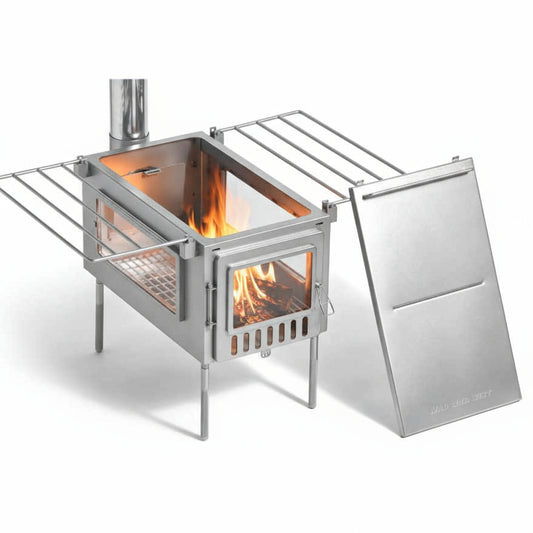
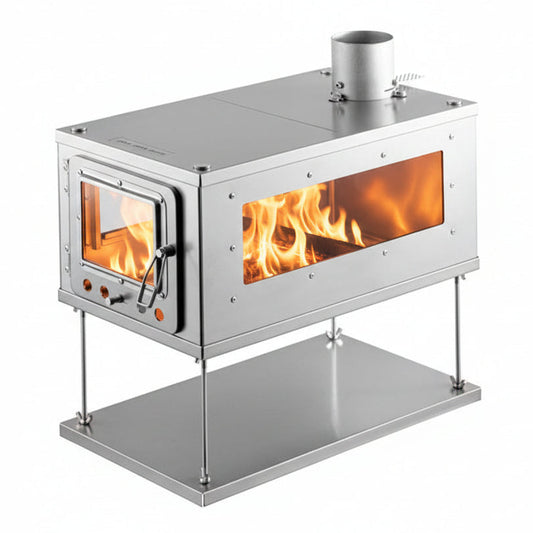
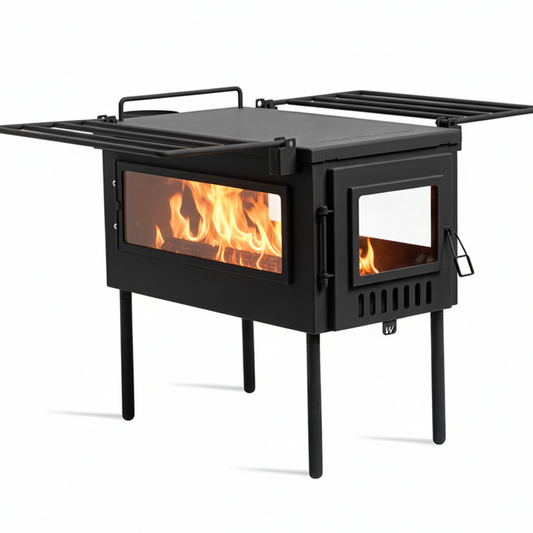
Not all wood stoves are created equal. Look for stoves that are purpose-built for tent use—they typically feature:
- Efficient combustion chambers that minimize CO production
- Durable, heat-resistant materials that won't warp or fail
- Proper chimney connections with minimal gaps or leaks
- Spark arrestors to prevent embers from escaping
- Stable, level bases that won't tip easily
Cheap or improvised stoves are where most safety problems occur. Investing in a reputable brand designed for hot tents is worth every penny.
Installation and Setup
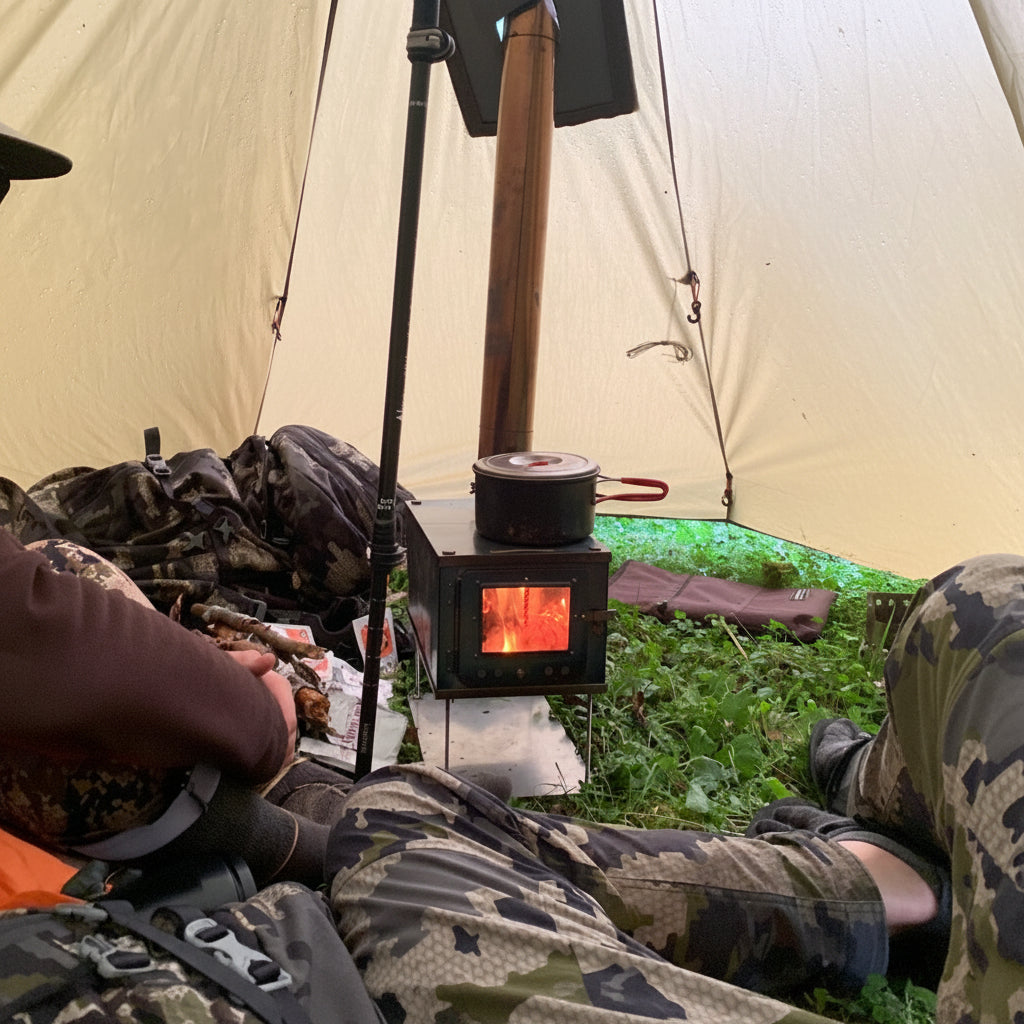
How you install your stove matters as much as the stove itself. The chimney pipe should be properly sealed and insulated where it passes through the tent fabric. Many hot tents come with reinforced stove jacks or sleeves designed to prevent contact between hot metal and tent fabric.
Keep the stove at least 3–4 feet away from tent walls and gear. Position it on a stable, level surface—never on uneven ground where it could tip. Ensure the chimney extends well above the tent peak to prevent downdrafts and allow smoke to disperse safely.
Fuel Selection and Storage
Use only dry, seasoned hardwood in your tent stove. Wet or green wood produces more smoke, creosote buildup, and incomplete combustion—all of which increase CO risk. Softwoods like pine create excessive sparks and creosote, so avoid them when possible.
Store fuel in a dry covered area near or inside tent, away from the stove. This reduces fire risk.
Monitoring and Maintenance
Check your stove and chimney regularly for cracks, rust, or damage. Creosote buildup in the chimney is a fire hazard, so clean it periodically depending on how often you use the stove. Many experienced users clean their chimneys after every trip or every few uses.
Pay attention to how your tent feels while the stove is running. If you notice headaches, dizziness, or nausea—potential signs of CO exposure—immediately increase ventilation and consider extinguishing the fire. These symptoms warrant investigation before your next trip.
Best Practices for Safe Operation
- Never leave a burning stove unattended for extended periods, especially while sleeping. Use a timer or set a mental reminder to check on it.
- Keep a fire extinguisher or water source nearby in case of emergency.
- Wear gloves to avoid accidental contact with hot surfaces.
- Allow the stove to cool completely before breaking camp or handling it.
- Test your setup in mild conditions first before relying on it in harsh winter weather.
- Know the signs of CO poisoning: headache, dizziness, weakness, nausea, and confusion.
The Bottom Line
Tent wood stoves are safe when you prioritize quality equipment, proper ventilation, and careful operation. Thousands of backcountry enthusiasts and winter campers use them successfully every year. The key is respecting the tool, understanding the risks, and following best practices consistently.
If you're new to tent stoves, consider learning from experienced users, watching instructional videos, and practicing your setup at home or in your backyard before heading into the wilderness. A little preparation goes a long way toward safe, comfortable adventures in the cold.