How-to Cook on a Tent Wood Stove Stovetop Outdoors
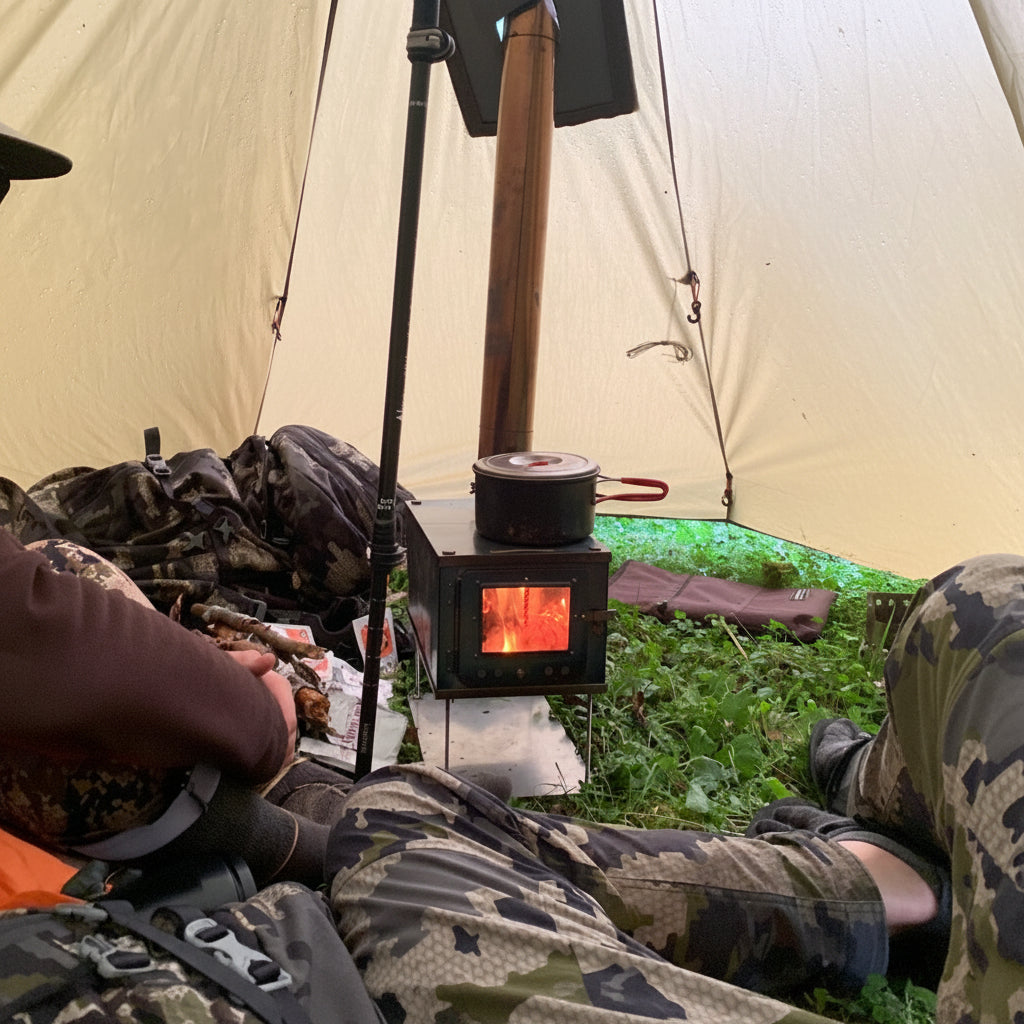
Cooking on a tent wood stove stovetop is one of the most rewarding aspects of backcountry camping. Whether you're melting snow for water, brewing morning coffee, or preparing a full meal in the wilderness, mastering your stove's cooking surface opens up a world of outdoor culinary possibilities.

Understanding Your Tent Wood Stove Stovetop
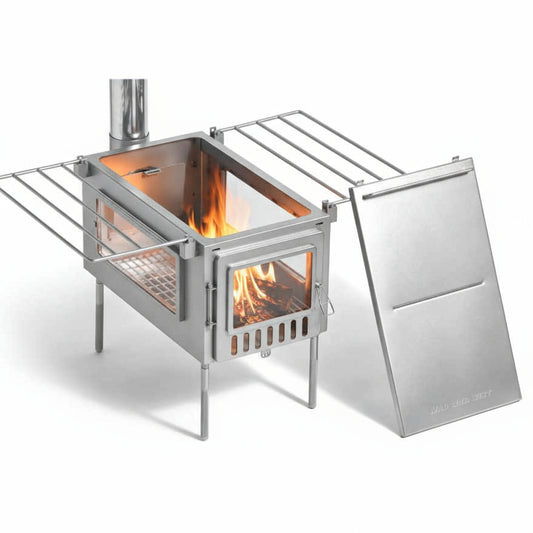
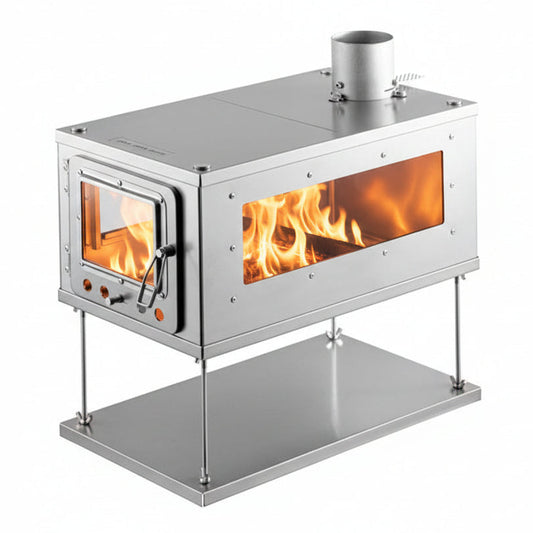
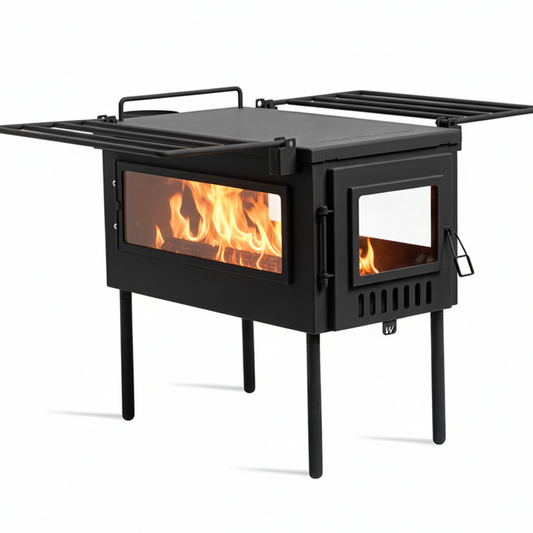
A tent wood stove stovetop is designed to handle direct heat from an active fire. Unlike traditional kitchen ranges, these surfaces heat unevenly—the area directly above the firebox gets significantly hotter than the edges. This characteristic requires a different approach to cooking and takes practice to master.
Before you start cooking, familiarize yourself with your specific stove model. Check the manufacturer's guidelines for maximum safe temperatures and recommended cookware. Most quality tent stoves are built to handle cast iron and stainless steel, but always verify compatibility with your equipment.
Choosing the Right Cookware
Cast iron is the gold standard for tent stove cooking. It distributes heat evenly, develops seasoning over time, and becomes more non-stick with use. A well-seasoned cast iron skillet or Dutch oven will serve you reliably for years in the backcountry.
Stainless steel cookware also works well and requires less maintenance than cast iron. Avoid thin aluminum pots, as they heat too quickly and can warp on the intense direct heat of a wood stove. Always use cookware with flat bottoms to maximize contact with the stovetop surface.
Managing Heat and Fire
The key to successful tent stove cooking is controlling your fire. A roaring blaze will make your stovetop dangerously hot and difficult to cook on. Instead, maintain a steady, moderate fire with consistent coals. Add wood gradually and allow it to burn down to a stable heat level before placing cookware on the surface.
Position your pots and pans strategically. Place items requiring high heat directly over the hottest part of the stove, and move items needing gentler warmth toward the cooler edges. Rotate cookware occasionally to ensure even heating and prevent hot spots from burning your food.
Cooking Techniques for Tent Stoves
Boiling water is straightforward—fill your pot and let it sit over the heat until it reaches a rolling boil. For soups and stews, bring liquid to a boil, then move the pot to a cooler section of the stovetop to simmer gently.
Frying and sautéing require more attention. Heat your pan gradually, test the temperature with a drop of water (it should sizzle immediately), and keep your ingredients moving to prevent burning. The uneven heat distribution means you'll need to rotate your pan more frequently than on a conventional stove.
Baking in a Dutch oven is possible on a tent stove, though it demands skill. Place hot coals on the lid and underneath the oven to create an even baking environment. Start with simple recipes like bread or biscuits before attempting more complex baked goods.
Safety Considerations
Always use proper heat protection. Heavy-duty gloves rated for high temperatures are essential when handling cookware or adjusting the fire. Keep a clear workspace around your stove and never leave cooking food unattended.
Ensure your tent has adequate ventilation when the stove is in use. Proper airflow prevents carbon monoxide buildup and helps manage moisture. Check that your stove's chimney is clear of obstructions before lighting a fire.
Allow cookware to cool completely before touching it with bare hands, and be mindful of the stovetop surface itself—it remains dangerously hot long after you've finished cooking.
Practice Makes Perfect
Cooking on a tent wood stove is a skill that improves with experience. Start with simple meals—boiled water, basic soups, and straightforward frying—before advancing to more complex recipes. Each camping trip teaches you more about your stove's personality and how to work with its unique heat characteristics.
Keep detailed notes about what works well on your stove and what doesn't. Over time, you'll develop an intuition for fire management and cookware placement that makes backcountry cooking feel natural and enjoyable.