How to Dry Wet Clothes While Winter Camping
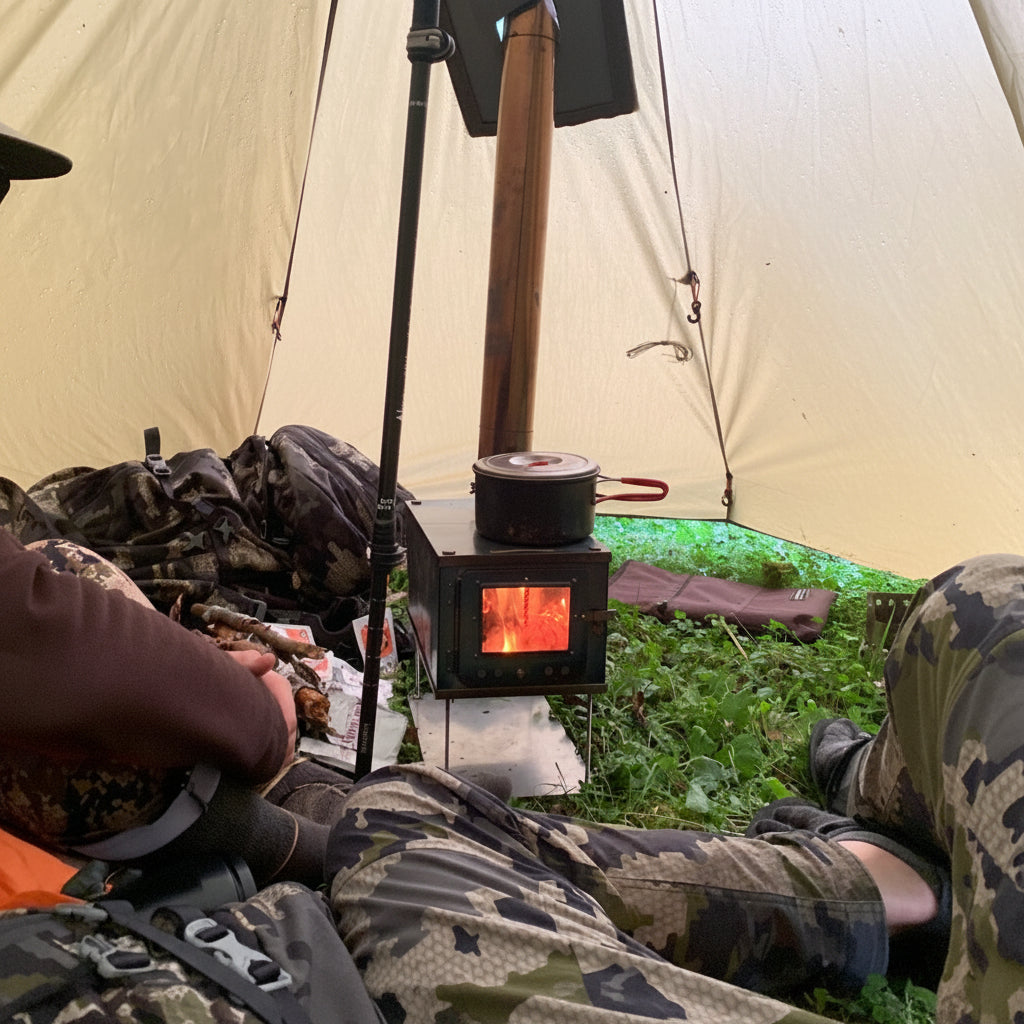
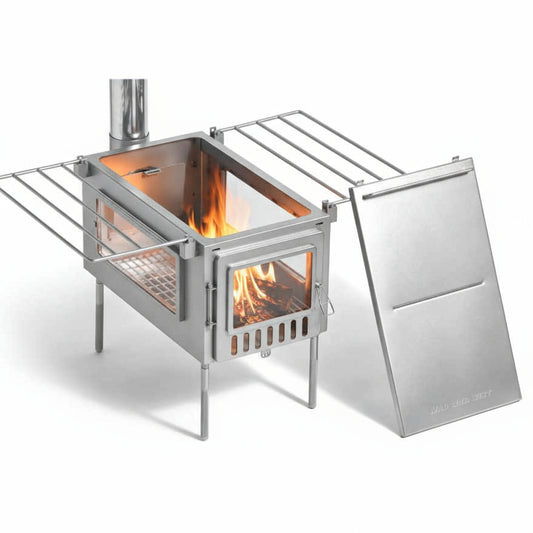
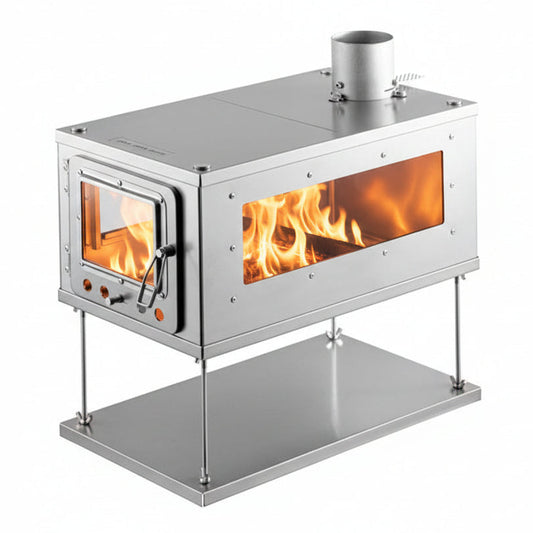
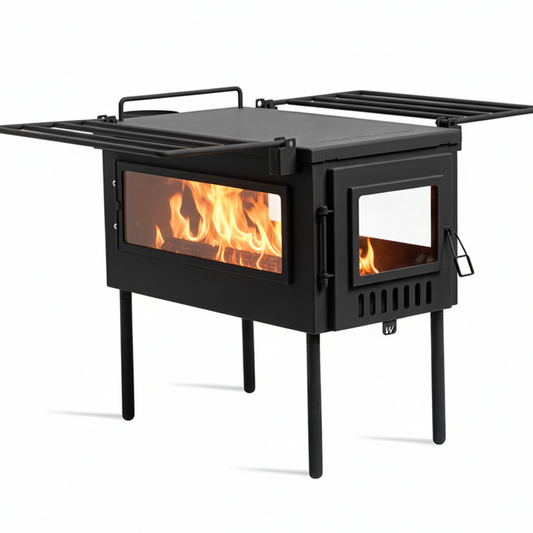
Winter camping brings its own set of challenges, and managing moisture is one of the most critical. When you're using a tent wood stove, you have a powerful tool to help dry wet clothes—but doing it safely and effectively requires strategy.

Why Wet Clothes Are a Real Problem
Moisture is your enemy in cold weather. Wet fabric loses its insulating properties and pulls heat away from your body through evaporation. Damp gear also becomes heavier and takes up more space in your pack. Beyond comfort, soggy clothes can accelerate hypothermia, making moisture management essential for survival in harsh conditions.
Set Up Your Drying Station
Position a clothesline or rope inside your tent, away from direct contact with the stove pipe or hot surfaces. Use this line to hang damp items where warm air naturally rises and circulates. Keep clothes at least 18 inches from any metal surfaces or the stove itself to prevent scorching or fire hazards.
Layer Your Drying Priority
Dry items in stages based on necessity. Start with the pieces you need most urgently—socks, base layers, and insulating mid-layers should dry first since you'll wear them soon. Outer shells and heavier items can dry more slowly. Break up the drying process into manageable chunks rather than trying to dry everything at once, which can overwhelm your tent's ventilation.
Control Tent Humidity
A hot stove in an enclosed space eliminates condensation. Crack your tent vents slightly to allow moisture to escape while retaining heat. This balance is crucial: you want the stove warming your space while excess humidity exits.
Rotate and Turn Clothes Regularly
Don't leave wet items hanging static. Turn them every 30 minutes or so to ensure even drying on both sides. This simple habit cuts drying time significantly and prevents one side from staying damp while the other bakes. Pay special attention to seams, cuffs, and thick fabric areas where moisture lingers longest.
Use Passive Drying Too
While your stove provides active heat, squeezing excess water out of clothes before hanging them speeds the process. Gently wring items or use a dry towel to absorb surface moisture. For extremely wet gear, consider a quick spin in a dry bag if you have one. This step makes the stove's job much easier and reduces overall tent humidity.
Protect Your Stove and Tent
Never drape clothes directly on or over your stove. Fabric can ignite, and the risk isn't worth the time savings. Keep at least two feet of clearance between any hanging items and your stove pipe. Use a stove guard or heat shield if you have one, and never leave wet clothes unattended while the stove is burning hot. Establish a clear safety zone around your heating source.
Plan Ahead for Tomorrow
The best drying strategy starts before you need it. Choose moisture-wicking base layers that dry faster than cotton. Pack spare dry clothes in waterproof bags so you always have a backup.
With your tent wood stove and these practices in place, managing wet clothes becomes manageable—and your winter camp stays safer and more comfortable.