How to Prevent Carbon Monoxide Buildup in Tent Using Wood Stove
How to Prevent Carbon Monoxide Buildup in Your Hot Tent with a Wood Stove
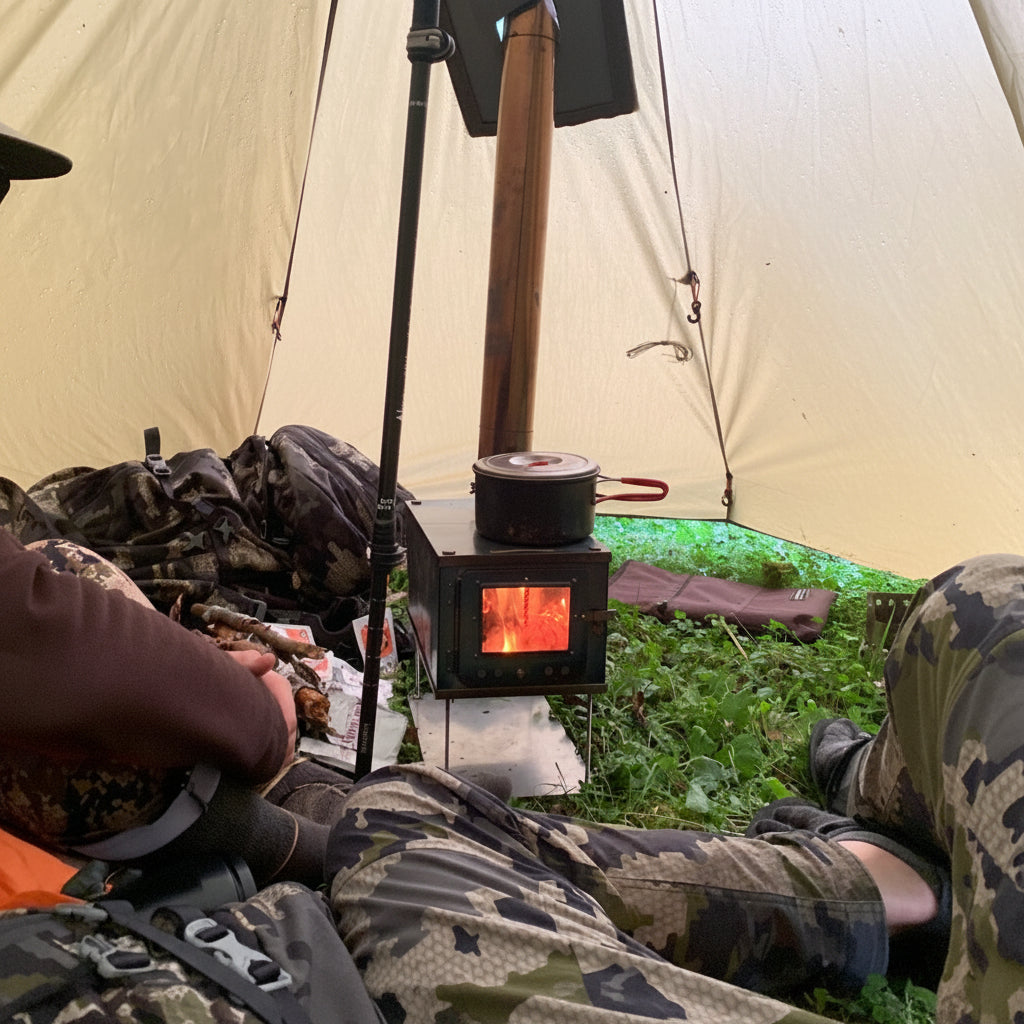
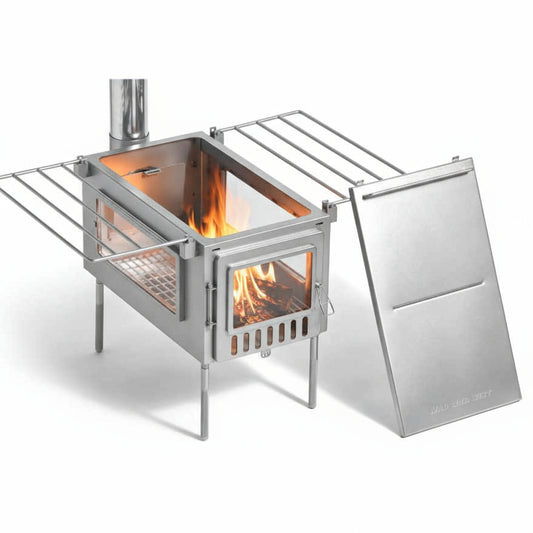
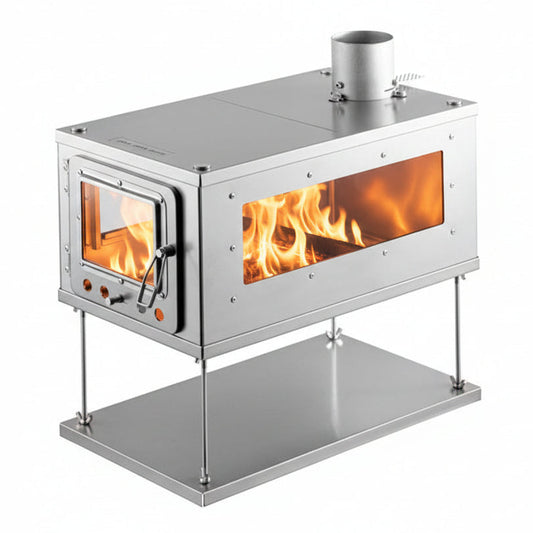
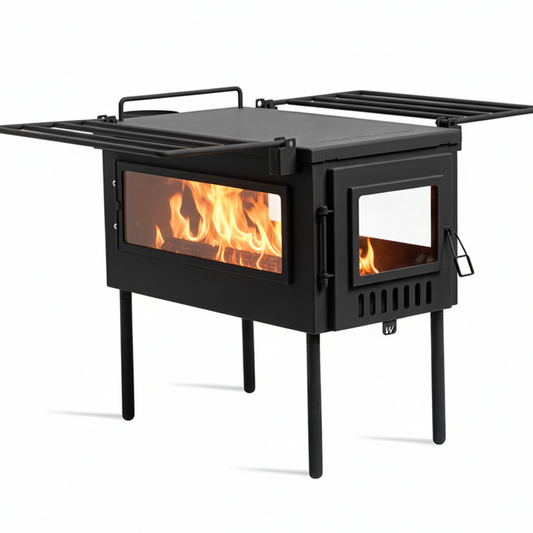
Using a wood stove to heat your hot tent during camping is an excellent way to stay warm in the backcountry. However, improper ventilation and stove operation can lead to dangerous carbon monoxide (CO) accumulation inside your tent. Understanding how to prevent this hazard is essential for safe hot tent camping.

Understand the Risk
Carbon monoxide is a colorless, odorless gas produced when wood burns incompletely. In an enclosed airtight shelters, CO can accumulate to dangerous levels without proper ventilation. Even small amounts of CO exposure can cause headaches, dizziness, and nausea—symptoms that are easy to mistake for altitude sickness or fatigue. Prolonged exposure can be life-threatening.
Install Proper Ventilation
The most critical step in preventing CO buildup is ensuring adequate airflow through your tent. Your wood stove should have a stove jack for the chimney pipe to exits through the tent wall or roof. The opening around the pipe must be sealed properly to prevent heat loss, but the tent itself needs fresh air intake to replace the air being drawn up the chimney. Use a floorless tent or crack a door slightly to allow outside air to enter. This creates a continuous flow of fresh air that dilutes any CO that may be produced.
Use Quality Dry Wood
Wet or green wood burns inefficiently and produces more carbon monoxide than seasoned wood. Always use firewood that has been dried for at least six months. Dry wood burns hotter and more completely, minimizing incomplete combustion and CO production. Store your firewood in a dry location before your trip, and keep it protected from moisture during your camping expedition.
Maintain Your Stove and Chimney
A well-maintained stove operates more efficiently and safely. Before each camping season, inspect your stove for cracks, rust, or damage that could allow CO to escape into the tent. Check that all seams and joints are in working order. Your chimney pipe should be clean and free of obstructions like creosote buildup or debris. A blocked or damaged chimney forces exhaust back into the tent, increasing CO levels dramatically.
Monitor Stove Operation
Never leave your stove unattended while it's burning, especially overnight. Keep the stove door closed during operation to ensure all combustion gases are directed up the chimney. Avoid smoldering fires—a stove that's burning too slowly produces more CO than one with a steady, active flame. If you need heat overnight, use a properly designed overnight burn technique with adequate ventilation, or consider alternative heating methods.
Use a Carbon Monoxide Detector
A battery-powered CO detector designed for camping is an inexpensive safety tool that can save your life. Place it in your sleeping area where you'll hear the alarm. Test it before your trip to ensure it's functioning. While a detector won't prevent CO buildup, it will alert you to dangerous levels so you can immediately increase ventilation or evacuate the tent.
Know the Warning Signs
Even with precautions in place, stay alert to symptoms of CO exposure: headache, dizziness, weakness, upset stomach, chest pain, or confusion. If you or anyone in your group experiences these symptoms, immediately open all vents, increase fresh air intake, and step outside the tent. Do not re-enter until you've identified and corrected the problem.
Plan for Safe Overnight Heating
If you're planning to heat your tent overnight, consider using a stove designed specifically for hot tent camping with proven safety records. Some experienced winter campers prefer to let the stove burn down before sleeping and rely on insulation and sleeping systems to maintain warmth. Others use a low, steady burn with continuous ventilation monitoring. Whatever method you choose, prioritize ventilation over warmth.
Hot tent camping with a wood stove can be a rewarding winter experience when done safely. By maintaining proper ventilation, using quality fuel, keeping your equipment in good condition, and staying vigilant, you can enjoy the warmth and comfort of a wood stove while minimizing the risk of carbon monoxide exposure.