Hunting Meals to Cook on a Tent Wood Stove
Cooking Hunting Meals on Your Tent Wood Stove
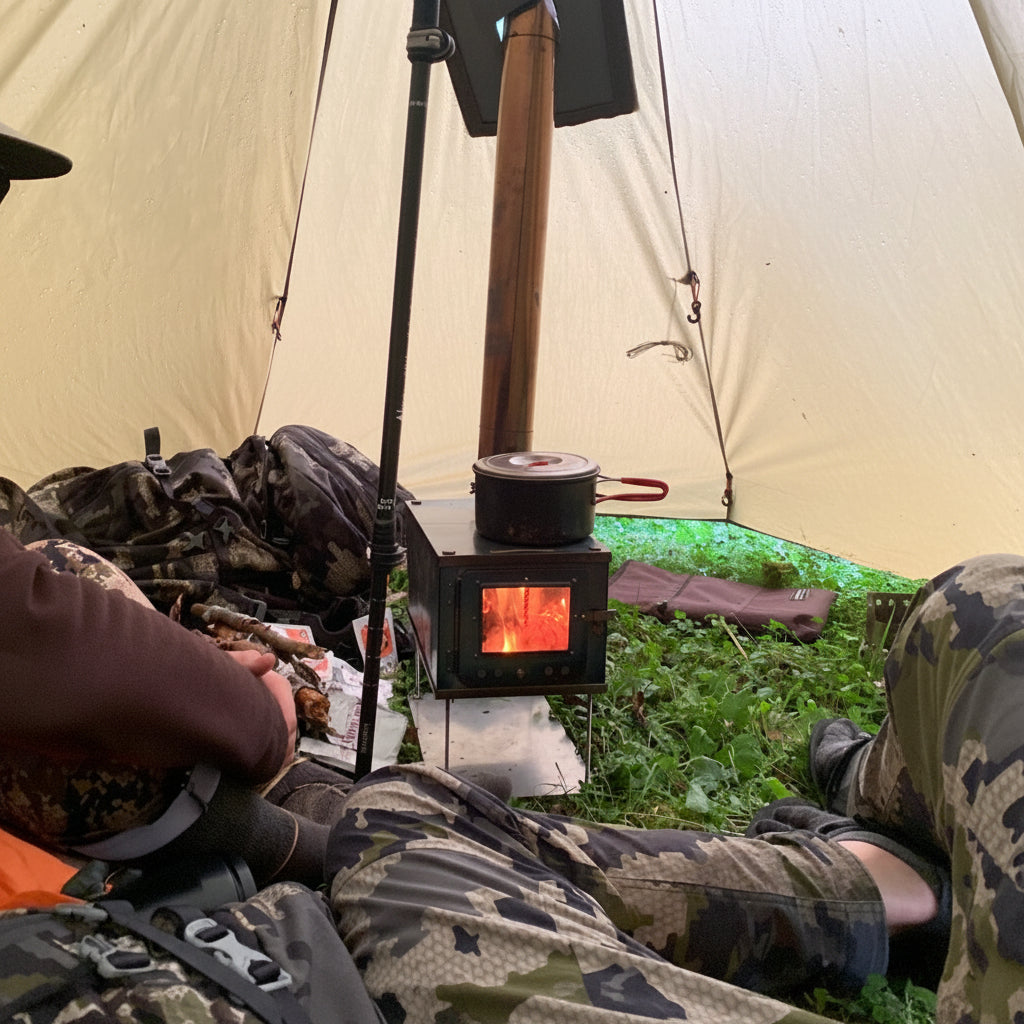
There's something uniquely satisfying about preparing a meal in the backcountry, especially when you're cooking over the warmth of a wood stove inside your hot tent. Whether you've just returned from a successful hunt or you're fueling up for the next day's adventure, a tent wood stove opens up culinary possibilities that go far beyond instant noodles and freeze-dried packets.

Why Your Wood Stove is a Game Changer
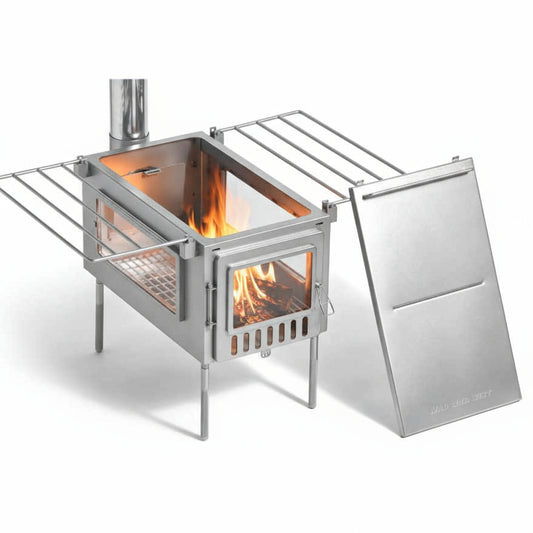
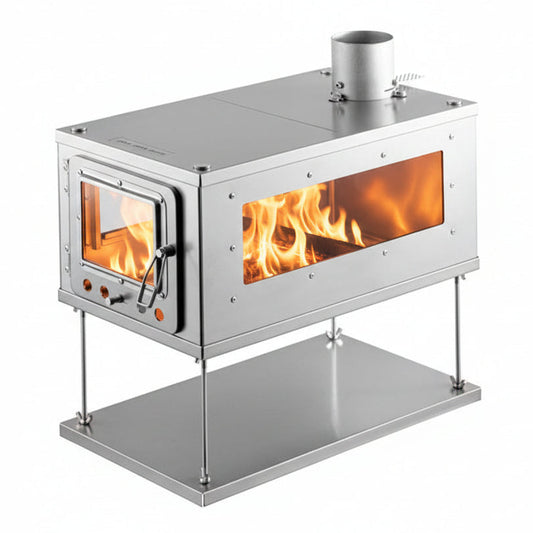
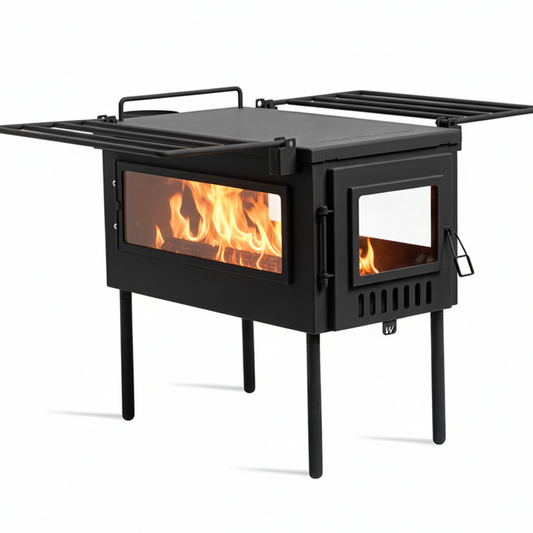
A quality tent wood stove transforms your hunting camp into a functional kitchen. Unlike open fires, a stove gives you precise heat control, keeps warmth inside your shelter, and lets you cook safely in any weather. The steady, radiant heat is perfect for simmering stews, baking bread, or slowly rendering fat from your harvest.
Essential Cookware for Stove Cooking
Keep your camp kitchen simple but effective. A cast iron skillet is your workhorse—it distributes heat evenly and can handle anything from searing meat to baking cornbread. Add a heavy-bottomed pot for soups and stews, a griddle for pancakes and flatbread, and a kettle for hot water and tea. Cast iron retains heat beautifully and actually improves with use in a wood stove environment.
Hearty One-Pot Meals
One-pot meals are ideal for tent cooking. A rich venison stew with root vegetables, wild mushrooms, and herbs simmers beautifully over steady heat. Layer your ingredients, add broth, and let the stove do the work while you tend to camp tasks. Elk chili, bean-based soups with game meat, and slow-cooked roasts all benefit from the gentle, consistent warmth a wood stove provides.
Breakfast to Fuel Your Hunt
Start your mornings strong with cast iron breakfasts. Fry fresh eggs and bacon, cook thick pancakes on a griddle, or make a hearty hash with potatoes and leftover game meat. A hot breakfast cooked on your stove sets the tone for a successful day in the field and keeps you warm before heading out into cold weather.
Baking and Bread
Your tent stove can bake surprisingly well. Dutch ovens work excellently for crusty bread, biscuits, and even simple cakes. The enclosed heat mimics an oven, and cast iron distributes temperature evenly. Fresh-baked bread in camp is a morale booster and pairs perfectly with game meat and hearty soups.
Managing Your Stove for Cooking
Control your heat by adjusting airflow through the damper and managing your wood supply. A bed of coals provides steadier, more controllable heat than active flames. Keep your firebox clean of ash buildup, which can restrict airflow and reduce cooking efficiency. Learn to read your stove's temperature zones—the hottest spot is typically directly above the firebox, while the sides and back offer gentler heat for simmering.
Food Safety in Camp
Keep raw and cooked game meat separated. Use clean utensils and surfaces, and cook game thoroughly to a safe internal temperature. Your wood stove's consistent heat makes it easier to achieve proper doneness. Store perishables in cool conditions, and when in doubt, cook it longer rather than shorter.
Maximizing Your Hunting Camp Kitchen
Prep ingredients before your hunt when possible. Chop vegetables, and measure spices at home, then pack them in labeled containers. This saves time and fuel at camp. Keep a well-stocked spice kit—salt, pepper, garlic, and dried herbs transform simple camp meals into memorable feasts.
Cooking on a tent wood stove connects you to a tradition of self-sufficiency and resourcefulness. It transforms your hunting camp from a basic shelter into a place where you can rest, recover, and enjoy the fruits of your labor. The meals you prepare there become part of the hunt itself—stories to tell and memories that last long after the season ends.