Replacing a Campfire with a Tent Wood Stove Outdoors
Can a Tent Wood Stove Replace a Campfire?
If you've spent time camping, you know the appeal of a traditional campfire—the warmth, the ambiance, the ritual of gathering around the flames. But a tent wood stove offers something different, and for many outdoor enthusiasts, it's a game-changer. The short answer is yes, a tent wood stove can absolutely replace a campfire, and in many situations, it's actually the better choice.

Heat Efficiency and Control
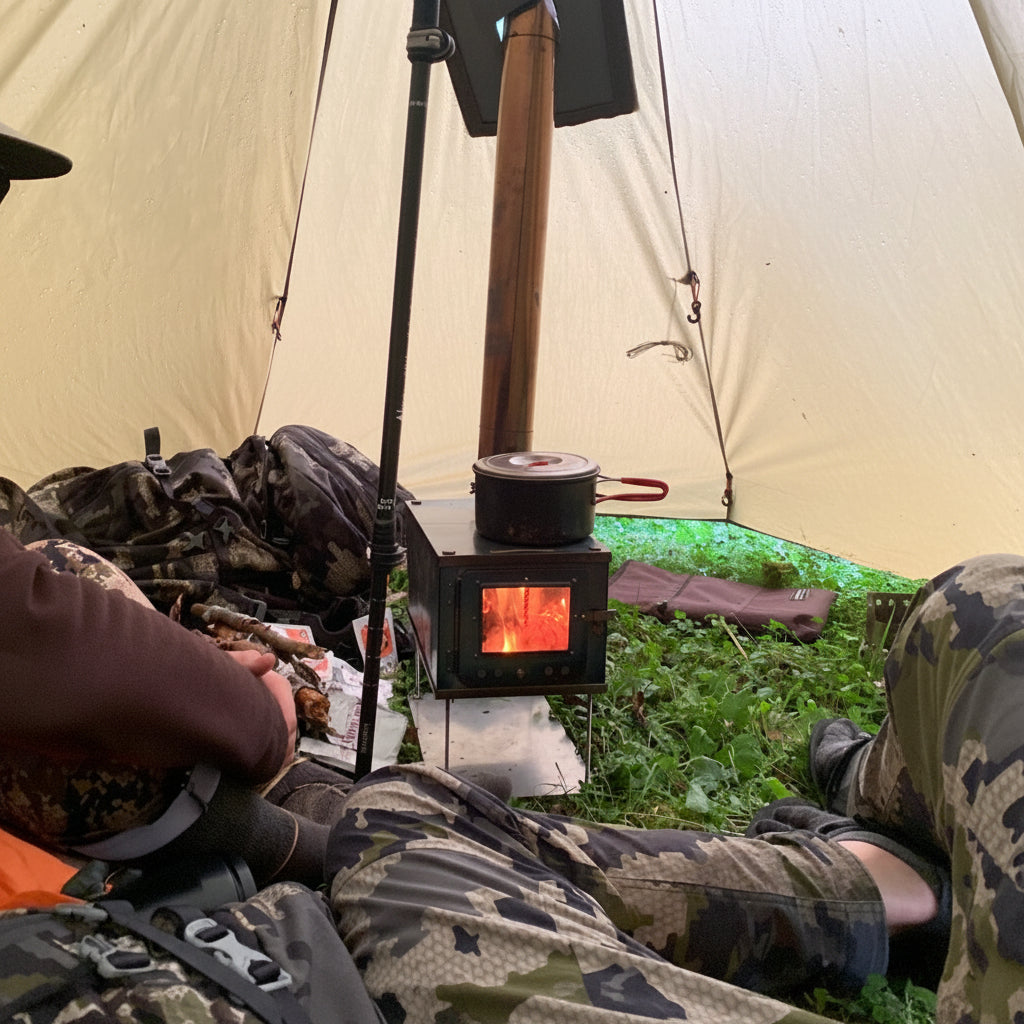
One of the biggest advantages of a tent wood stove is efficiency. A campfire radiates heat in all directions, meaning much of that warmth is lost to the open air. A tent wood stove, by contrast, concentrates heat directly into your shelter. You control the burn rate by adjusting the air vents, which means you can maintain a consistent temperature throughout the night without constantly tending to the fire. This is especially valuable during cold-weather camping when staying warm is essential.
Cooking on a Tent Wood Stove
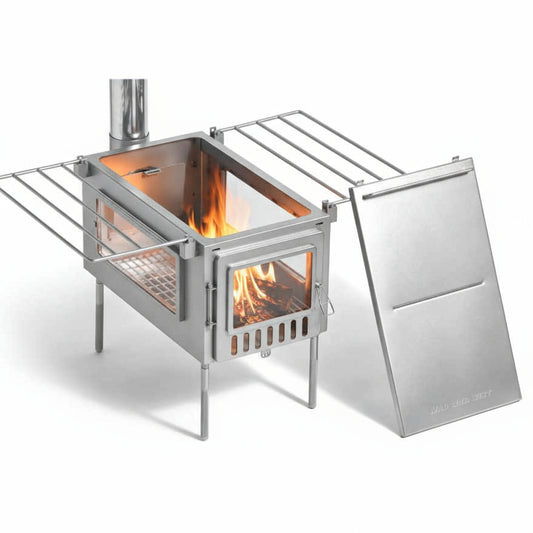
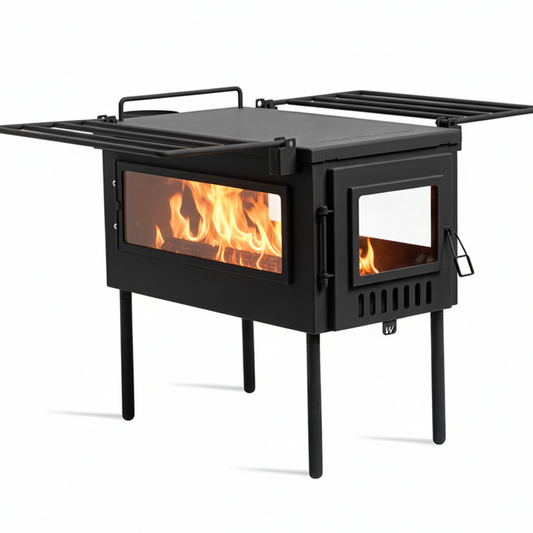
Here's something that might surprise you: many tent wood stoves come equipped with a flat stovetop surface that's perfect for cooking. While a traditional campfire excels at open-flame cooking, a tent stove offers a more controlled cooking environment. You can simmer soups, brew coffee, heat water for meals, or cook pancakes on a griddle—all while staying warm inside your shelter.
The stovetop heats evenly and responds quickly to adjustments, giving you better temperature control than balancing a pot over flickering flames. This is especially valuable during multi-day trips where you're preparing meals in less-than-ideal weather. You're no longer dependent on clear skies and dry conditions to cook a hot meal. The stove becomes the centerpiece of your camp kitchen, combining warmth and cooking functionality in one compact unit.
So while a campfire might still win for roasting marshmallows and creating that classic campfire atmosphere, a tent wood stove actually gives you more cooking versatility and reliability for serious backcountry cuisine.
Chimney Pipe Design Keeps Smoke and Sparks Above
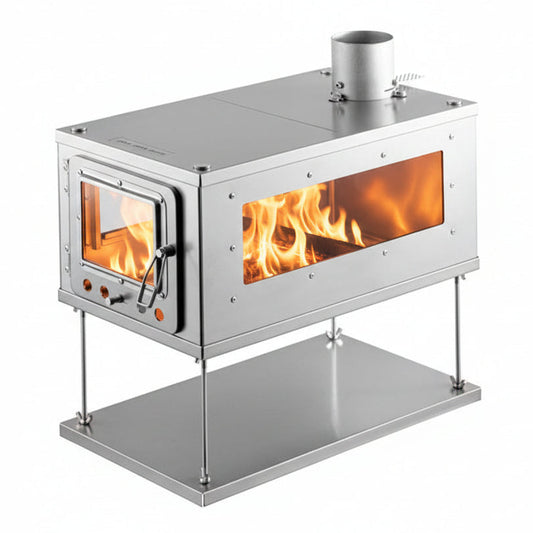
One of the smartest features of a tent wood stove is its chimney pipe system. The pipe vents smoke and combustion gases directly above you, or outside your tent through a specially designed opening called a Stove Jack, keeping your shelter smoke-free and breathable. This is a massive quality-of-life improvement over a campfire, where smoke tends to follow you around and irritate your eyes and lungs.
The chimney (with spark arrestor) also contains sparks and embers that would otherwise drift into your tent or across your campsite. With a campfire, you're constantly managing spark risk—moving gear away from the fire ring, worrying about holes in your tent, and keeping a close eye on nearby vegetation. A tent stove eliminates these concerns entirely. The enclosed design and vented chimney mean sparks stay contained and directed safely upward and away from your camp.
This design also means you can position your stove closer to where you're sleeping or cooking without the constant worry of flying embers. You get all the warmth and cooking benefits of a fire with none of the smoke inhalation or spark hazards that come with traditional campfires.
Camping During Fire Restrictions
Fire restrictions are becoming increasingly common across North America, especially during dry seasons and in fire-prone regions. When campfire bans are in place, many campers assume they're stuck with cold nights and no hot meals. A tent wood stove with spark arrestor changes that equation entirely.
Because a tent stove operates in a controlled, enclosed environment with a contained chimney system, it's often permitted even when open campfires are strictly prohibited. The reduced risk of uncontrolled fire spread makes it a safer alternative that land managers and campground operators are more willing to allow. Always check local regulations before your trip, but in many cases where campfires are banned, a properly installed tent wood stove remains a viable option.
This opens up camping opportunities during peak seasons and in sensitive areas where you'd otherwise be unable to camp at all. You can enjoy backcountry trips, extended stays, and cold-weather adventures even when fire restrictions are in effect. A tent stove essentially extends your camping season and expands the places you can responsibly explore.
Safety and Convenience
Campfires require open ground, proper clearance from vegetation, and constant supervision. Many campgrounds restrict or prohibit them entirely, especially during fire season. A tent wood stove operates safely inside or attached to your tent, eliminating the need for a fire ring and reducing the risk of uncontrolled spread. You also won't have to worry about embers drifting toward your gear or waking up to a dying fire in the middle of the night.
Weather Independence
Wet conditions make campfires nearly impossible to start and maintain. A tent wood stove works regardless of rain or snow, as long as you have dry wood. This makes it far more reliable for extended trips or camping in unpredictable climates.
The Campfire Still Has Its Place
That said, a tent wood stove doesn't completely replace the campfire experience. There's something irreplaceable about cooking over open flames, roasting marshmallows, or simply sitting around a fire with friends. Many experienced campers use both—a tent stove for nighttime warmth and comfort inside their shelter, and a campfire for cooking and socializing during the day.
Leave No Trace Principles
Beyond the practical benefits, tent wood stoves align perfectly with Leave No Trace ethics—a set of principles designed to minimize environmental impact in backcountry and wilderness areas. Traditional campfires leave visible scars on the landscape: blackened fire rings, ash deposits, and charred ground that can take years to recover. A tent wood stove eliminates this impact entirely. You leave no trace of your fire, which means the campsite looks untouched when you depart.
Campfires also consume dead wood that provides habitat and nutrients to the forest ecosystem. By using a tent stove, you reduce pressure on local wood resources and help preserve the natural environment for future campers. Additionally, tent stoves produce less smoke and particulate matter, reducing air quality impacts in sensitive wilderness areas.
For anyone committed to responsible outdoor recreation, a tent wood stove is the environmentally conscious choice that lets you stay warm and comfortable without compromising the pristine condition of the places you love to explore.
The Bottom Line
For serious winter camping, backcountry trips, or situations where campfires aren't permitted, a tent wood stove is an excellent alternative that offers superior warmth, safety, and reliability. It transforms your tent into a cozy basecamp and lets you camp comfortably in conditions where a traditional campfire simply wouldn't work.