Should You Use a Carbon Monoxide Detector with Tent Wood Stove?
Carbon monoxide (CO) is a silent, odorless gas that can be deadly in high concentrations. When you're using a tent wood stove in an enclosed or semi-enclosed space, understanding the risks and taking proper precautions is essential for your safety and the safety of everyone in your shelter.

Why Carbon Monoxide is a Concern with Tent Wood Stoves
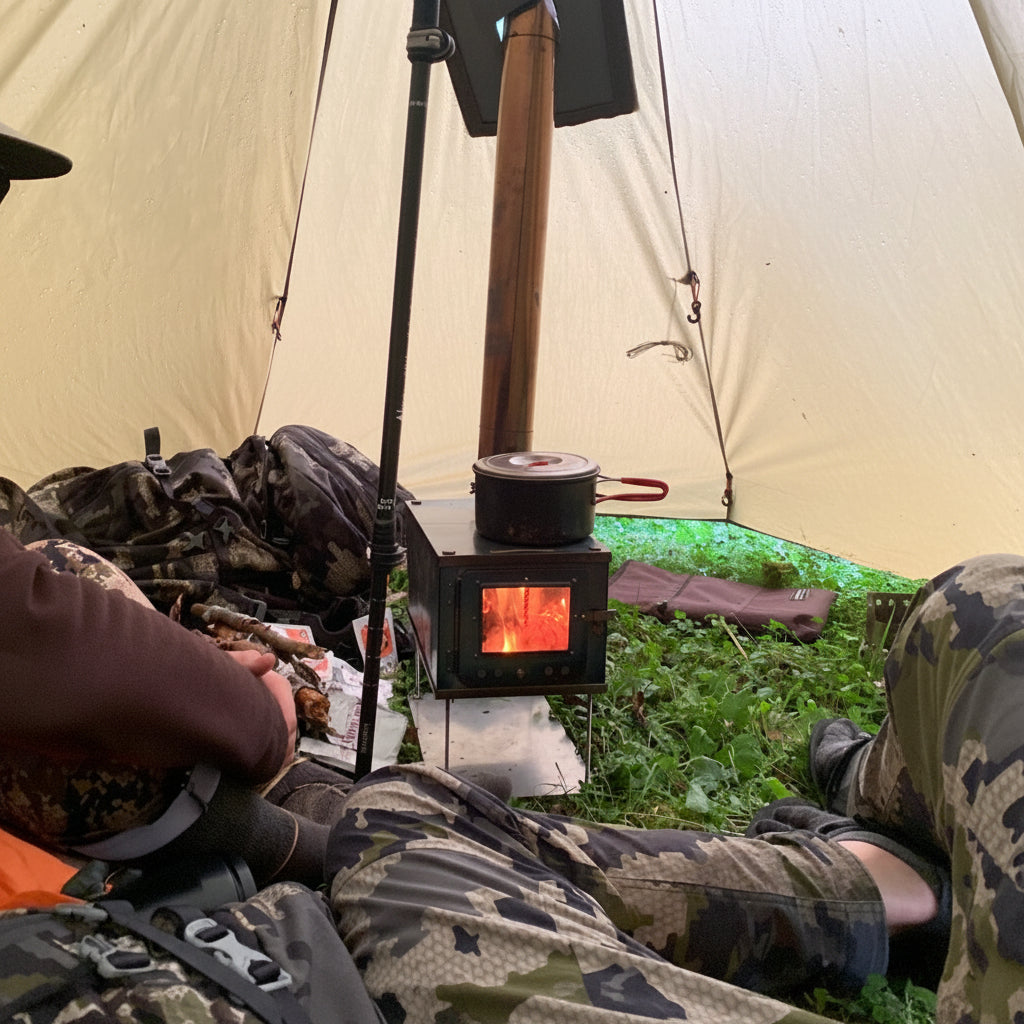
Wood stoves produce carbon monoxide as a byproduct of combustion. In well-ventilated outdoor environments, CO disperses quickly and poses minimal risk. However, when a stove operates inside an airtight tent or enclosed shelter, CO can accumulate to dangerous levels if ventilation is inadequate. Incomplete combustion—caused by wet wood, poor airflow, or a blocked chimney—increases CO production significantly.
Symptoms of carbon monoxide poisoning include headache, dizziness, weakness, nausea, chest pain, and confusion. In severe cases, it can lead to loss of consciousness or death. The danger is that these symptoms can develop gradually and may be mistaken for fatigue or illness.
Do You Need a Carbon Monoxide Detector?
Yes, using a battery-powered carbon monoxide detector is a smart safety practice when operating a tent wood stove in any enclosed shelter. A quality CO detector will alert you if gas levels become dangerous, giving you time to increase ventilation or evacuate if necessary.
Look for detectors that are:
- Battery-powered and reliable in cold temperatures
- Equipped with an audible alarm that functions in low-light conditions
- Compact and easy to mount or position inside your tent
Best Practices for Safe Stove Operation
A CO detector is one layer of protection, but it should never be your only safeguard. Follow these practices to minimize carbon monoxide risk:
- Ensure proper ventilation: Install your stove jack correctly and maintain adequate airflow into and out of your shelter. Never seal your tent completely airtight.
- Use dry, seasoned wood: Wet or green wood burns inefficiently and produces more CO. Store firewood in a dry location during your trip.
- Keep the chimney clear: Inspect your chimney and stove pipe regularly for blockages, creosote buildup, or damage that could restrict airflow.
- Position the stove safely: Place your stove away from tent walls and fabric to prevent fires and ensure proper air circulation around the unit.
- Test your detector regularly: Check that your CO detector is functioning before each trip and replace batteries as needed.
The Bottom Line
A carbon monoxide detector is an inexpensive, practical addition to your tent stove setup and can be a lifesaver. Combined with proper ventilation, quality equipment, and safe operating habits, it helps ensure that your winter camping adventures remain comfortable and secure. Prioritize safety, and you'll be able to enjoy the warmth and ambiance of your wood stove with confidence.