Tent Condensation Removal with Tent Wood Stove Outdoors
Understanding Tent Condensation and Why It Happens
Condensation inside a tent is one of the most common challenges cold-weather campers face. When you're inside a warm tent on a frigid night, the temperature difference between your heated interior and the cold fabric exterior creates the perfect conditions for moisture to form. Your breath, body heat, and any cooking or heating activity release water vapor into the air. As that warm, moist air contacts the cooler tent fabric, it condenses into droplets—sometimes dripping onto your sleeping bag or gear.
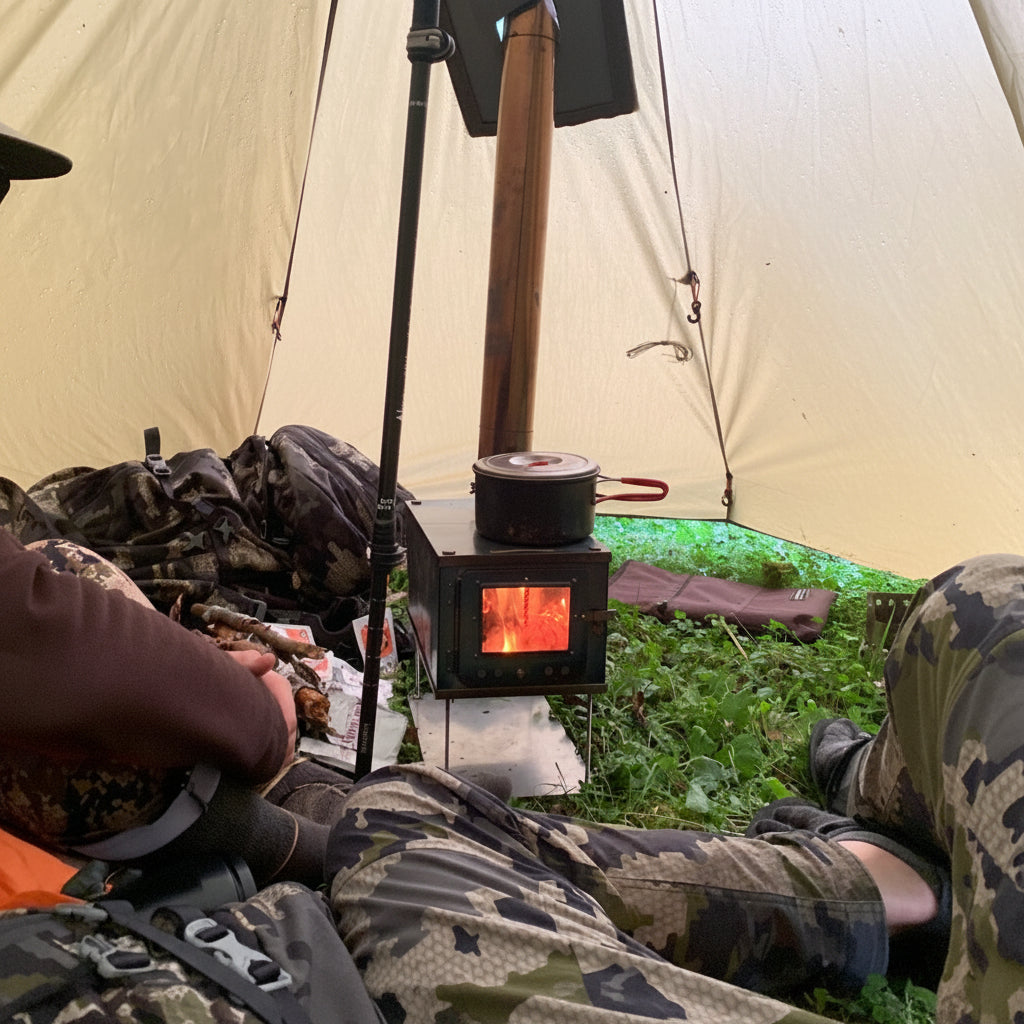
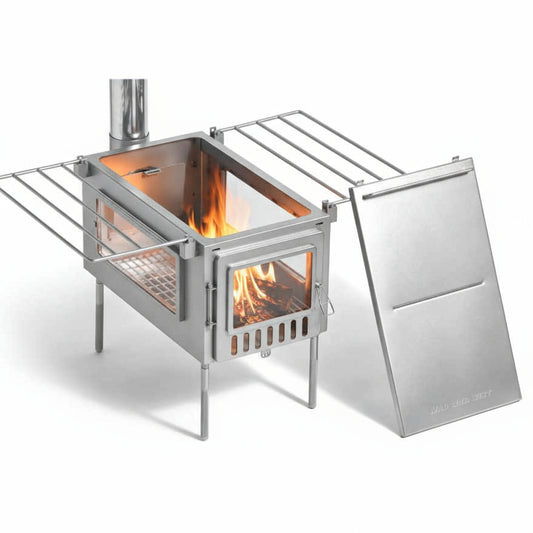
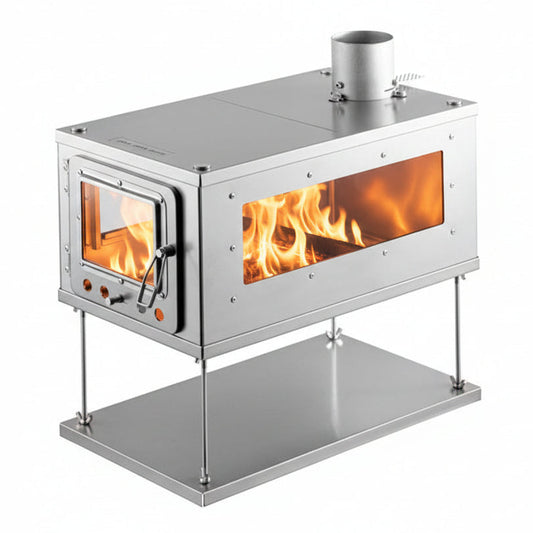
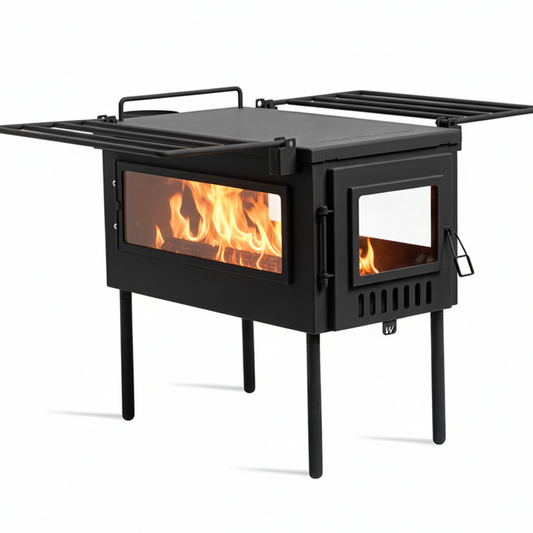
A tent wood stove changes the equation entirely. By raising the interior temperature and creating active air circulation, a quality stove can dramatically reduce condensation buildup and keep your tent dry throughout the night.

How a Wood Stove Reduces Condensation
The primary mechanism is straightforward: warmth. A wood stove creates dry heat in the tent interior, which loves to eat moisture. Additionally, a properly operating stove creates convection currents that keep air moving, preventing cold pockets where moisture would otherwise accumulate.
The key is maintaining a steady, moderate heat rather than letting the stove burn too hot and then cool down rapidly. Consistent warmth throughout the night prevents the temperature swings that trigger condensation cycles.
Ventilation Is Essential
While heat is important, ventilation is equally critical. A wood stove requires oxygen to burn, and that intake air must come from somewhere. Proper stove setup includes an intake vent that draws fresh, dry air from outside directly to the stove. This outside air, even though cold, is typically much drier than the saturated air inside your tent. As the stove burns, it exhausts moisture-laden air up the chimney and out of the tent, replacing it with drier outside air.
Never seal your tent completely up from the outside air. Allow adequate airflow, and consider cracking a vent or window slightly if condensation persists. The goal is to balance heat retention with moisture removal.
Fuel Quality Matters
Wet or green wood produces excessive smoke and moisture as it burns, which actually increases condensation inside your tent. Always use seasoned, dry firewood with a moisture content below 20 percent. Hardwoods like oak and maple burn hotter and cleaner than softwoods, and they produce less creosote buildup in your chimney—a safety consideration for tent stove use.
Keep your firewood stored in a dry location before your trip, and protect it from rain or snow during your camping adventure.
Stove Placement and Setup
Position your stove away from tent walls and gear to allow air to circulate around it. This circulation helps distribute heat evenly and prevents localized cold spots where condensation clusters. Ensure your stove sits on a stable, non-flammable base and that the chimney pipe is properly sealed and insulated where it passes through the tent fabric.
Monitor and Adjust Throughout the Night
Check your tent periodically during the night. If you notice condensation forming on the walls or ceiling, it's a sign that either the stove temperature has dropped too low or ventilation is insufficient. Add wood to maintain steady heat, or slightly increase your ventilation opening. Most experienced tent stove users find that a gentle, consistent burn produces the best results.
In extremely cold conditions, you may need to tend the stove more frequently to keep the interior warm enough to prevent condensation entirely.
Additional Tips for Staying Dry
Beyond stove management, a few other practices help minimize condensation. Cooking inside a small tent increases humidity —boiling water or preparing hot meals releases significant moisture. If you must cook inside, do so briefly and ensure your ventilation is wide open.
Finally, choose a tent designed for cold-weather use. Modern hot tent designs feature a stove jack system engineered to work with wood stoves. These tents are built to handle the demands of stove heating and moisture management.