How-to Operate Tent Wood Stove (Pro Tips) 2026
Getting Started with Your Tent Wood Stove
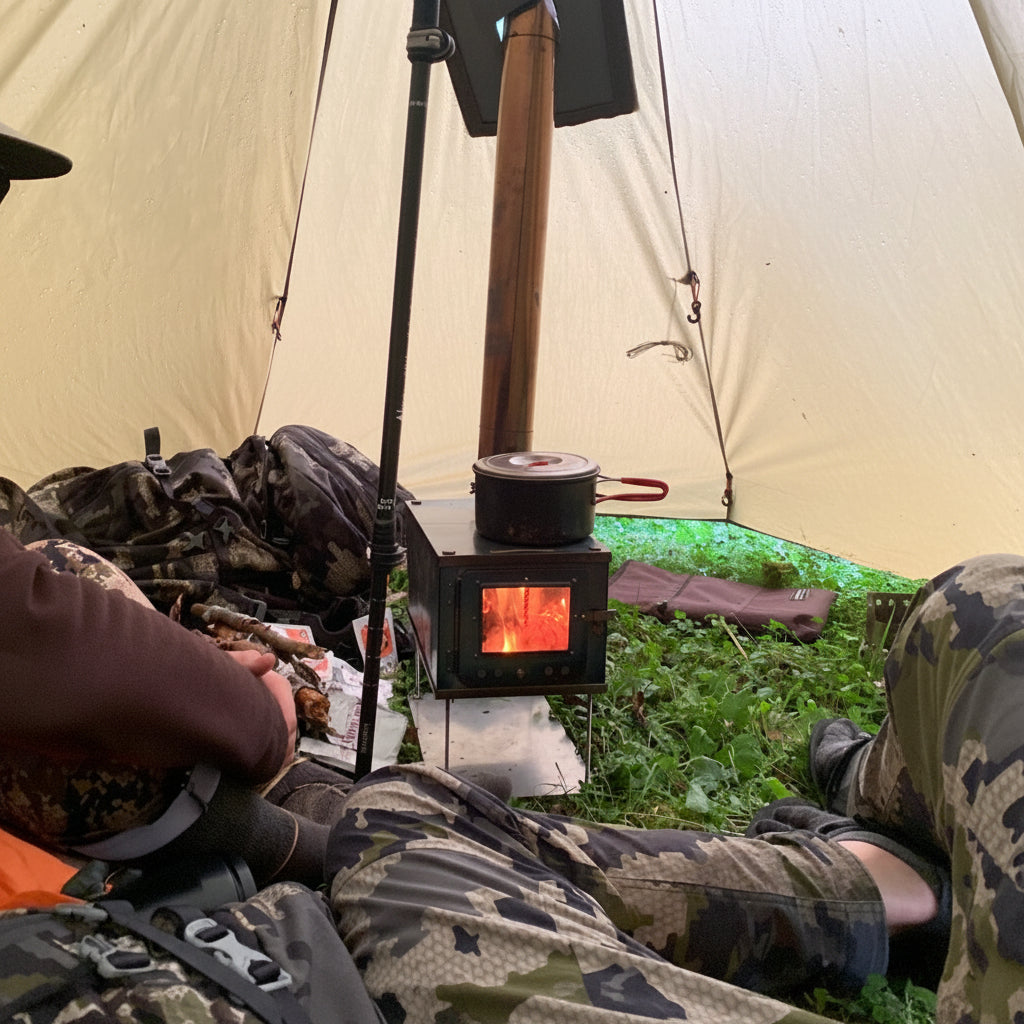
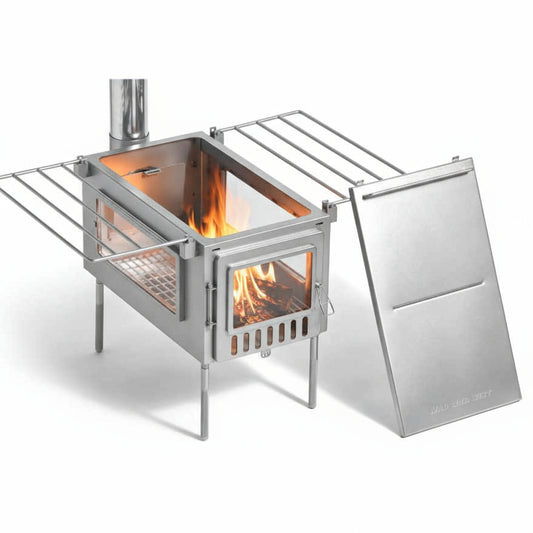
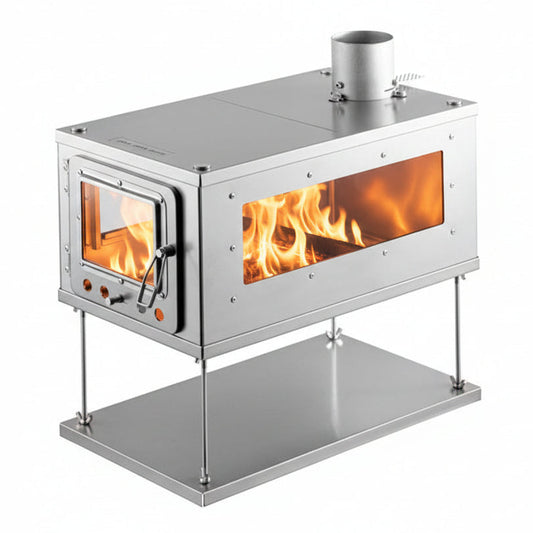
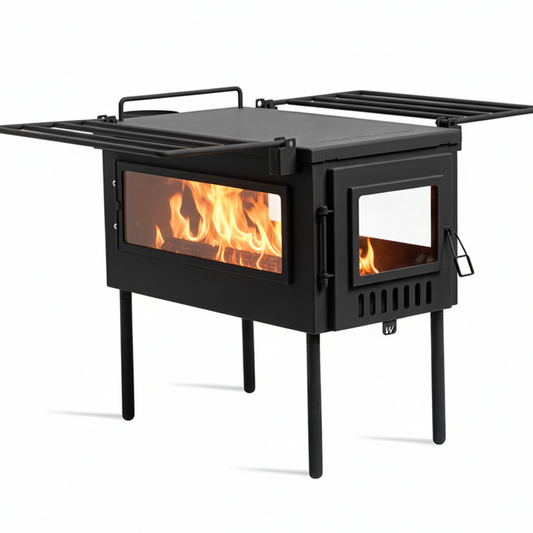
A tent wood stove transforms your camping experience, providing reliable heat and a focal point for your outdoor shelter. Whether you're new to wood stove camping or upgrading your setup, understanding the basics of operation ensures safety, efficiency, and maximum enjoyment of your investment.

Before Your First Use
Inspect your stove thoroughly before lighting it for the first time. Check that all seams are intact, the door closes securely, and the chimney pipe sections fit together properly. Ensure your tent has adequate ventilation—most canvas and hot tents are designed with stove jacks that allow the chimney to pass through safely while maintaining the tent's weatherproofing.
Set up your stove on a level, stable surface away from tent walls and fabric. Use a heat-resistant mat or metal base to protect the ground beneath and around the stove. Position the chimney pipe vertically through the stove jack, securing it with the provided collar or clamp to prevent movement.
Building and Lighting Your Fire
Start with dry kindling and small pieces of wood arranged in a loose structure that allows airflow. Crumpled paper or natural fire starters work well for ignition. Light the kindling and gradually add slightly larger pieces as the fire establishes itself. Avoid overloading the firebox initially—a well-established fire with good airflow is more efficient than a smoldering pile of wood.
Once your fire is burning steadily, add larger logs as needed. Split wood burns more efficiently than rounds, and seasoned wood (dried for at least six months) produces better heat and less creosote buildup in your chimney.
Managing Heat and Airflow
Most tent wood stoves feature an air intake valve or damper that controls oxygen flow to the fire. Open the damper fully when lighting and establishing your fire. Once the fire is burning well, you can partially close the damper to slow the burn rate and extend your fuel supply. Experiment to find the balance between heat output and wood consumption that works for your conditions.
Wood Stove Air Intake and Damper Use
Consider is how the air intake and the damper work together to make them the stove more efficient. At the front of the stove, you have an air intake that is adjustable, which basically works to allow air to be drawn into the firebox, and so you can adjust this to change the amount of air intake into the stove, which will change how fast and quickly the wood is going to burn. With the damper, what you've got here is the ability to adjust how air intake is drawn from the front of the stove and then up and out through the chimney.
Second part of the damper is to be able to basically force heat back down into the belly of the stove, so that you're heating up the tent and you're not losing all of your heat, and escaping up through the chimney pipe.
Safety Considerations
Never leave a burning stove unattended. Keep flammable materials, including sleeping bags and gear, at least three feet away from the stove and chimney pipe. The chimney will be extremely hot—establish a clear zone around it and remind anyone in your tent to avoid contact.
Ensure your chimney extends high enough above the tent roof to prevent sparks from igniting the fabric. Check the chimney regularly during use for any gaps or separation between sections. If you smell smoke inside the tent, extinguish the fire immediately and inspect the stove and chimney for leaks or improper assembly.
Troubleshooting Common Issues
If your fire won't stay lit, check that your wood is dry and that the damper is open enough to provide adequate airflow. Poor draft can also result from a chimney that's too short or blocked by debris—inspect and clear as needed.
Excessive smoke inside the tent usually indicates a draft problem, improper chimney assembly. Smoke can also result from burning wet wood or closing the damper too much too quickly.
If the stove is producing minimal heat despite a good fire, ensure the firebox isn't overfilled with ash, and verify that your wood is properly seasoned. Wet or green wood produces less heat and more creosote.
Enjoying Your Tent Stove
A well-operated tent wood stove provides warmth, comfort, and a gathering point for your camping adventures. With proper setup, regular maintenance, and attention to safety, your stove will deliver reliable performance season after season. Take time to learn your specific stove's characteristics, and don't hesitate to refer to the manufacturer's guidelines for model-specific details and recommendations.
Preparing for Longer Burn Times
Let's talk about is how you might prepare the stove for bedtime, so that you get the most heat out of it for the longest period of time. But what you want to do, like we talked about earlier, is with your biggest pieces, don't necessarily want to put them underneath the belly of the stove. You kind of want them to be a little bit wet because this will help prolong the length of time that they burn.
You want to make sure that the stove has burned for a good period of time, because you want to have really good thick coal base in the bottom of the bottom of the stove. You throw those in, you've got that good coal base. You're going to shut your door and you're going to shut your damper all the way. And that will allow these pieces to burn for a long time, create good heat inside of the tent, just be a nice cozy evening.