Tent Wood Stove as Standalone Camp Stove for Cooking Outdoors
When most people think of camping stoves, they picture compact portable burners or lightweight backpacking setups. But tent wood stoves occupy a unique and often underestimated category in the outdoor cooking world—one that deserves serious consideration if you're looking to elevate your camp experience.
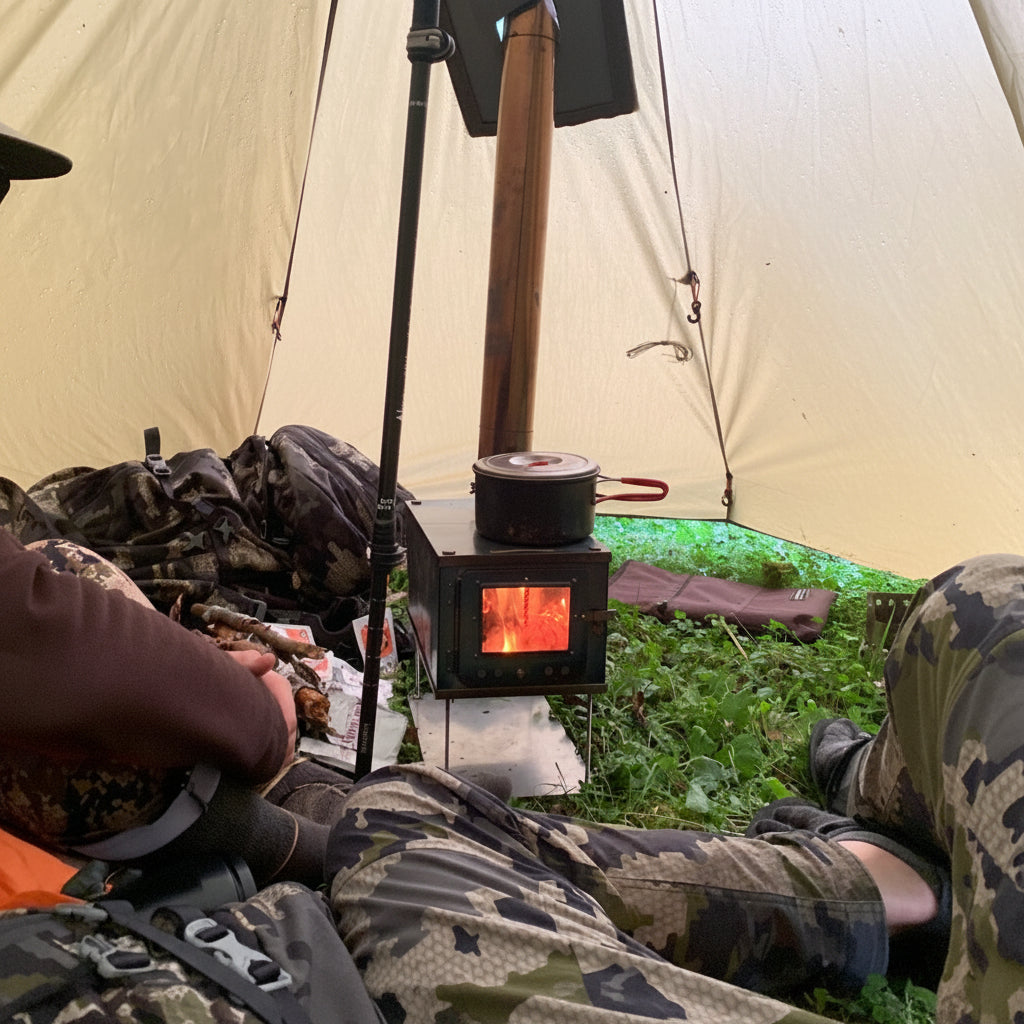
A tent wood stove isn't just heating appliances confined to canvas shelters. Some freestanding models are engineered to function as standalone camp stoves, capable of delivering reliable cooking performance in open-air settings, at base camps, or as the centerpiece of a semi-permanent outdoor kitchen. The key difference lies in their design: they're built with durability, heat retention, and cooking surface versatility in mind.

Why Choose a Tent Wood Stove for Standalone Cooking?
The appeal comes down to several practical advantages. First, wood stoves provide consistent, controllable heat—something that matters when you're simmering a stew or searing meat over an open flame. Unlike gas burners that can be finicky in wind or at altitude, a wood stove's thermal mass and design create a stable cooking environment.
Second, they're fuel-agnostic in the best way. As long as you have access to dry wood, you have a heat source. No canisters to carry, no fuel to purchase at remote outposts, and no worries about running out mid-trip. For extended camps or base camps where weight isn't the primary concern, this independence is invaluable.
Third, there's an undeniable appeal to cooking over wood. The ritual, the flavor, the connection to traditional outdoor cooking—these elements resonate with people who view camping as more than just a logistical exercise.
The Advantage of Chimney Pipes and Spark Arrestors
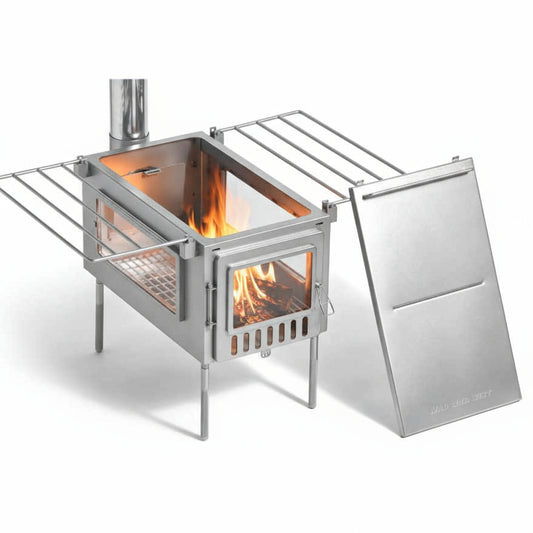
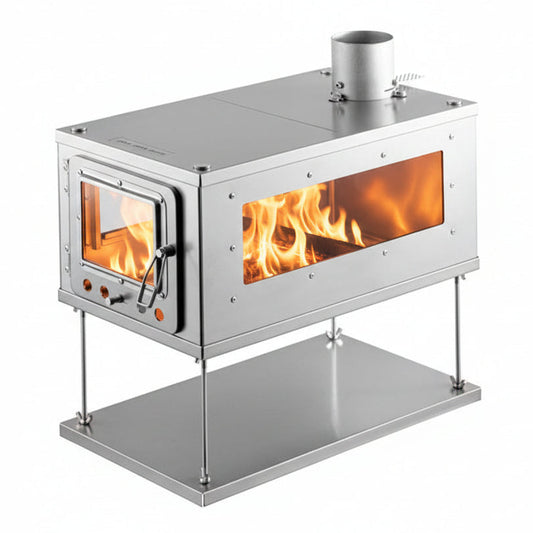
One feature that significantly enhances a tent wood stove's performance as a standalone cooker is the inclusion of a chimney pipe and spark arrestor. These components, often standard on quality models, deliver tangible benefits that extend well beyond basic heating.
A chimney pipe creates a proper draft, which improves combustion efficiency and gives you better control over heat output. This means faster boil times, more even cooking temperatures, and the ability to fine-tune your flame by adjusting how much wood you feed into the firebox. The draft also pulls smoke up and away from your cooking area, creating a more pleasant and safer environment for meal preparation.
The spark arrestor is equally important. This simple but effective component catches flying embers and sparks before they escape into the air, dramatically reducing fire risk around your camp. When you're cooking in open terrain or near vegetation, this safety feature provides peace of mind. It's the difference between confidently cooking near your tent and constantly worrying about stray sparks igniting nearby gear or dry grass.
Together, a chimney pipe and spark arrestor transform a basic wood stove into a refined cooking tool. You get cleaner combustion, better heat management, enhanced safety, and a more controlled cooking experience. For anyone serious about using a tent wood stove as their primary standalone camp cooker, these features aren't luxuries—they're essential components that justify the investment and deliver measurable improvements in both performance and peace of mind.
Practical Considerations for Standalone Use
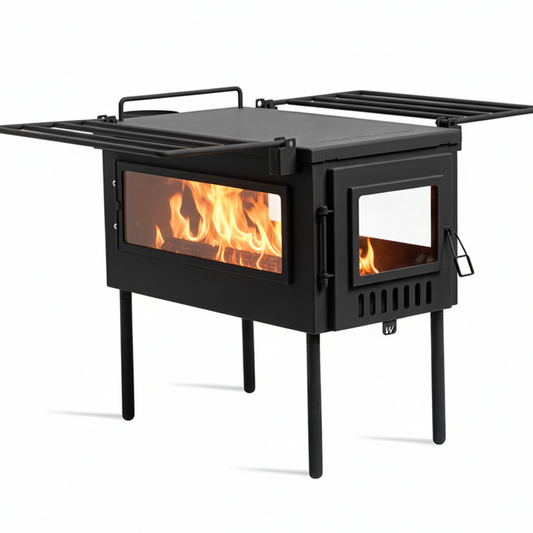
If you're considering a tent wood stove as your primary camp cooking tool, a few factors warrant attention. Stability is paramount—you'll want a model with a solid base and low center of gravity, especially if you're cooking on uneven terrain. Look for stoves with adjustable legs or a wide footprint.
Cooking surface design matters too. Some tent stoves feature flat tops ideal for griddles and cookware; others have grates designed for direct flame cooking. Understanding your intended use—whether you're primarily boiling water, slow-cooking, or searing—will guide your choice.
Ventilation and clearance are also critical. Even in open-air settings, you'll want to position your stove away from tents, gear, and overhanging branches. Follow manufacturer guidelines for safe distances and always maintain a clear perimeter around your cooking area.
The Versatility Factor
One of the strongest arguments for a tent wood stove as a standalone tool is its versatility. Use it as your primary camp stove during the day, then move it into a tent or shelter for heating at night. This dual functionality means you're not carrying redundant equipment—one well-chosen stove can serve multiple purposes across your entire camp setup.
For car camping, base camps, overlanding setups, or semi-permanent outdoor kitchens, a quality tent wood stove bridges the gap between ultralight backpacking gear and full-scale campfire cooking. It's a tool that rewards intentional use and delivers performance that justifies its presence in your outdoor arsenal.