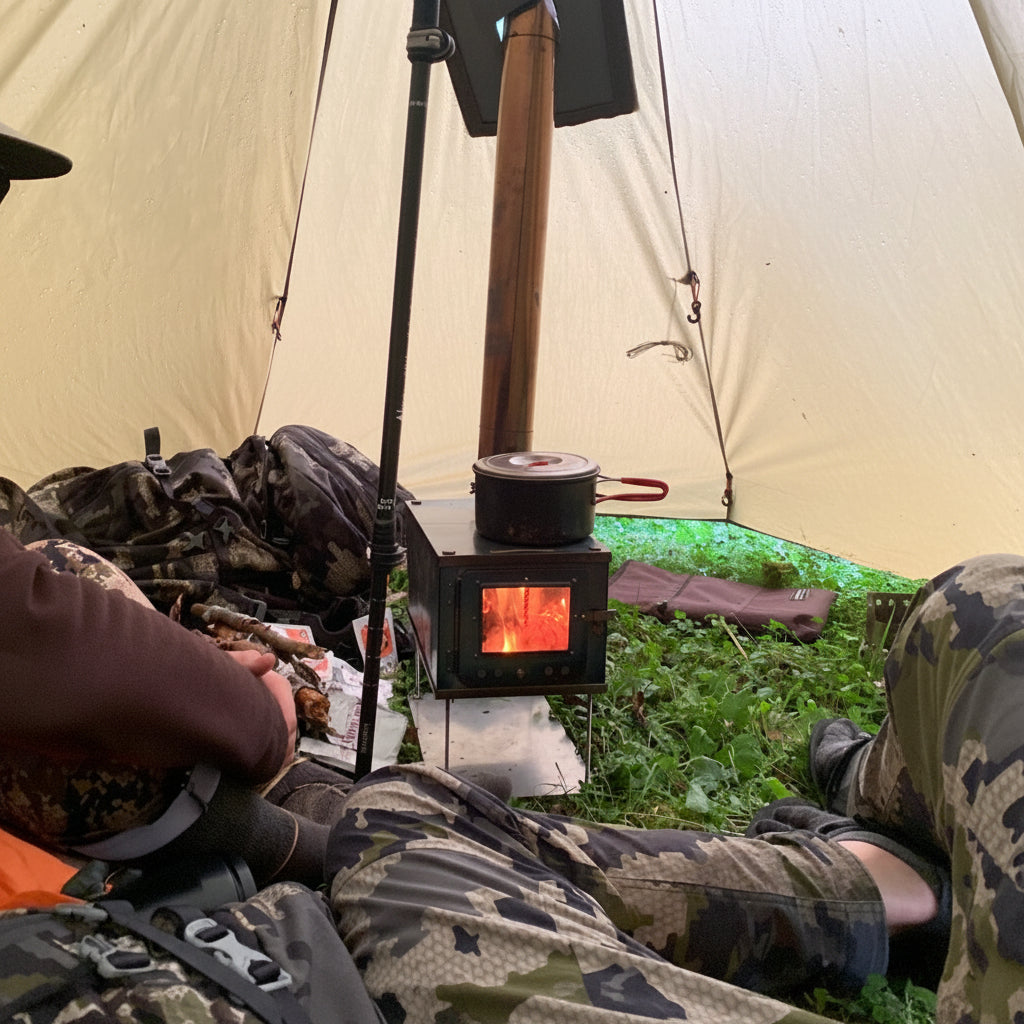
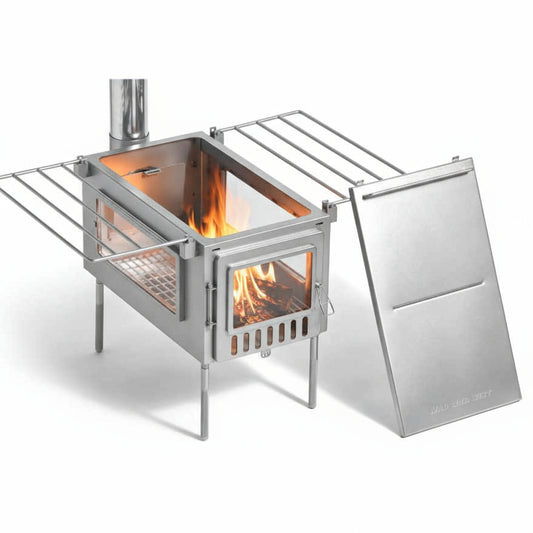
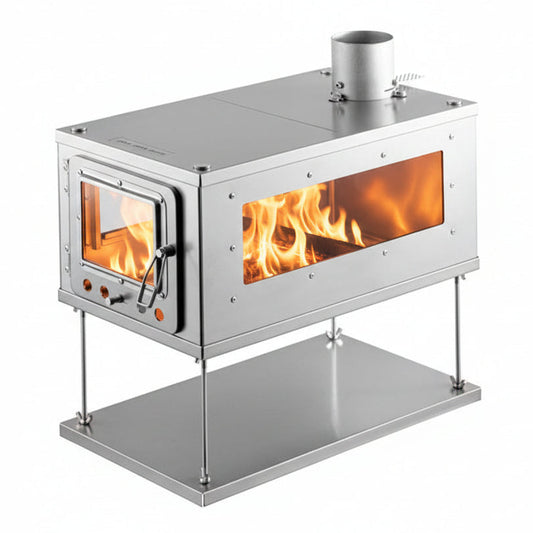
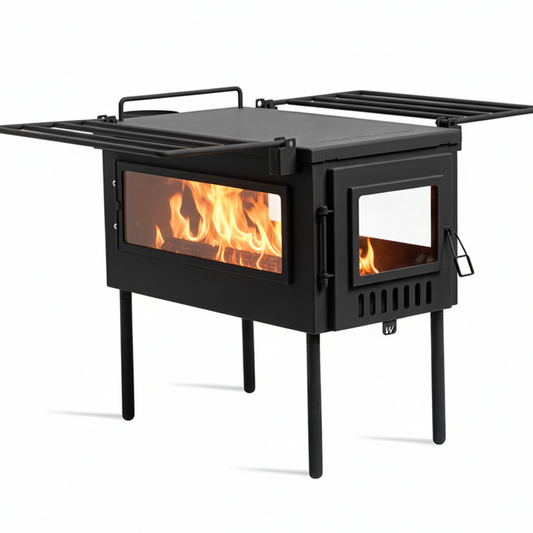
Top 10 Mistakes New Hot Tent Campers Make
Hot tent camping is an incredible way to extend your camping season into the colder months, but it comes with a learning curve. Whether you're new to winter camping or just getting your first hot tent with wood stove setup, avoiding these common mistakes will make your trips safer, more comfortable, and far more enjoyable.

1. Choosing the Wrong Tent Size
New campers often buy tents that are too large, thinking more space equals more comfort. In reality, a bigger tent is harder to heat efficiently and takes longer to warm up. You'll waste fuel and struggle to maintain a comfortable temperature. Choose a tent sized appropriately for your group and wood stove size —just enough room for sleeping and gear storage.
2. Neglecting Proper Ventilation
This is a critical safety issue. A hot tent produces moisture and carbon dioxide, especially when using a wood stove. Without adequate ventilation, you risk condensation buildup, mold growth on canvas, and dangerous CO accumulation. Always ensure your tent has proper airflow, even in freezing conditions. A small vent opening, cracking a door, or floorless tent is essential.
3. Using the Wrong Stove Fuel
Not all fuels are created equal for hot tent camping. Using wet wood, treated lumber, or inappropriate fuel sources can damage your stove, create excessive smoke, and pose fire hazards. Invest or look for in quality, seasoned firewood or the correct fuel type for your specific stove model. Start a fire at home before your first trip to familiarize yourself.
4. Failing to Insulate the Ground
Heat rises, but cold seeps up from below. Many beginners focus on keeping warm from above while ignoring ground insulation. Without proper insulation beneath your sleeping area—whether foam pads, blankets, or groundsheet—you'll lose significant warmth and sleep poorly. Layer your ground protection generously.
5. Overpacking Your Tent
Cramming too much gear into your tent creates clutter, reduces airflow, and increases fire risk. Keep only essential items inside: sleeping gear, a few personal items, and emergency supplies. Store extra gear in a vestibule or outside storage area. A well-organized tent is safer and more comfortable.
6. Ignoring Weather Forecasts and Conditions
Winter weather can change rapidly and unpredictably. Heading out without checking detailed forecasts, wind speeds, and temperature trends is dangerous. Know what conditions you're heading into, and don't underestimate how cold it will actually feel. Overestimate your needs and bring extra layers and fuel.
7. Skipping the Setup Practice Run
Your first hot tent experience shouldn't be in the backcountry during a storm. Practice setting up your tent, lighting your stove, and managing ventilation in your backyard or a nearby campground first. Familiarity with your gear builds confidence and prevents costly mistakes when it matters most.
8. Using Inadequate Sleeping Gear
Even with a hot tent, your sleeping bag and pad matter enormously. A summer-weight bag won't cut it in winter, and a thin pad will leave you cold despite the stove. Invest in a winter-rated sleeping bag (rated for temperatures well below your expected lows) and a high-R-value insulated pad. Your comfort depends on it.
9. Leaving the Stove Unattended
Never leave a burning stove unattended, especially while sleeping. Stoves can malfunction, fuel can spill, or unexpected issues can arise. If you're sleeping, ensure your stove is safely managed—either fully extinguished or water. Safety always comes before convenience.
10. Not Testing Your Setup Before a Long Trip
Don't plan a week-long expedition as your first hot tent adventure. Start with short overnight trips close to home where you can troubleshoot issues, learn your stove's quirks, and build your skills. Once you're confident in your setup and technique, expand to longer, more remote trips.
Hot tent camping rewards preparation and respect for the conditions. Take time to learn your gear, practice in safe environments, and prioritize safety over comfort. With these lessons in mind, you'll be well on your way to mastering winter camping and enjoying the unique beauty of cold-weather adventures.