Top 5 Beginner Tent Wood Stove Users Make
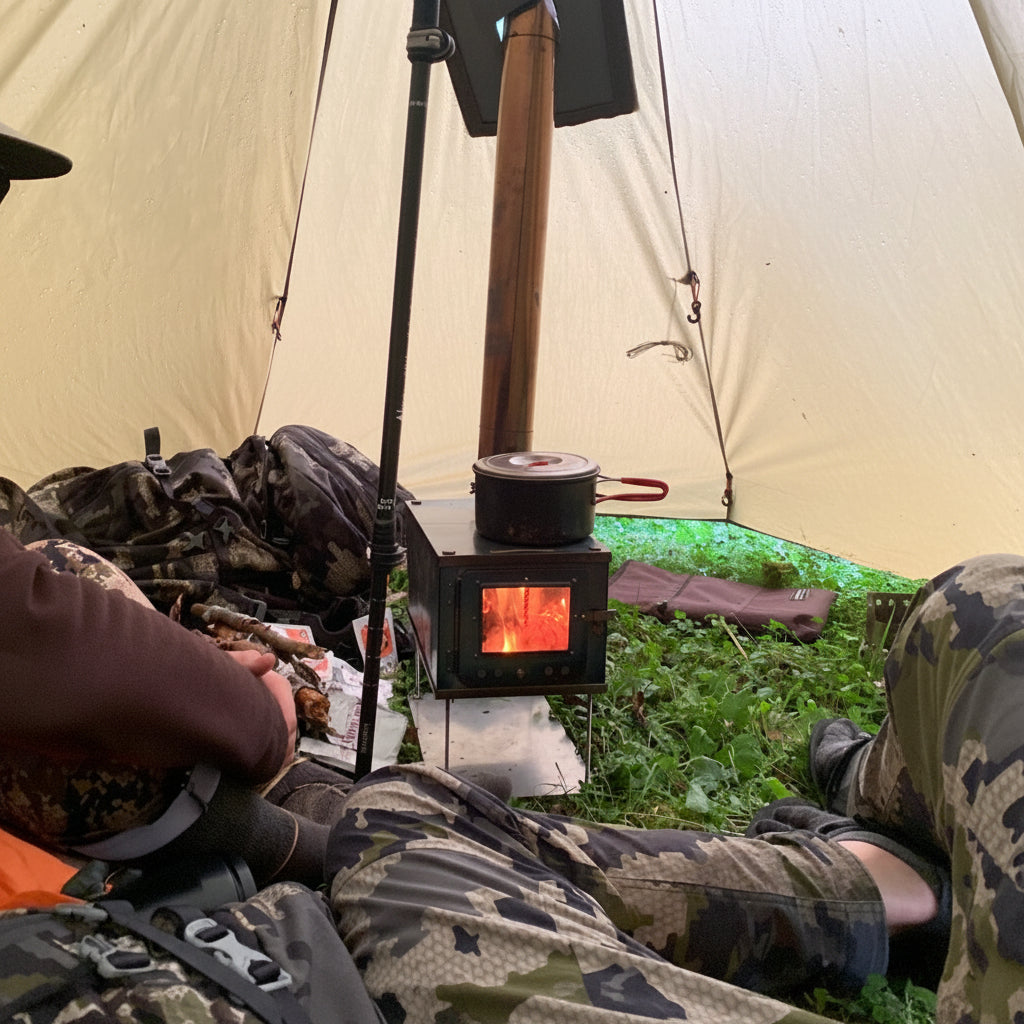
Hot tent camping is an incredible way to extend your season and stay warm in the backcountry—but using a tent wood stove comes with a learning curve. If you're new to tent stove camping, avoiding these five common mistakes will help you stay safe, efficient, and warm.

1. Choosing the Wrong Stove Type for Your Setup
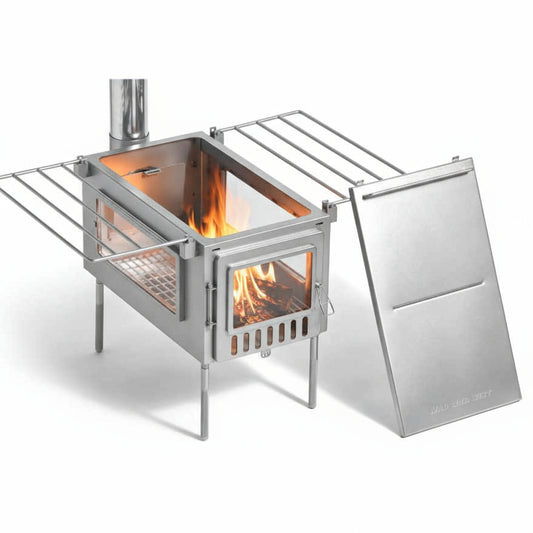
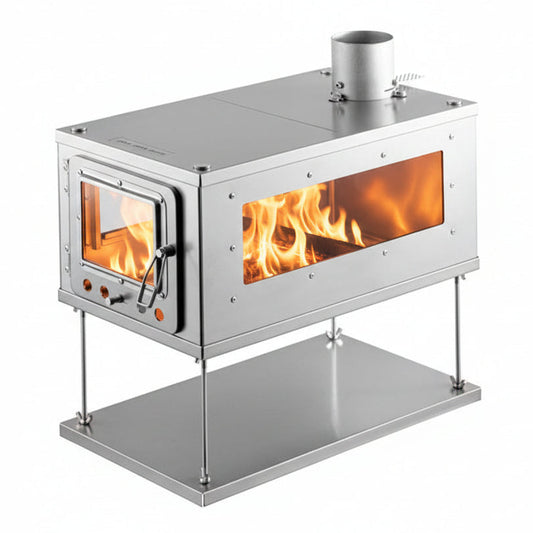
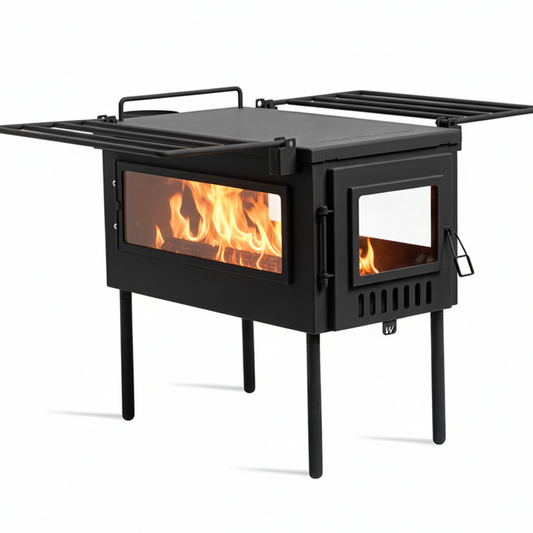
Not all tent stoves are created equal, and matching the right stove to your use case matters. Titanium stoves are built for backcountry adventures where weight and packability are critical. They're durable but designed for ultralight setups and frequent moves. Stainless steel stoves, on the other hand, are ideal for semi-permanent or near-the-truck camps where you can afford the extra weight in exchange for superior heat retention and larger pieces of firewood. Choosing stainless steel for car camping, or titanium for a multi-day backcountry trek will leave you frustrated with performance or hauling unnecessary gear.
2. Skipping Fire Management Skills
Operating a tent stove safely and efficiently requires intentional fire management. The two most critical techniques beginners miss: never overload your firebox—stuffing it full creates dangerous temperatures and uncontrollable burns—and always establish a thick coal bed before attempting to regulate heat. A solid coal bed gives you stable, sustained warmth and makes damper control predictable. Without these fundamentals, you'll struggle with temperature swings and longer burn times.
3. Burning Wet or Improperly Seasoned Wood
Using wet wood is one of the quickest ways to sabotage your tent stove experience. Wet wood produces excessive creosote, poor heat output, and potentially dangerous chimney conditions. Source your firewood from the forest floor—deadfall and branches naturally shed moisture and season faster than freshly cut wood. Dead wood that's been exposed to air for weeks or months is far superior to anything green. The extra effort to find quality, dry fuel pays dividends in warmth and burn times.
4. Setting Chimney Pipe Height Incorrectly
Draft is everything in a tent stove system, and draft depends heavily on chimney height. Your chimney pipe should extend 1 to 2 feet above the peak height of your shelter. This clearance ensures proper air flow, reduces back-drafting, and prevents heat loss. Too short, and you'll fight poor draft and potential smoke infiltration. Too tall, and you risk instability and unnecessary heat loss up the pipe. Get this detail right from the start.
5. Shutting Off Airflow Too Early
Patience is critical when managing a tent stove's damper and air intake. Never restrict airflow until a thick coal bed has fully developed. Closing the damper or choking the air intake too soon starves the fire of oxygen, creates incomplete combustion, and leaves you with a cold stove and a tent full of smoke. Wait until you have a robust bed of glowing coals—this typically takes 30 to 45 minutes—then gradually dial back the air intake to control heat output. Rushing this step is a fast way to frustration.
Master these five fundamentals, and you'll unlock the full potential of tent stove camping. The learning curve is short, but the rewards—warm nights in the snow, extended season adventures, and the confidence to camp year-round—are worth every lesson learned.