Ultralight Backpack Elk Hunting Gear List with Wood Stove
Building an Ultralight Backpack Elk Hunting Camp: Gear Essentials & Weight Breakdown
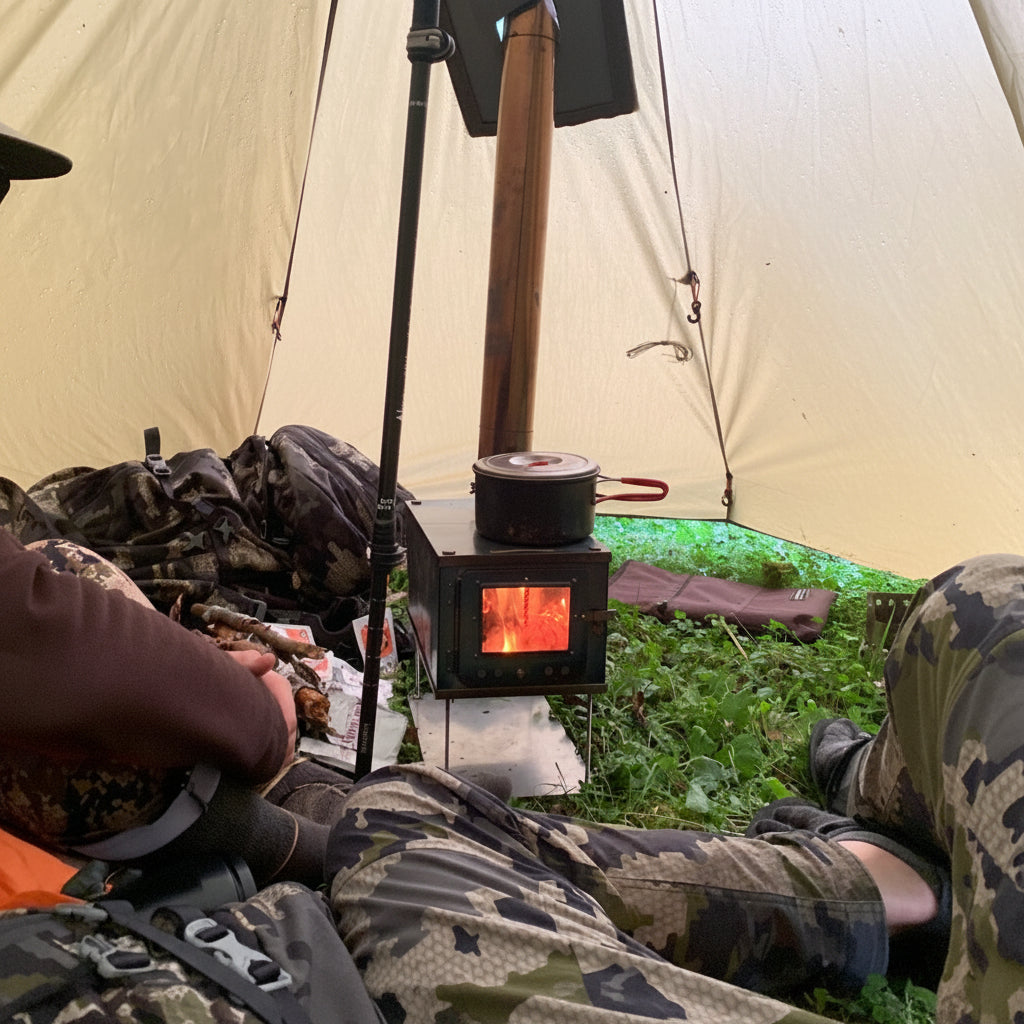
Elk hunting demands endurance, precision, and the right gear. When you're covering miles of rugged terrain in search of bugle calls and fresh sign, every ounce matters. An ultralight backpack setup lets you move faster, climb higher, and hunt longer without sacrificing the essentials that keep you safe and comfortable in the backcountry with a titanium tent stove.
This guide walks you through the core components of a lightweight elk hunting camp and provides a practical spec chart to help you build your own system.

Why Ultralight Matters for Elk Hunting
Elk country is unforgiving. You might start your day at 8,000 feet and end it at 11,000 feet, covering 10+ miles on foot. A traditional heavy camp setup—think car camping gear—will drain your energy and limit your range. Ultralight gear doesn't mean sacrificing comfort or safety; it means choosing purpose-built equipment that does one job well and weighs as little as possible.
The payoff: more ground covered, less fatigue, better decision-making when you're glassing a ridge at sunset.
Core Categories for Your Ultralight Elk Camp
Hot Tent Shelter & Sleep System
A lightweight hot tent setup forms your base. Pair it with a quality sleeping bag rated for the season and elevation, plus an insulated sleeping pad. Together, these three items should weigh under 8 pounds.
Cooking & Water
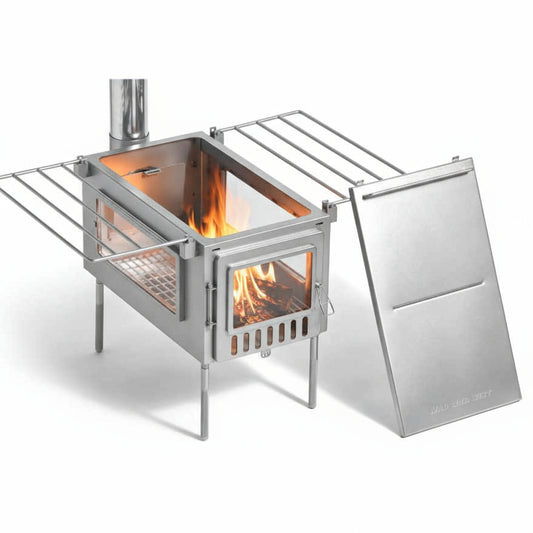
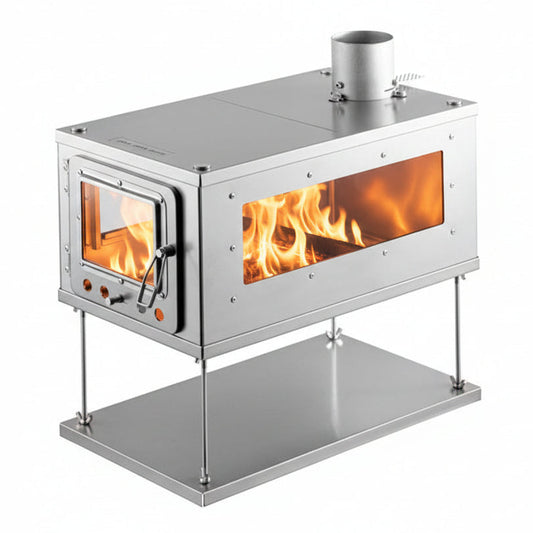
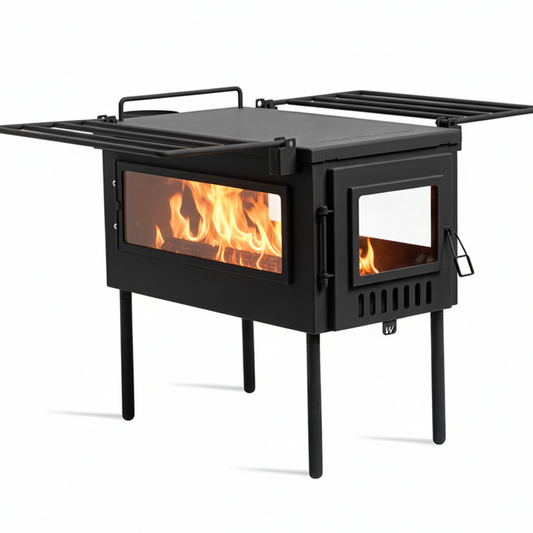
A collapsible tent wood stove, lightweight pot, and reliable water filter or treatment tablets keep you fed and hydrated. In warmer weather conditions, ultralight hunters often skip the heavier wood stove and use a simple alcohol burner or canister stove instead.
Clothing Layers
Merino wool or polyester, and synthetic insulation pack down small and regulate temperature in variable mountain conditions. Focus on a base layer, mid-layer insulation, and a windproof/waterproof outer shell.
Navigation & Safety
Map, compass, GPS device, first aid kit, and a headlamp are non-negotiable. These items are light but critical.
Backpack
A 50–65L pack sized for multi-day hunts should weigh 2–4 pounds empty. Look for framed packs designed for backcountry hunting with quiet fabrics.
Ultralight Elk Camp Spec Chart
| Gear Category | Item | Weight (oz) | Notes |
|---|---|---|---|
| Shelter | Ultralight hot tent | 28–32 | Single-wall or double-wall; includes stakes & guylines |
| Sleep System | Sleeping bag (20°F rated) | 24–28 | Down or synthetic; adjust rating for season |
| Sleep System | Sleeping pad (inflatable) | 12–16 | R-value 3–4; ultralight foam pads weigh less |
| Cooking | titanium tent stove | 32-48 | Renewable fuel source |
| Cooking | Pot & lid (1–1.5L) | 4–6 | Titanium preferred; doubles as mug |
| Water | Water filter or tablets | 2–4 | Squeeze filters are lighter than pump filters |
| Water | Water bottles or bladder (2L capacity) | 3–5 | Collapsible bottles save weight when empty |
| Clothing | Base layer (merino wool-polyester) | 4–6 | Top & bottom; worn, not packed |
| Clothing | Insulation layer (fleece or down) | 8–12 | Lightweight puffies pack small |
| Clothing | Windproof/waterproof shell jacket | 6–10 | Quiet fabrics for hunting; avoid noisy synthetics |
| Clothing | Insulated pants | 10–14 | Worn during hunt; pack lightweight backup |
| Navigation | Map & compass | 1–2 | Essential backup; always carry |
| Navigation | GPS device or smartphone | 3–6 | Garmin or phone with offline maps |
| Safety | First aid kit (minimal) | 4–6 | Blister treatment, pain relief, bandages |
| Safety | Headlamp + batteries | 2–4 | Red light mode preserves night vision |
| Backpack | 50–65L hunting pack | 48–56 | Quiet fabrics and frame |
| Food & Misc | Lightweight food (3 days) | 24–32 | Dehydrated meals, energy bars, jerky |
| TOTAL | Packed weight (without rifle) | 220–280 | Approximately 14–17.5 lbs |
Pro Tips for Going Ultralight
Weigh Everything
Use a digital scale to track gear weight. Small savings add up—replacing a 2-ounce item with a 1-ounce alternative saves 16 ounces over a week-long hunt.
Choose Multi-Use Gear
Your pot becomes your mug. Your pack cover doubles as a ground tarp. Your headlamp has a red-light mode for night hunting.
Prioritize Comfort Over Extreme Lightness
A sleeping pad that weighs 2 ounces more but keeps you warm and rested is worth it. Fatigue and cold compromise your hunting performance.
Test Before You Hunt
Take your setup on a practice trip before opening day. Identify weak points and make adjustments in your driveway, not on the mountain. Set up new gear at home!
Pack Smart
Heavy items (water, food) sit close to your back and high in the pack. Lighter gear goes on the outside. A well-balanced pack feels 5 pounds lighter than a poorly packed one.
Final Thoughts
Building an ultralight elk hunting camp is an investment in your success. You'll move faster, cover more country, and stay fresher when the moment of truth arrives. Start with the essentials, test your system, and refine over time. Every hunt teaches you something about what you truly need and what you can leave behind.
The mountains reward the prepared and the light-footed. Make yourself both.