Using a Tent Wood Stove While It's Snowing Tips and Details
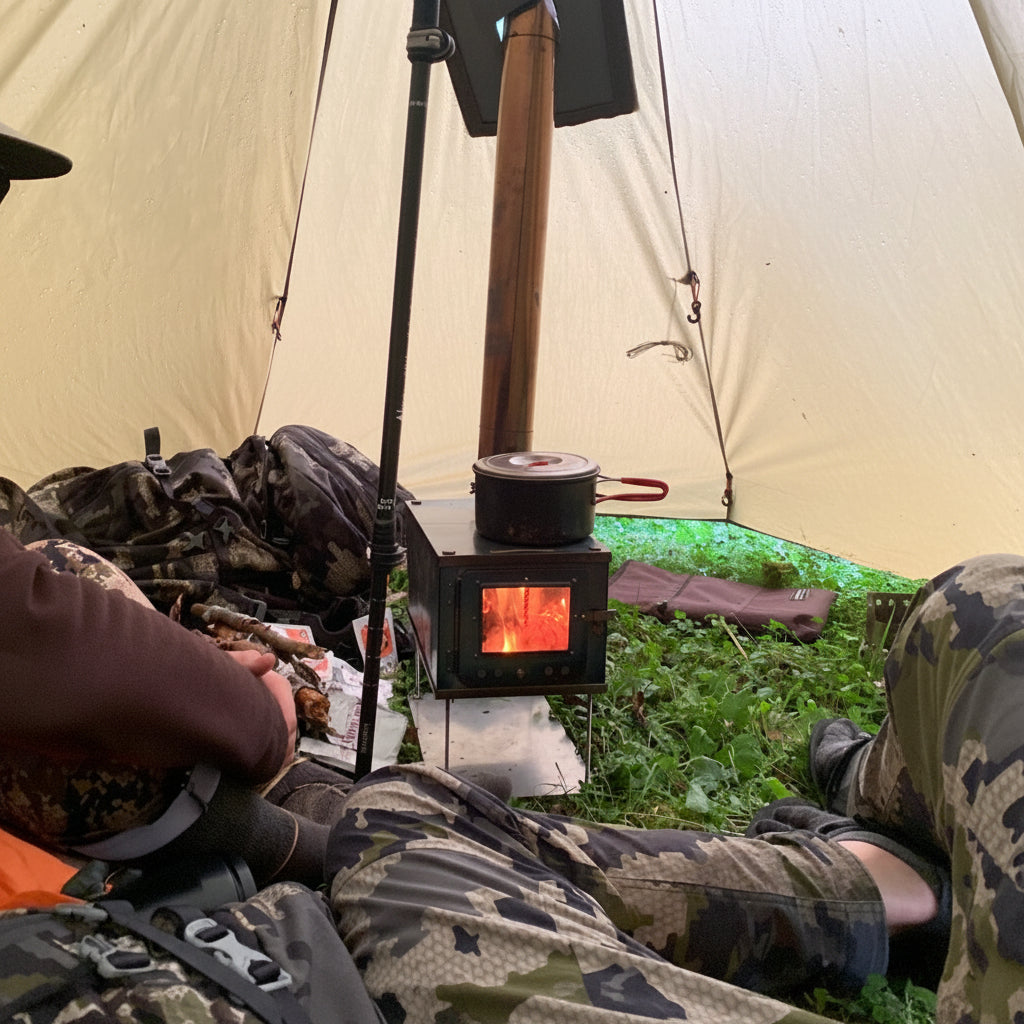
Tent camping in winter conditions presents unique challenges, and one of the most common questions outdoor enthusiasts ask is whether a tent wood stove can operate safely and effectively during snowfall. The short answer is yes—but there are important considerations to keep in mind.

How Snow Affects Stove Performance
A quality tent wood stove will continue to function during snow, rain, and other winter weather. The key is proper installation and tent snow load maintenance.
The stove itself remains unaffected by external snow—the heat generated inside keeps the interior warm and dry. However, the stove jack chimney system requires attention, to make sure the tent walls do not build up heavy snow loads.
Ventilation and Safety in Snow
Proper tent ventilation becomes even more critical during snowy conditions. Your tent must have adequate air intake to supply oxygen to the stove and allow combustion gases to escape safely. Never seal your tent completely to trap heat—this creates a carbon monoxide hazard. A well-designed hot tent setup includes intentional ventilation gaps or vents positioned away from wind direction.
Snow can drift against your tent walls and potentially block ventilation openings. Position your tent to minimize wind exposure, and clear snow away from intake vents before settling in for the night.
Chimney Maintenance During Snow
Before and during your winter camping trip, inspect your chimney pipe regularly. Some campers use chimney caps with spark arrestors designed to shed snow while maintaining proper draft. Ensure your chimney is securely fastened.
Proform daily chimney pipe checks for soot buildup. A few minutes of preventive maintenance can prevent hours of frustration.
Fuel and Combustion in Cold Weather
Dry firewood is essential year-round, but especially in winter. Wet or snow-covered wood produces excessive smoke, creosote buildup, and poor heat output. Store your firewood under a tarp or inside the shelter during the trip. Process extra fuel—cold weather and extended heating needs mean you'll burn more wood than in milder seasons.
Start your fire early to build a thick coal base, and maintain steady heat throughout the night. A well-established fire is less likely to struggle with draft issues caused by less optimal winter conditions.
Bring a Proper Sleep System for Winter Conditions
While your tent wood stove provides reliable heat, it should never be your only defense against winter cold. A quality sleep system is essential for safety and comfort during winter camping.
Invest in a winter-rated sleeping bag rated for temperatures well below what you expect to encounter. A bag rated for 0°F or lower gives you a safety margin and ensures you stay warm even if your stove needs tending or if temperatures drop unexpectedly. Pair your sleeping bag with an insulated sleeping pad—ground insulation is just as important as top insulation, as cold rises from below and can drain body heat quickly.
Layer your sleep setup with thermal base layers, wool socks, and a warm hat. Heat loss through your head is significant, and keeping your core and extremities warm reduces strain on your body throughout the night. Consider a sleeping bag liner for added insulation and easier cleaning.
Even with a stove running, position your sleeping area away from direct heat to avoid overheating or fire hazards. The goal is a balanced thermal environment where your stove supplements your sleep system rather than replacing it. This redundancy keeps you safe if the fire dies down or if you need to step outside during the night.
Setup Tips for Snowy Conditions
Position your tent on level ground away from overhanging branches that could dump snow onto your chimney. Clear the ground around your tent frequently to prevent snow from drifting against walls and blocking vents. Secure your stove and chimney system extra carefully—wind and snow load can create stress on connections.
Test your setup in mild conditions before relying on it during heavy snow. Familiarity with your stove's operation and maintenance will build confidence and safety when conditions are challenging.
Winter camping with a tent wood stove is absolutely possible and rewarding. With proper preparation, regular maintenance, and attention to ventilation, you can enjoy reliable warmth and comfort even during snowfall.