Using a Wood Stove in a Standard Tent Explained
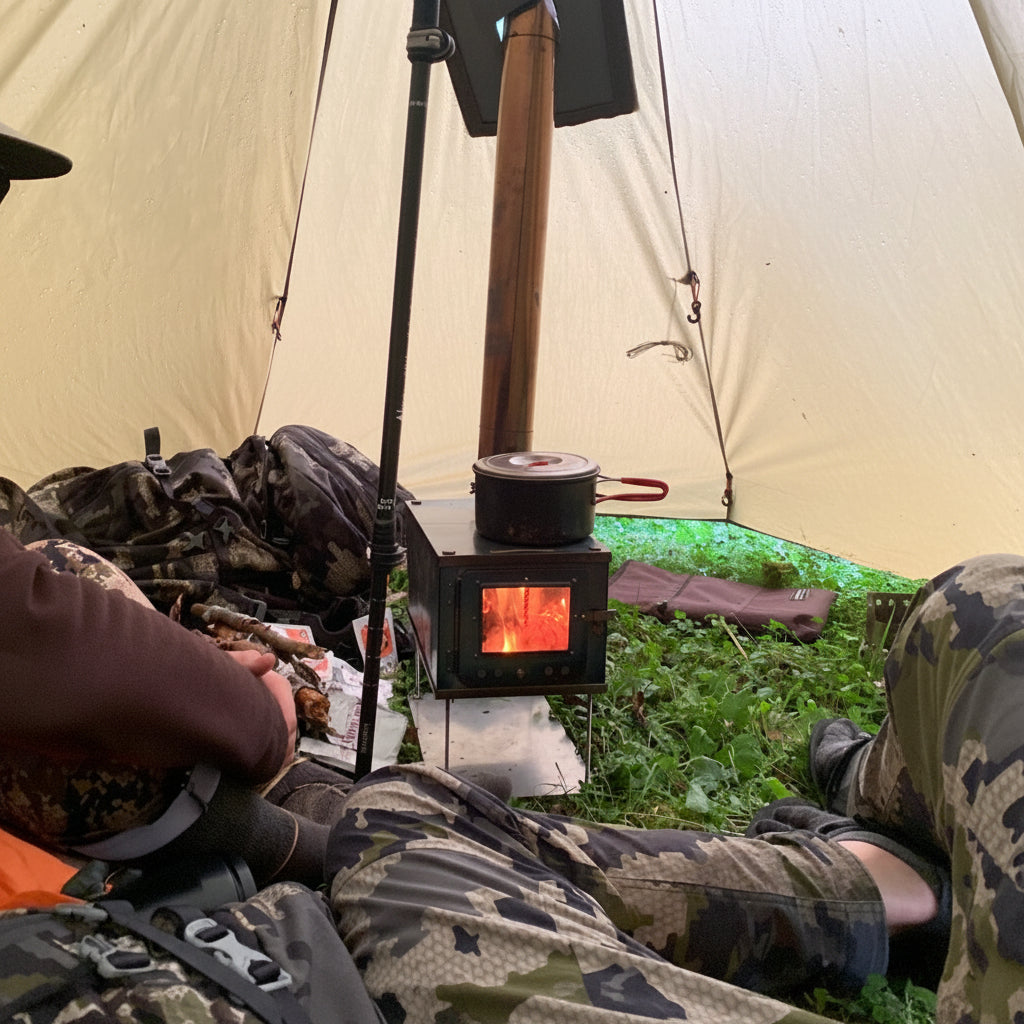
Using a wood stove in a standard tent is possible, but it comes with serious considerations that every outdoor enthusiast should understand before attempting it. While a traditional tent wasn't designed with heating in mind, the right setup—particularly with a stove jack—can make the experience safer and more enjoyable.

Can You Use a Wood Stove in a Standard Tent?
Yes, you can use a wood stove in a standard tent, but it requires modification. The key is that your tent must have a stove jack—a reinforced opening with heat-resistant materials—to safely pass the chimney through the fabric. Without this feature, you're looking at a fire hazard that puts your shelter and safety at serious risk.
If your tent doesn't already have a stove jack, some aftermarket solutions exist, but they're less reliable than factory-installed versions. The simplest approach is to invest in a tent specifically designed for wood stove use, such as a hot tent or canvas tent with a pre-fitted stove jack.
The Critical Importance of a Stove Jack
A stove jack is far more than a convenient feature—it's a essential safety component. Here's why it matters:
- Fire Prevention: A stove jack creates a proper, insulated opening for your chimney pipe. Without it, the hot metal pipe sits directly against or too close to the tent fabric, which can melt the material in minutes. Synthetic fabrics have low melting points and burn easily.
- Heat Management: The stove jack includes heat-resistant materials (typically silicone and fiberglass) that protect the tent fabric from radiant heat. This keeps your shelter intact and extends its lifespan.
- Proper Ventilation: A well-designed stove jack ensures that exhaust gases exit cleanly and that fresh air can enter the tent to feed the fire. Poor ventilation leads to incomplete combustion, carbon monoxide buildup, and reduced heating efficiency.
- Structural Integrity: Stove jacks are reinforced at the stress points where the chimney passes through. This prevents the hole from tearing and maintains the tent's weatherproofing seal.
- Peace of Mind: When you're out in harsh conditions, the last thing you need is to worry about your shelter catching fire. A proper stove jack lets you rest easy and focus on staying warm.
What to Look For in a Quality Stove Jack
If you're shopping for a hot tent or considering upgrading your setup, examine the stove jack carefully. A quality installation should have reinforced heat-resistant fabric or material, and a snug fit around your chimney pipe, but not so tight that the tent can not move freely in wind. The opening should be positioned strategically—typically near the peak or ridge of the tent—to allow smoke to rise naturally and exit efficiently.
Safety Practices When Using a Stove in a Tent
Even with a stove jack, follow these best practices: keep the stove at a safe distance from tent walls, use proper chimney pipe that's designed for your stove, keep flammable items away from the stove, and never leave a burning stove unattended. Ensure adequate ventilation to prevent carbon monoxide accumulation, and always have a fire extinguisher nearby.
A wood stove transforms a tent into a comfortable winter shelter—but only when installed correctly with a proper stove jack. Don't compromise on this critical component. Your safety and comfort depend on it.