Western Style Backpack Deer Hunting with Tent Wood Stove How-to
Why a Tent Wood Stove Changes Everything for Backpack Deer Hunting
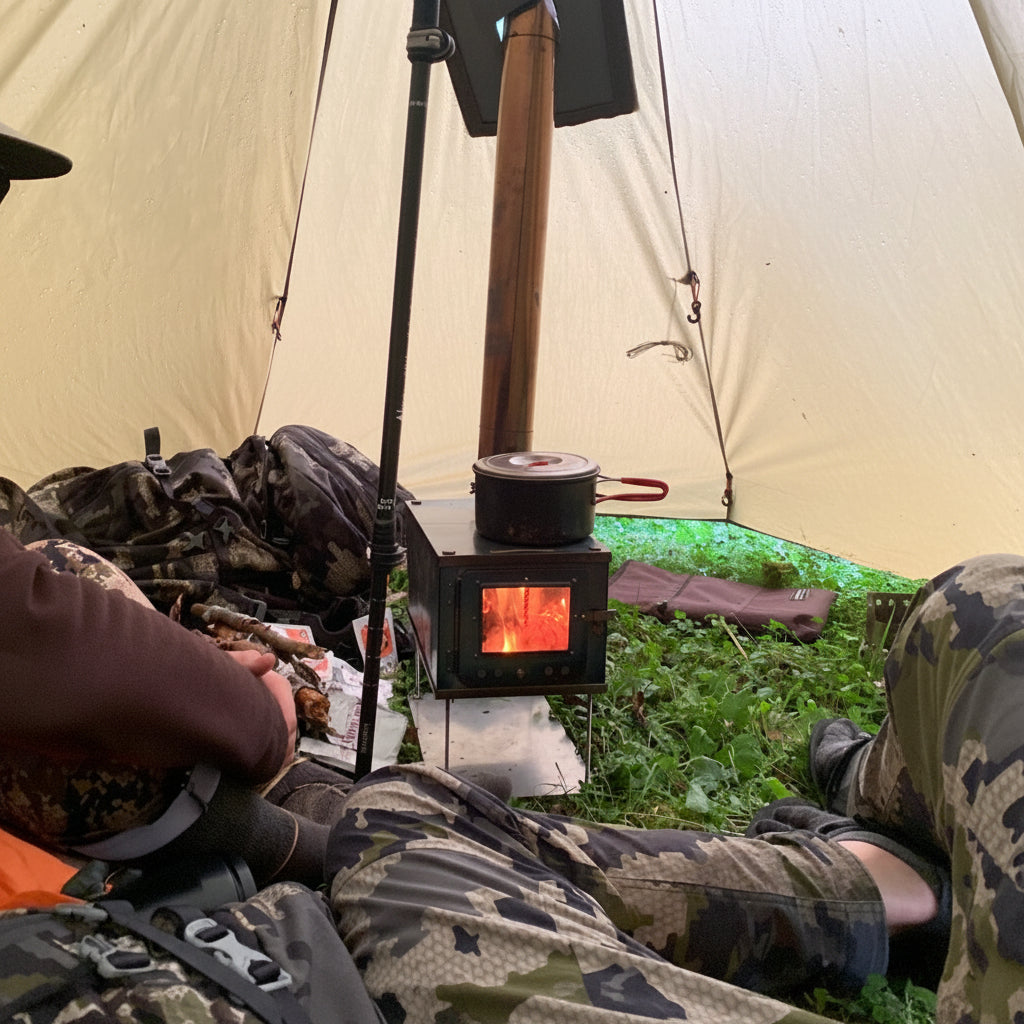
Deer hunting season means early mornings, cold nights, and long hours in the field. If you're backpacking into remote hunting territory, staying warm isn't just about comfort—it's about staying sharp, staying healthy, and maximizing your time in the backcountry. A quality tent wood stove transforms a cold camp into a functional base where you can dry gear, warm up between sits, and recover properly for the next day.
Traditional sleeping bags and layers help, but they have limits. When you're sitting still for hours waiting for deer to move, your core temperature drops fast. A tent stove lets you return to camp, warm up thoroughly, and reset before heading back out. That's the difference between a successful hunt and a miserable one.

Lightweight Design Matters for Backpack Hunts
The biggest challenge with tent stoves is weight. You're already carrying a rifle, ammunition, optics, and enough food and water for several days. A heavy stove can quickly become a burden that isn't worth the benefit.
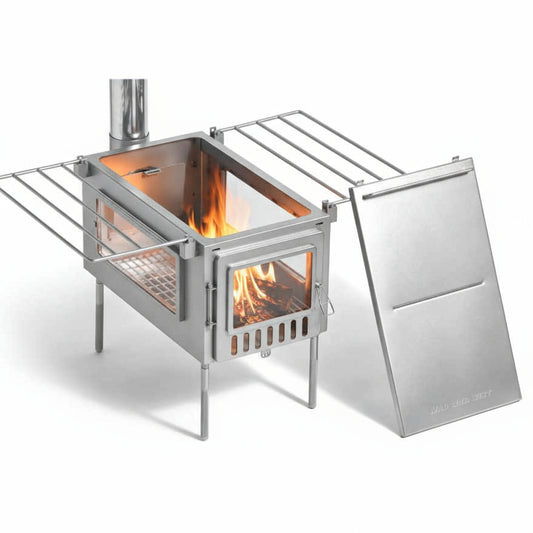
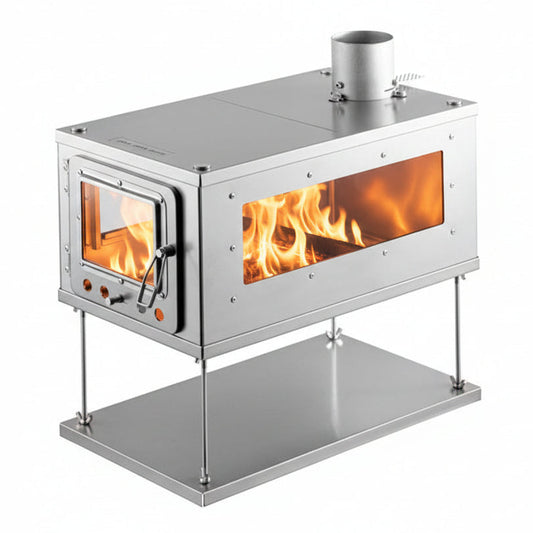
Modern backpack-friendly titanium tent stoves are engineered to be compact and lightweight without sacrificing heat output. Look for models made from durable titanium that pack down small enough to fit in your pack alongside other gear. The best designs use a collapsible or modular construction so you're not hauling a bulky box through the backcountry.
Safety and Ventilation in Your Hunting Camp
Running a wood stove inside a tent requires proper ventilation. Carbon monoxide is a real risk, and you need a stove designed with a chimney pipe that vents safely through the tent wall or roof. Never run a stove in an unventilated space.
Choose a tent stove with a reliable spark arrestor. Your tent fabric should have a fire-resistant stove jack installed. Proper setup takes a few minutes, but it's non-negotiable for safe operation.
Fuel Availability in Remote Hunting Areas
Wood is usually abundant in backcountry hunting zones, which is one of the biggest advantages of a tent stove. Unlike fuel canisters or liquid fuel, you can gather dead wood along the trail and at camp. Dry wood burns cleaner and hotter, so collect and store it under cover if possible.
In alpine or sparse terrain where wood is scarce, a tent stove may not be practical. Know your hunting area and whether fuel will be readily available before committing to this setup.
Choosing the Right Stove for Your Hunt
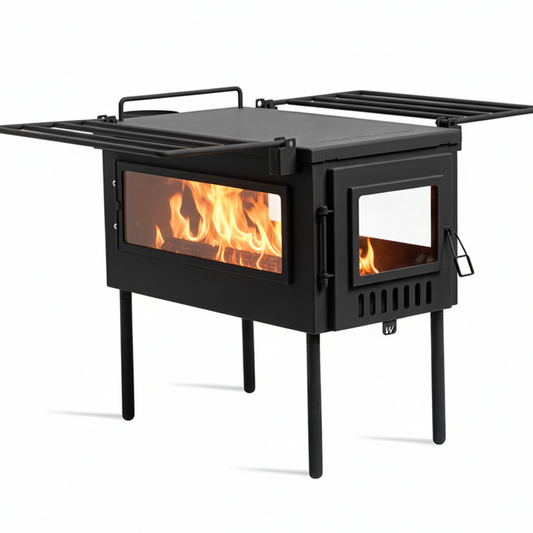
Look for a tent stove that balances heat output, weight, and durability. A stove that produces too little heat won't justify the weight penalty. One that's too large becomes cumbersome and wastes fuel. Mid-range models designed specifically for backpacking and hunting offer the sweet spot.
Consider the footprint of the stove and whether it fits comfortably in your tent layout. You'll want enough space around it for safety, but not so much that you're heating a massive area. A stove sized for a small to medium hot tent or canvas shelter works well for solo or two-person backcountry hunting camps.
Setup and Breakdown in the Field
A good tent stove should assemble and disassemble quickly. You don't want to spend 30 minutes fiddling with pipes and connections when you're tired and cold. Look for designs with intuitive assembly and secure connections that won't rattle loose during transport.
Practice your setup at home before the hunt. Know exactly how the chimney connects, where the spark arrestor goes, and how to safely shut it down. A smooth setup means you get heat faster and can focus on what matters—resting and preparing for the next hunting opportunity.
The Real Advantage: Extended Hunting Season
A tent stove doesn't just make you more comfortable; it extends your effective hunting season. In some regions, early season hunts in September and October are manageable without one, but late-season deer hunting in November and December becomes much more viable when you can reliably warm up between sits. Cold-weather hunting is when mature bucks are most active in rut, and a warm camp gives you the endurance to stay in the field longer.
For serious backpack deer hunters, a quality tent wood stove is an investment in both comfort and success. It keeps you warm, keeps you healthy, and keeps you hunting longer when conditions are toughest.