What to Look for Before Buying Your First Tent Wood Stove
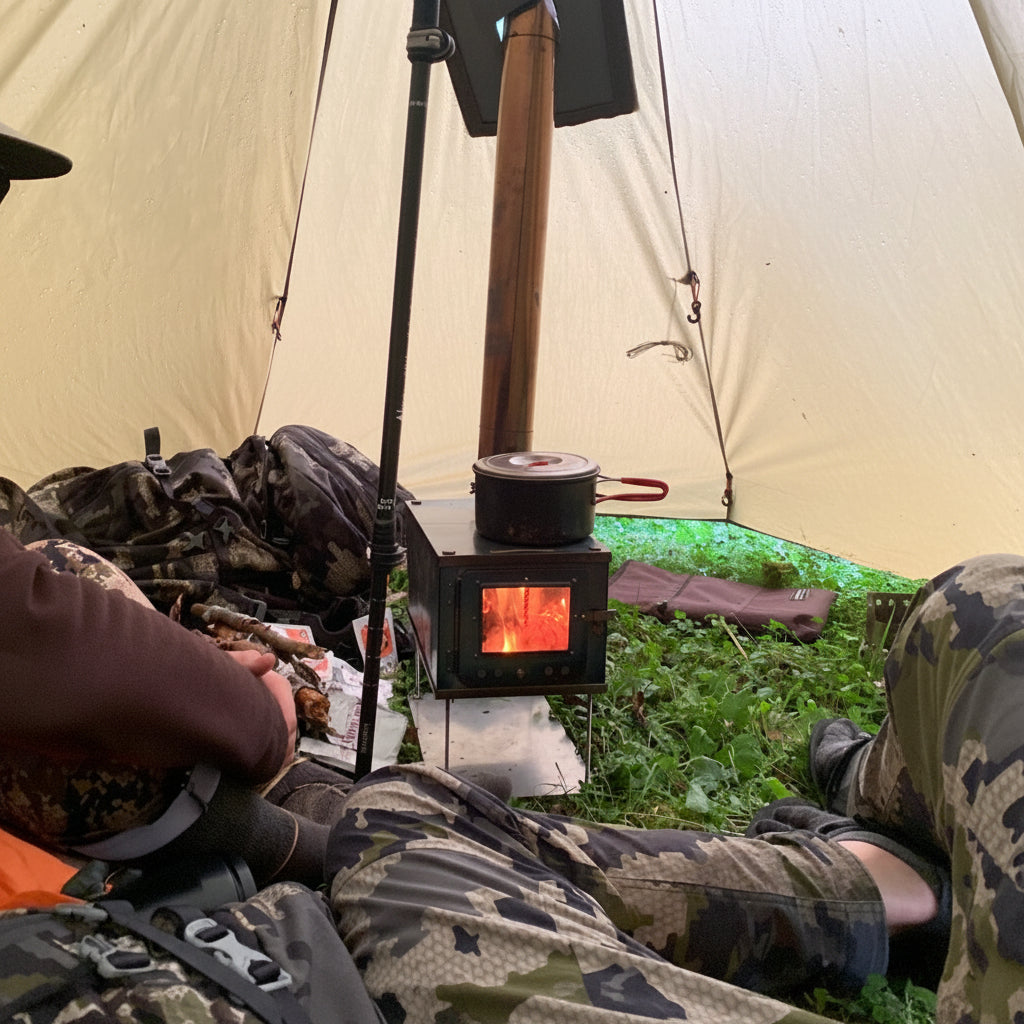
Buying your first tent wood stove is an exciting step toward comfortable backcountry camping, but it's easy to get overwhelmed by options. Whether you're planning winter backpacking trips or year-round adventures, knowing what to evaluate before you commit will save you time, money, and frustration on the trail.

Size and Heat Output
The stove's dimensions and approximate BTU output must match your tent size and climate. A stove that's too small won't heat your shelter adequately on cold nights, while one that's oversized can make your tent uncomfortably hot and waste fuel. Consider the square footage of your tent and the typical temperatures you'll encounter. Manufacturers usually provide recommended heat output ratings—use these as a starting point, but also read reviews from users in similar conditions to yours.
Weight and Portability
Every ounce matters in the backcountry. Weigh the stove itself, then factor in the chimney pipe sections, and any accessories. A lightweight stove is worthless if you won't carry it because it's too heavy. Think about your typical trip duration and terrain—ultralight backpacking demands different compromises than car camping or base camp adventures.
Fuel Efficiency
Wood stoves vary significantly in how efficiently they burn fuel. A well-designed stove extracts more heat from less wood, which means lighter fuel loads and longer burn times. Look for stoves with good draft control, insulated fireboxes, and designs that maximize heat transfer to your tent. This efficiency is very important!
Thickness and Quality of Materials Used in Manufacturing
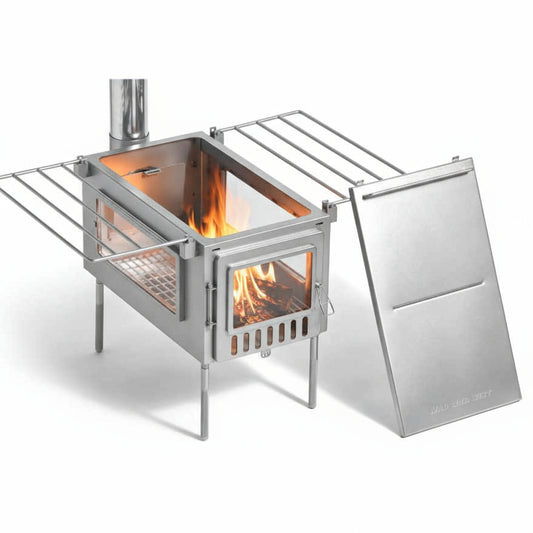
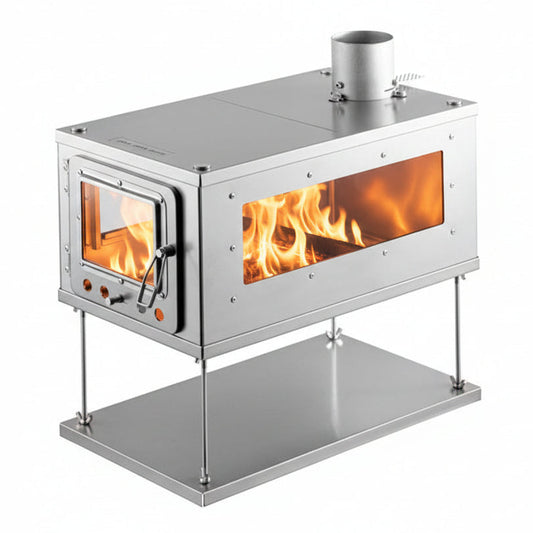
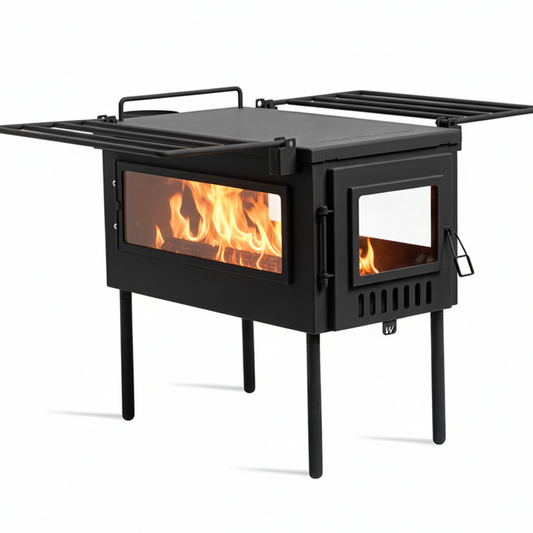
The durability and performance of your tent wood stove depend heavily on the materials and construction quality. Look for stoves made from heavy-gauge titanium or steel —thicker walls retain heat longer and withstand repeated heating and cooling cycles without warping or cracking. Pay attention to seam welds and joints; poor welds are a common failure point that can lead to air leaks, reduced efficiency, and safety hazards.
Quality materials also affect longevity. A stove built from premium steel will resist rust and corrosion better, especially if you're camping in wet or humid conditions. Read user reviews specifically mentioning durability over multiple seasons—this real-world feedback is invaluable. A slightly heavier stove made from quality materials often outlasts a cheaper, lighter alternative by years, making it a better long-term investment for serious backcountry users Don't just make your purchase because of how it looks, or a low price point!