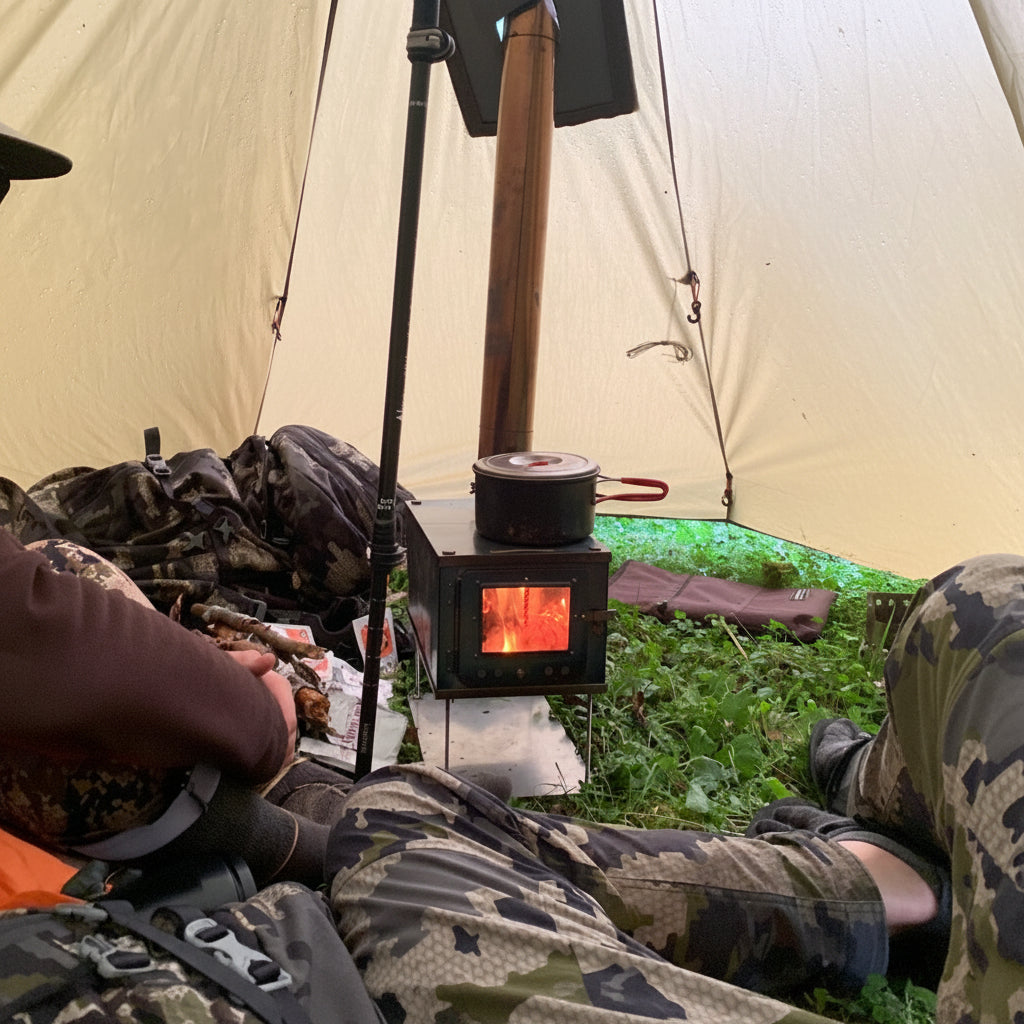
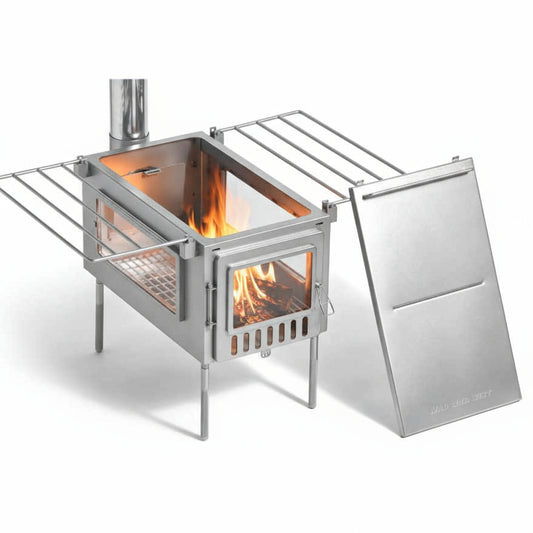
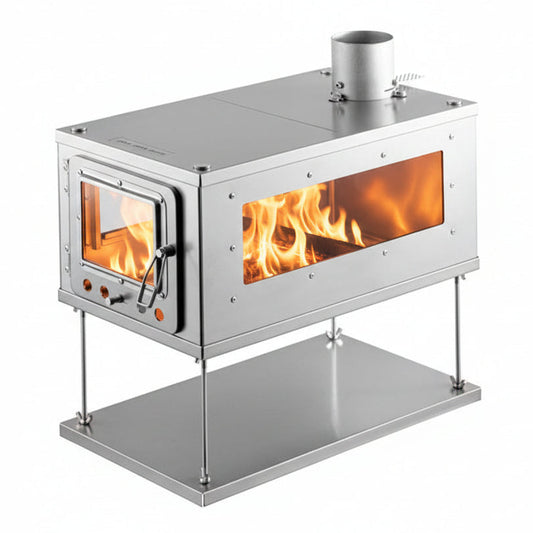
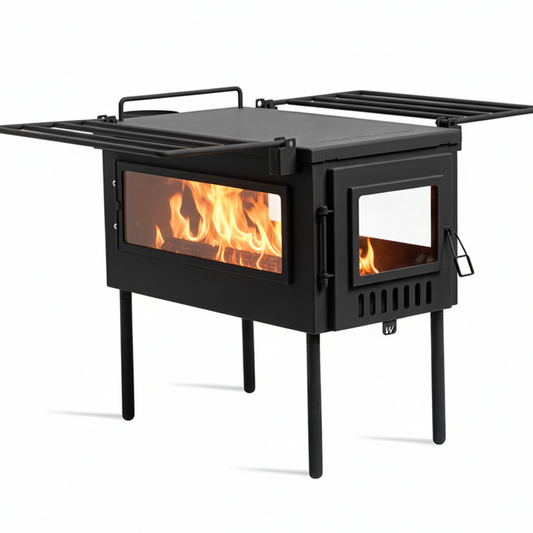
Why Use Tent Wood Stoves vs Propane Heaters Camping
When it comes to heating a tent during camping trips or winter adventures, you have options. Two of the most popular choices are tent wood stoves and propane heaters. While propane offers convenience, a tent wood stove delivers benefits that make it worth serious consideration for anyone who spends time in the backcountry or at base camp.

Superior Heat Output and Efficiency
Wood stoves generate intense, radiant heat that warms a tent quickly and thoroughly. A quality tent wood stove can heat a large tent to comfortable temperatures even in harsh winter conditions. Propane heaters, by comparison, often struggle to maintain consistent warmth in larger spaces or at high altitudes where propane canisters lose pressure in cold weather.
Wood is also a renewable fuel source you can often find on-site, whereas propane requires you to carry heavy canisters and plan refills around your trip schedule.
Moisture and Condensation Issues with Propane
One often-overlooked drawback of propane heaters is the moisture they produce. When propane burns, it generates water vapor as a byproduct of combustion. In an enclosed tent environment, this moisture accumulates quickly, creating condensation on tent walls, sleeping bags, and gear. Over time, this dampness leads to mold growth, compromises insulation, and makes for a genuinely uncomfortable sleeping environment.
Wood stoves, by contrast, burn fuel more completely and vent exhaust through a chimney pipe that exits the tent. This means moisture and combustion byproducts leave the shelter rather than accumulating inside. Your tent stays drier, your gear stays dry, and you avoid the health and comfort issues that come with prolonged exposure to damp conditions.
Reliability in Extreme Conditions
Propane heaters are temperature-dependent. As outdoor temperatures drop, the pressure inside propane canisters decreases, reducing heat output when you need it most. Wood stoves have no such limitation. They perform consistently regardless of how cold it gets outside, making them the more dependable choice for winter camping and remote expeditions.
Cost-Effectiveness Over Time
While a wood stove requires an upfront investment, the long-term savings are significant. You're not continuously purchasing propane canisters. In established campsites or areas where deadfall is available, your fuel is essentially free. Over multiple seasons, this adds up to substantial savings.
Durability and Longevity
A well-made tent wood stove is built to last decades with proper care. Propane heaters have more moving parts and electronic components that can fail. A wood stove is simple, mechanical, and repairable in the field with basic tools.
The Comfort Factor
There's something irreplaceable about the warmth and ambiance of a wood fire. Beyond the practical heat, a tent stove creates a focal point for your camp, allows you to cook and boil water, and provides psychological comfort during long, cold nights in the wilderness.
For serious outdoor enthusiasts, a tent wood stove isn't just a heating solution—it's an investment in reliability, self-sufficiency, and the authentic camping experience.