Will a Small Wood Stove Keep a Tent Warm All Night?
One of the most common questions we hear from cold-weather campers is whether a small tent wood stove can keep a shelter warm through the entire night. The short answer is yes—but success depends on several key factors, including stove size, wood quality, tent fabric insulation, and how you manage the fire.

How Wood Stoves Heat Tents
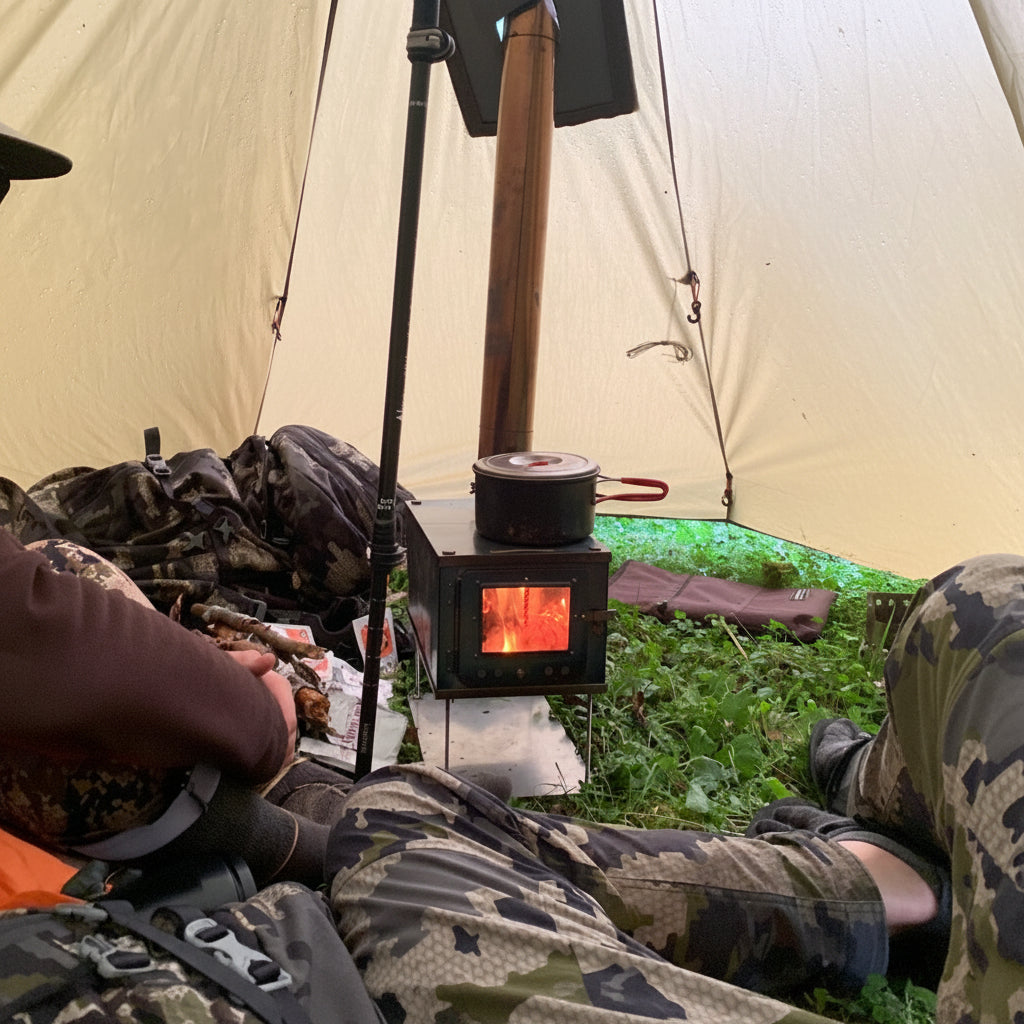
A wood stove works by radiating heat directly into the enclosed space of your tent. Unlike a campfire, which loses most of its warmth to the open air, a stove concentrates that heat where you need it. The metal body of the stove absorbs and radiates warmth, creating a cozy microclimate inside your shelter.
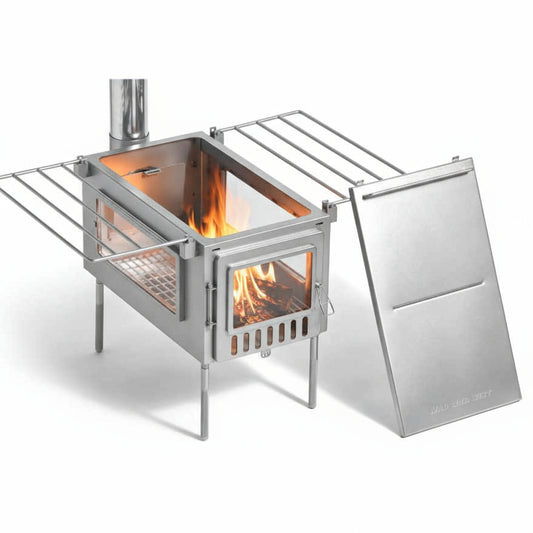
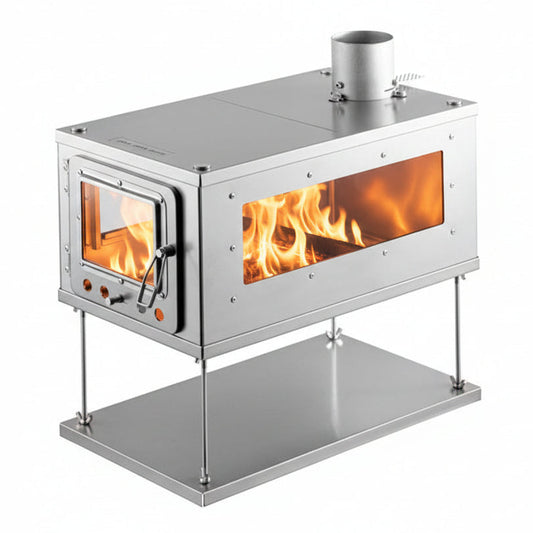
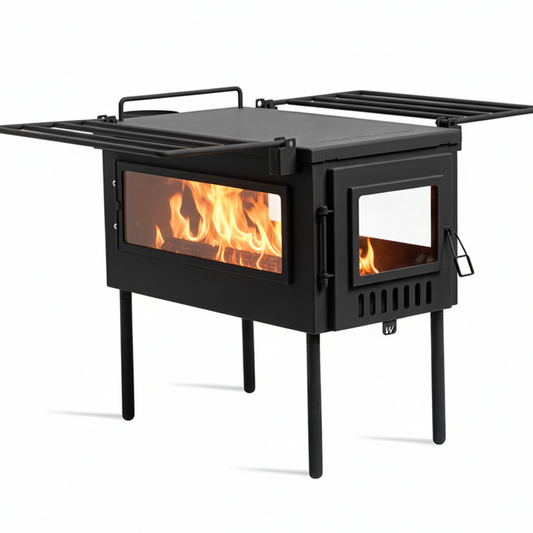
Small stoves—typically weighing between 2 and 15 pounds—are ideal for tents because they're portable and efficient. They heat quickly and can maintain comfortable temperatures in compact spaces without consuming excessive fuel.
The Role of Tent Insulation
Your tent's fabric thickness is critical. A hot tent (a tent specifically designed with a stove jack) will retain heat far more effectively than a standard three-season tent without a stove.
Canvas a heavy-duty fabric provide better insulation than lightweight silnylon. If you're serious about winter camping with a wood stove, investing in a dedicated hot tent is worth considering, but only if the temperatures stay below freezing outdoors. Canvas will mold in the rain, and is more bulky and heavy to carry.
Wood Quality and Fuel Management
Not all firewood is created equal. Seasoned hardwoods like oak, maple, and birch burn longer and hotter than softwoods or wet wood. Wet or green wood produces more smoke, less heat, and can create dangerous creosote buildup in your chimney.
To keep your tent warm all night, you'll need to load the stove with quality wood before bed and ensure proper airflow. Some campers use a combination of larger firewood pieces, and kindling to create a fire that burns steadily through the night without requiring constant attention.
Safety Considerations
Running a wood stove inside a tent requires careful attention to ventilation and carbon monoxide safety. Always ensure your stove has proper clearance from tent walls, use a heat shield if needed, and keep the chimney pipe clear of obstructions. Never seal your tent completely airtight —proper airflow is essential for both safety and stove performance.
A small wood stove can absolutely keep your tent warm all night, provided you have quality fuel, adequate shelter fabric insulation, and follow proper safety protocols. The combination of a hot tent, seasoned wood, and a well-maintained stove creates an efficient heating system that lets you camp comfortably even in cold conditions.