Wood Stove as Campfire Substitute for Overlanding and Car Camping
When you're planning an overland adventure or car camping trip, a wood stove can be one of the most versatile pieces of gear you bring along. Unlike a traditional campfire, a quality wood stove gives you reliable heat, cooking capability, and a focal point for your camp—all while using less fuel and leaving minimal impact on the landscape.

Why Choose a Wood Stove Over a Campfire?
Campfires are iconic, but they come with real limitations. They're unpredictable in windy conditions, difficult to control for cooking, and often prohibited in fire-restricted areas. A wood stove eliminates these headaches. You get consistent heat output, precise temperature control, and the ability to cook meals efficiently. For overland travelers who move between campsites frequently, a stove is also faster to set up and break down than establishing a proper fire ring.
Wood stoves are especially valuable in alpine environments, desert regions, and areas where fire bans are common. They're also safer around your vehicle and gear, with contained flames and predictable heat zones. A wood stove can come with a spark arrestor to use where required.
Wood Stoves During Campfire Burn Bans
Campfire restrictions are becoming more common across popular camping regions, especially during dry seasons and in areas prone to wildfires. When local authorities issue burn bans, traditional campfires are off-limits—but a wood stove often remains a legal and practical alternative (wood stoves can have spark arrestors).
Many jurisdictions distinguish between open campfires and enclosed stoves. Because a wood stove contains flames and controls heat output, it may be permitted even when campfires are banned. However, regulations vary by location and season, so always check local fire restrictions before your trip. Some areas require a spark arrestor on your stove chimney, which most quality camping stoves can accommodate.
This legal advantage makes a wood stove invaluable for spontaneous trips or travel through multiple regions with different fire policies. You're not limited by seasonal restrictions—you can camp, cook, and stay warm regardless of burn ban status. It's one more reason why a wood stove is the smarter choice for modern overlanders and car campers who want flexibility and peace of mind.
Heat and Comfort in Any Season
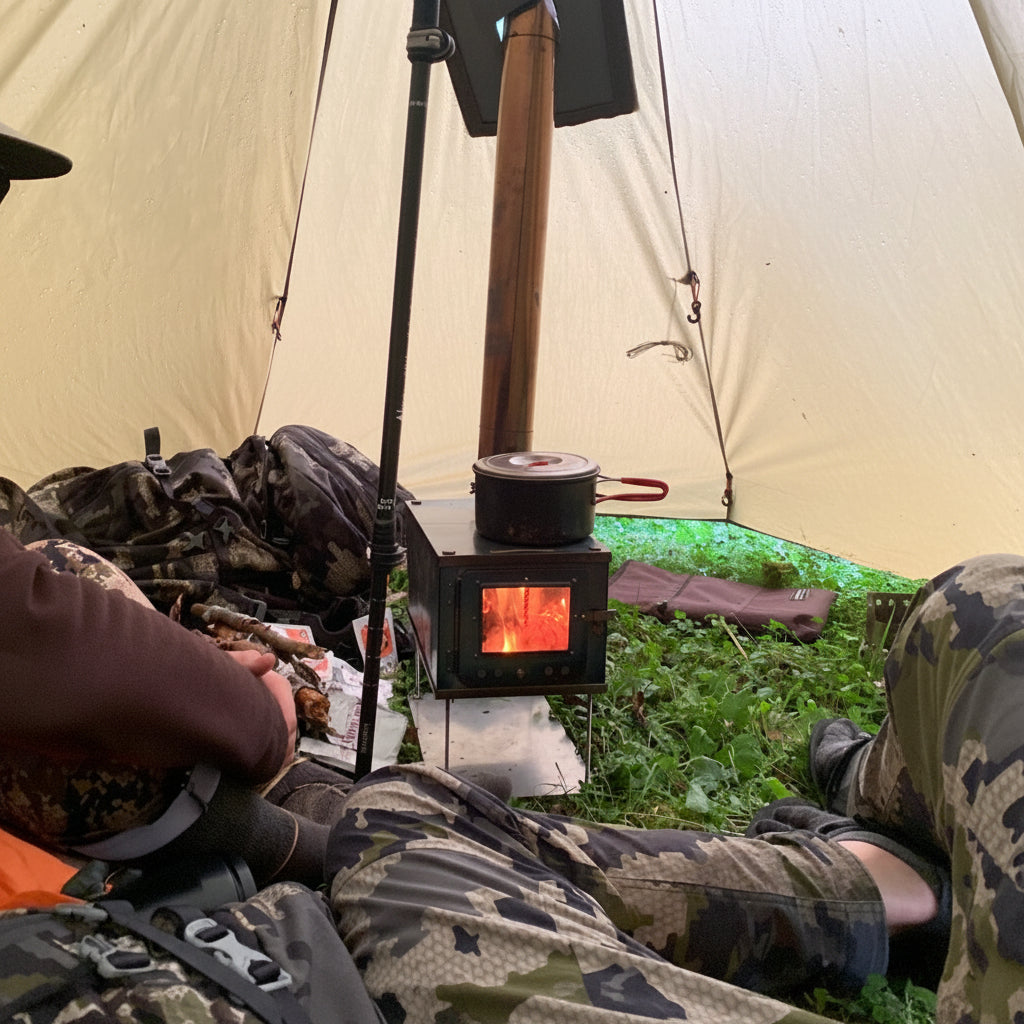
A tent wood stove transforms your camping experience, particularly in shoulder seasons and winter. The radiant heat from a quality stove and ambience of a fire is important for maintaining the camping experience. This extends your camping season and opens up year-round adventure possibilities.
For car camping, a compact wood stove can serve double duty—heating your tent at night and cooking meals during the day. The thermal mass of a well-designed stove means it retains heat longer, so you're not constantly feeding it wood.
Cooking Flexibility
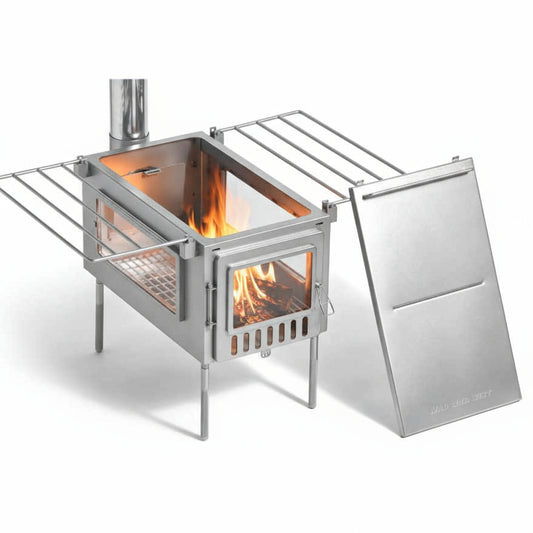
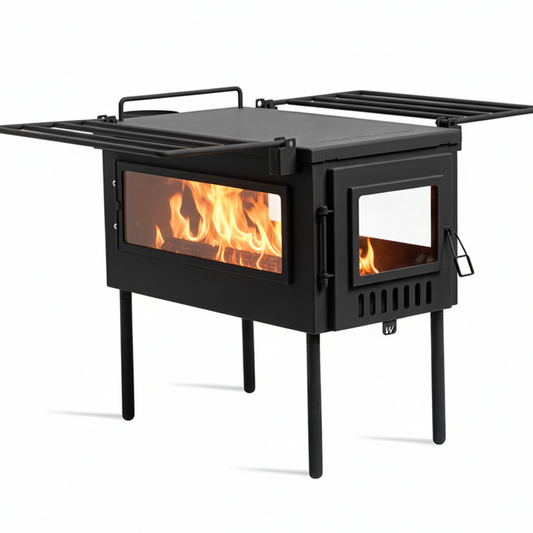
A flat cooking surface on top of your stove lets you simmer soups, boil water for coffee, or fry breakfast without the frustration of managing open flames. You can adjust heat by controlling airflow and wood placement, giving you the precision that campfire cooking rarely provides. For multi-day trips, this efficiency saves time and fuel.
Fuel Efficiency and Sustainability
Wood stoves burn fuel more completely than open fires, meaning you need less wood to achieve the same warmth. This is a practical advantage when you're gathering deadfall at camp. It's also an environmental win—less fuel consumption and a smaller footprint on the landscape.
Setup and Portability
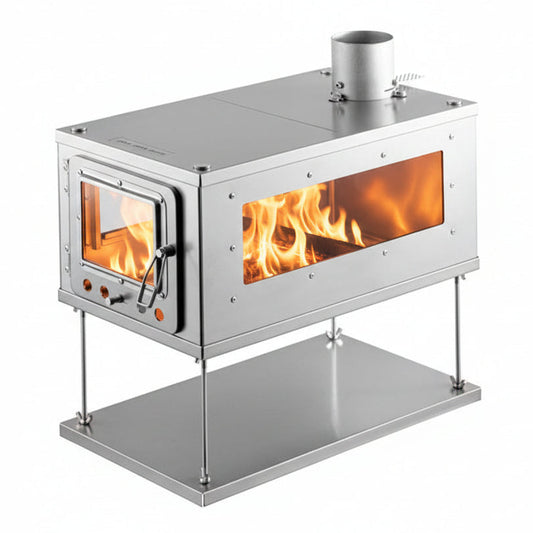
Modern camping stoves are designed to be lightweight and compact. Many break down into manageable pieces that fit easily in a vehicle or pack. Setup typically takes minutes, and cleanup is straightforward—just let ash cool and dispose of it responsibly.
For car camping, you have the luxury of bringing a larger, more feature-rich stove. For overland trips where weight and space may matter, compact models deliver serious performance in a small package.
Leave No Trace Principles and Wood Stoves
Leave No Trace ethics are central to responsible outdoor recreation, and a wood stove aligns perfectly with these principles. By using an enclosed stove instead of an open campfire, you're actively minimizing your environmental impact on the landscape.
Traditional campfires leave visible scars—blackened rocks, compacted soil, and ash scattered across the campsite. A wood stove eliminates this damage. You contain all ash in one place, which you can pack out or disperse responsibly away from camp. There's no fire ring to establish, no vegetation trampled around flames, and no charred ground left behind for the next visitor to see.
Wood stoves also encourage you to use only deadfall and downed wood rather than cutting live branches or trees. Because a stove burns efficiently, you need less fuel overall, which means less harvesting from the landscape. This practice protects the forest ecosystem and ensures campsites remain pristine for future adventurers.
When you pack out your stove and leave no trace of your fire, you're honoring the land and preserving the wilderness experience for others. It's a tangible way to practice outdoor ethics without sacrificing comfort or capability.
The Bottom Line
A wood stove isn't just a campfire replacement—it's an upgrade. It gives you reliability, control, and versatility that open flames simply can't match. Whether you're spending a weekend in the mountains or embarking on an extended overland journey, a quality stove becomes one of your most valued pieces of gear. It's an investment that pays dividends in comfort, safety, and peace of mind every time you camp.