Wood Stoves vs Diesel Heaters for Overland Camping
Tent Wood Stove vs. Diesel Heater: Which Is Right for Your Camping Adventure?
When it comes to heating a tent during cold-weather camping, two options dominate the conversation: wood stoves and diesel heaters. Both have loyal followings in the outdoor community, and for good reason. Each brings distinct advantages and trade-offs to the table. Understanding the differences will help you choose the heating solution that best fits your camping style, budget, and environment.

Tent Wood Stoves: The Classic Choice
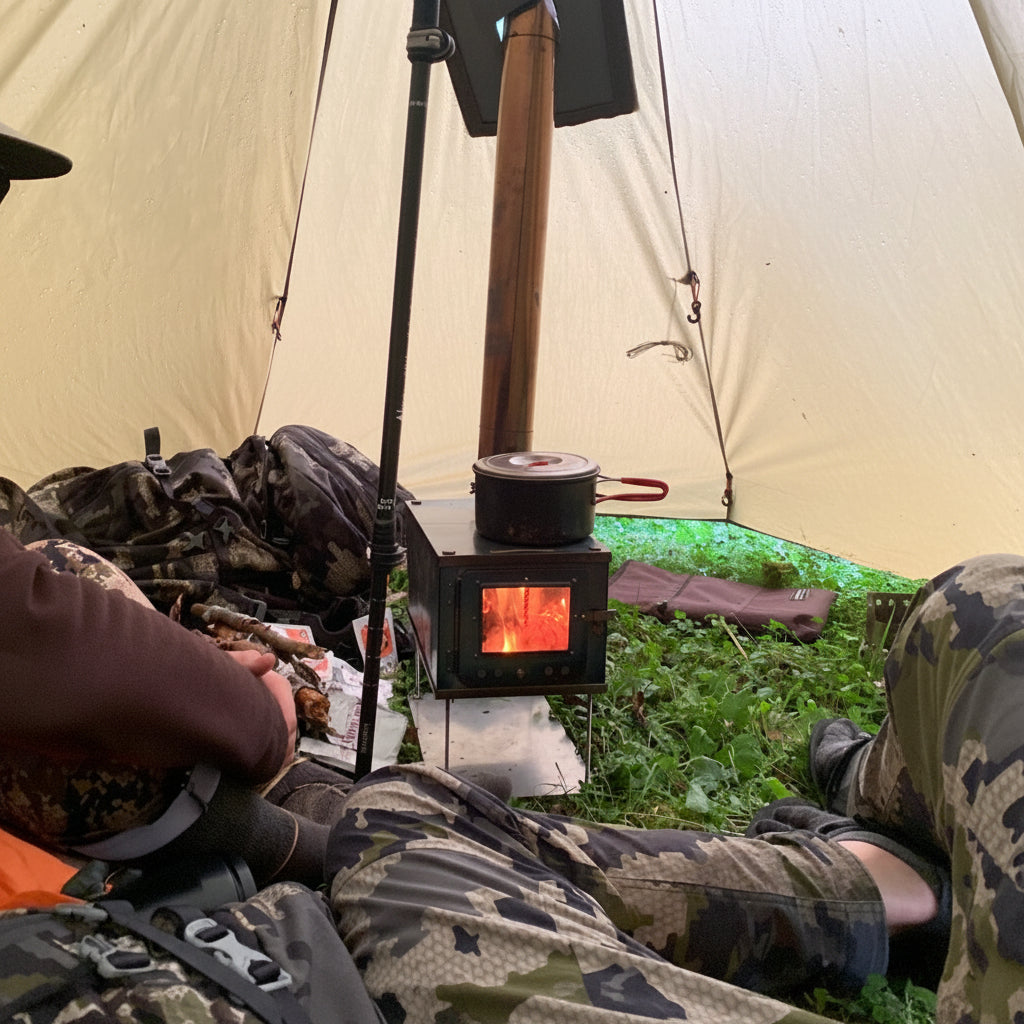
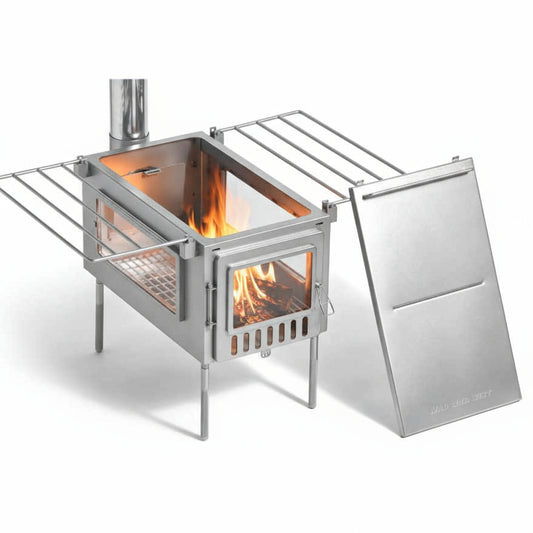
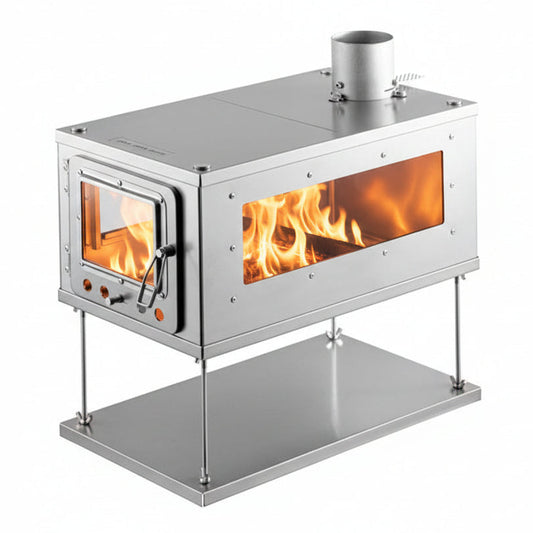
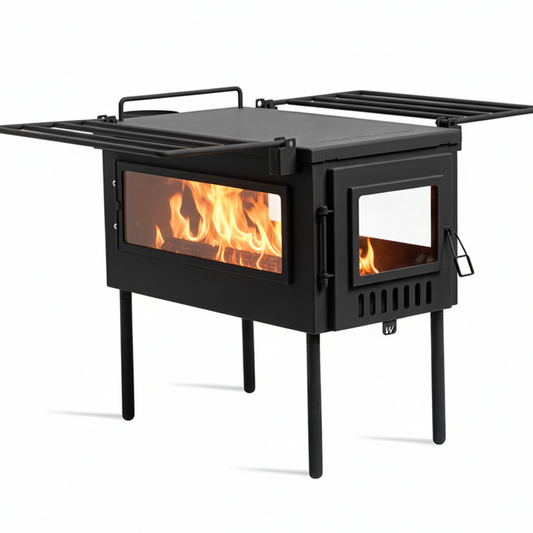
Wood stoves have been heating tents for centuries. They're straightforward, reliable, and deeply connected to the traditional camping experience. A quality tent wood stove uses readily available firewood as fuel, making it accessible in most wilderness settings.
Advantages of wood stoves:
- Fuel is abundant and often free in many camping locations
- No dependency on fuel supply chains or pre-purchased canisters
- Lower upfront cost compared to diesel systems
- Minimal mechanical components mean fewer things to break
- The ambiance and warmth of a real fire creates a unique camping atmosphere
- Works reliably in remote areas without electricity or specialized infrastructure
Disadvantages of wood stoves:
- Requires active management—you need to feed the fire and monitor it
- Produces ash and requires regular cleaning
- Takes longer to reach full heating capacity
- Not ideal for wet conditions when dry wood is scarce
- Requires proper ventilation through tent fabric or a stove jack
- Less precise temperature control
Diesel Heaters: Modern Efficiency
Diesel heaters represent a newer approach to heating. These compact, self-contained units burn diesel fuel to generate consistent, controllable heat. They've become increasingly popular among serious winter campers and expedition teams.
Advantages of diesel heaters:
- Fully automated operation—set the temperature and let it run
- Precise temperature control with thermostat settings
- Extremely fuel-efficient, burning minimal fuel for extended heat
- No open flame means safer operation inside an enclosed space
- Compact and lightweight design takes up minimal space
- Works reliably in wet, snowy, or extreme conditions
- Quiet operation compared to other heating methods
Disadvantages of diesel heaters:
- Higher initial investment for the unit itself
- Requires pre-purchased diesel fuel, limiting flexibility in remote areas
- More complex mechanical system with more potential failure points
- Requires electricity (battery or generator) to operate the control system
- Needs proper exhaust venting to prevent carbon monoxide buildup
- Regular maintenance and occasional servicing may be necessary
Fuel Availability and Cost
Wood is nearly always available if you're camping in forested areas, though regulations vary by location. Diesel fuel requires planning ahead—you'll need to carry it with you or know where to source it near your campsite. Over a season, diesel heaters typically use less fuel than you might expect, but the upfront cost of fuel and the unit itself is higher than a wood stove.
Safety Considerations
Both systems require proper ventilation. Wood stoves need a stove jack or hole in your tent fabric to vent smoke safely. Diesel heaters produce exhaust that must be vented outside to prevent carbon monoxide accumulation. Neither should be operated in an unventilated space. If safety is your priority, diesel heaters offer a slight edge due to the absence of an open flame, though both are safe when used correctly.
Which Should You Choose?
Choose a wood stove if you value simplicity, low cost, fuel independence, and the traditional camping experience. They're ideal for car camping, established campsites, and situations where you have access to firewood and don't mind active management.
Choose a diesel heater if you prioritize convenience, precise temperature control, and reliability in extreme conditions. They're better suited for extended expeditions, overlanding, and situations where you want to set it and forget it.
Your choice ultimately depends on your camping goals, budget, and personal preferences.