Do You Need a Stove Jack to Put a Wood Burner in a Tent?
A stove jack is one of the most important components you'll need when installing a wood stove in your tent. Here's what you need to know about whether you actually need one—and why it matters.

What Is a Stove Jack?
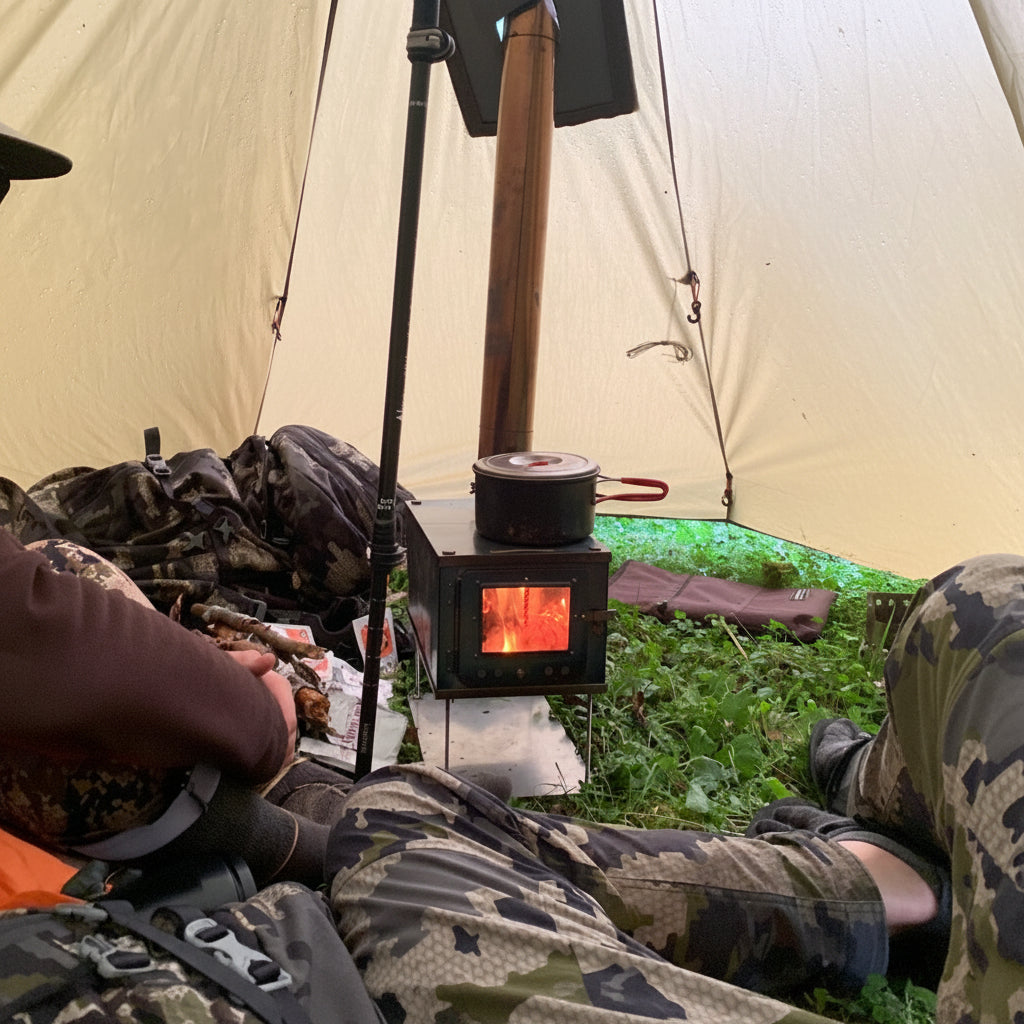
A stove jack is a specialized fabric or silicone-coated opening that's sewn or attached to your tent roof. It's designed to safely accommodate your stove pipe as it exits the tent, creating a heat-resistant barrier between the hot metal pipe and the tent fabric. Think of it as a protective collar that prevents your tent material from melting or catching fire.
Do You Actually Need One?
Yes, a stove jack is essential. Running a stove pipe directly through tent fabric without a jack is a serious fire hazard. The pipe gets extremely hot during operation, and unprotected fabric will scorch, melt, or ignite. A proper stove jack creates the necessary clearance and heat protection to operate your stove safely.
What Happens Without One?
Attempting to install a wood stove without a stove jack puts you at real risk. The tent fabric around the pipe opening will deteriorate quickly from heat exposure. You'll see discoloration, melting, and weakening of the material. In worst-case scenarios, this can lead to fire. Beyond safety, you'll also lose the weatherproofing integrity of your tent, allowing rain and snow to leak directly into your shelter.
Choosing the Right Stove Jack
Stove jacks come in different sizes to match common pipe diameters, typically ranging from 2 to 6 inches. Make sure you measure your stove pipe diameter before purchasing. Some jacks are designed for specific tent models, while universal options work with most canvas or synthetic tents. Look for jacks made from durable, heat-resistant materials that can withstand repeated heating cycles.
Installation Considerations
If your tent didn't come with a pre-installed stove jack, you'll need to have one professionally sewn in or use a self-adhesive option designed for retrofitting. The placement matters too—it should be positioned at the highest point of your tent roof possible for maximum stove heat output efficiency. Proper installation ensures both safety and optimal stove performance.
Bottom line: don't skip the stove jack. It's a small investment that protects your tent, your gear, and most importantly, your safety when running a wood stove in the backcountry.