7 Day Backpack Elk Hunt in the Dark Forest with Wood Stove
Elk hunting in remote backcountry demands preparation, patience, and the right gear. A 7 day backpack hunt deep in the dark forest tests your endurance and self-reliance, but the reward—a successful harvest in pristine wilderness—makes every ounce of weight and every cold night worthwhile.

Planning Your Route and Timeline
Study topographic maps and identify water sources, saddles, and ridges where elk naturally travel. Plan your entry and exit routes to minimize disturbance and maximize your chances of encountering bulls before other hunters do.
Break your journey into manageable daily distances—typically eight to twelve miles depending on elevation gain and terrain. This pace allows you to hunt actively while covering ground, rather than rushing to a distant camp and losing hunting days to travel fatigue.
Wood Stove Setup and Camp Efficiency
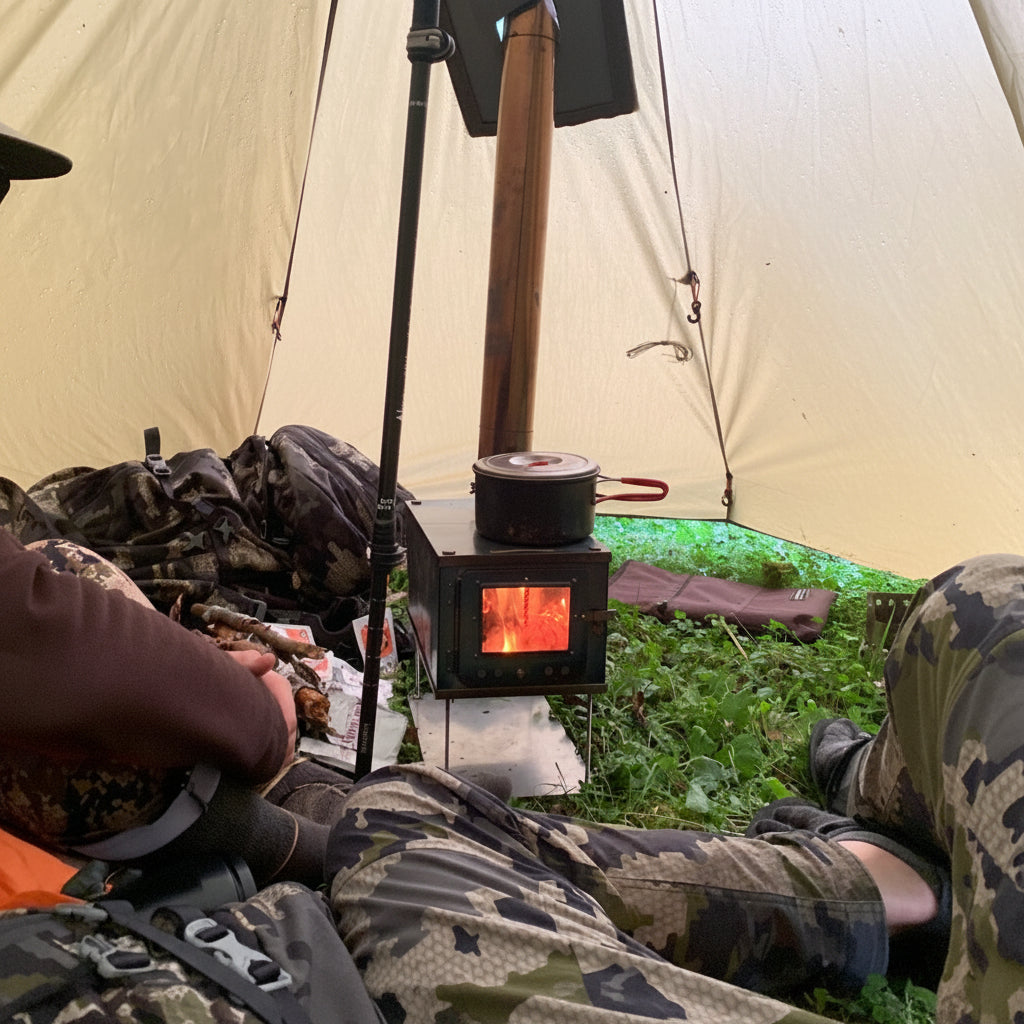
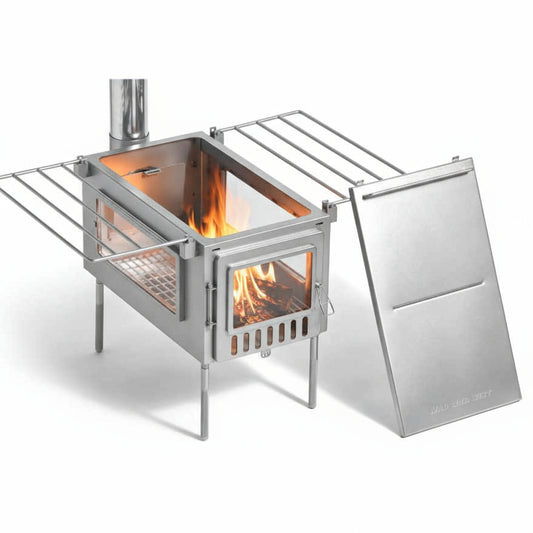
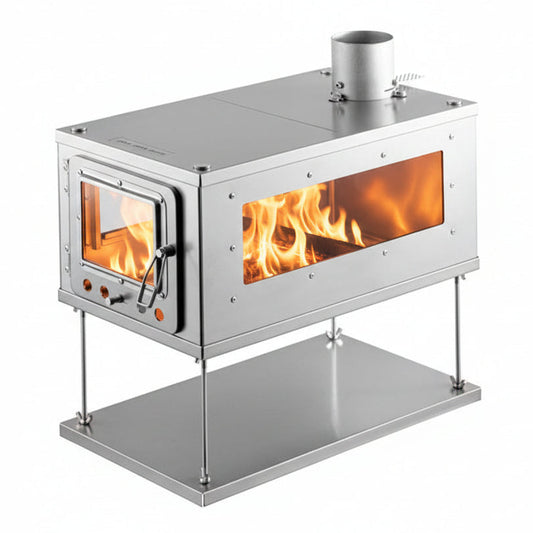
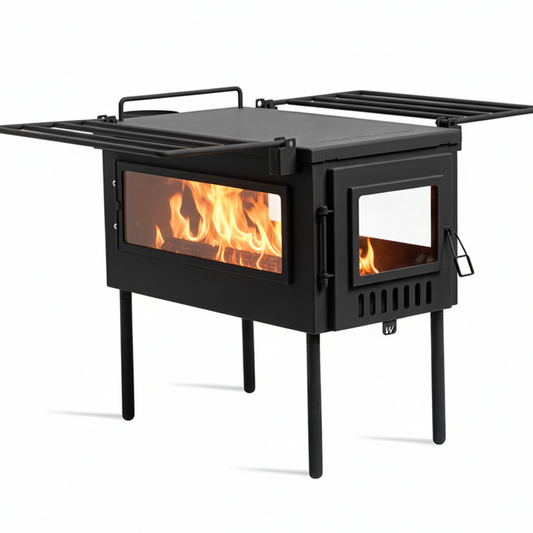
A titanium wood stove becomes your lifeline in the dark forest. Choose a model designed for backpacking— collapsible, compact, durable, and capable of burning small branches and deadfall you'll find on the forest floor. Set up your stove on a level, cleared patch away from your sleeping area and tent, with adequate clearance from overhanging branches and dry vegetation.
Gather firewood while your in camp not hunting. Dead standing timber and fallen branches provide fuel without requiring you to cut live wood. Split kindling into pencil-thin pieces for quick ignition, and collect larger pieces for sustained heat during cold nights. Store dry wood under a tarp or inside your tent vestibule to keep it ready for evening fires.
Use your stove not only for warmth but also for melting snow, heating water for meals, and drying damp gear. A hot meal and warm drink at dusk restore morale and body heat after long hours in the field.

Hunting Strategy in Dense Timber
Dark forest elk hunting requires a different approach than open-country glassing. Focus on calling, raking and stalking through thick timber where bulls bed and feed. Early mornings and late afternoons are prime—bugle or cow call to locate bulls, then move quietly toward their response.
Travel slowly and deliberately, stopping frequently to listen and glass small openings. Fresh tracks, rubs, and wallows indicate recent activity. When you hear a bull, plan your stalk carefully; wind direction is critical in dense cover where elk rely heavily on scent.
Expect to cover less ground than you would in open country, but your odds of close encounters increase significantly. Patience and stealth matter more than speed.
Managing Weight and Nutrition
Every pound counts on a seven-day backpack hunt. Prioritize high-calorie, lightweight foods: jerky, nuts, energy bars, instant oatmeal, and dehydrated or real food meals. Bring enough calories to sustain your activity level—hunting burns far more energy than casual hiking.
Pack a reliable water filter or purification tablets to access streams and springs, reducing the weight of carried water. In cold weather, staying hydrated is as important as staying warm.

Gear Essentials for Extended Backcountry Hunting
Beyond your wood stove, prioritize a quality sleeping bag rated for temperatures well below what you expect. Layered clothing—merino wool base layers (dry climates) or polyester (wet climates), insulating mid-layers, and a waterproof outer shell—keeps you functional in variable conditions. A headlamp with extra batteries is essential for navigating in darkness and processing game if you're successful.
Bring a sharp knife, game bags, and a small pack for packing out meat. A first aid kit, map, compass, and GPS device are non-negotiable safety items. Consider a satellite communicator for emergency contact if you're hunting far from cell service.
Outdoor Safety and Self-Reliance
Hunting alone in remote forest demands respect for the environment and honest assessment of your skills. Tell someone your planned route and expected return date. Carry a whistle, know how to navigate by map and compass, and understand how to signal for help if needed.
Weather can change rapidly in the mountains. Monitor conditions and be prepared to shelter in place or exit early if storms threaten. Your safety always takes priority over filling a tag.
The Ultimate Reward
A successful 7 backpack elk hunt in the dark forest represents the pinnacle of self-sufficient hunting. The combination of solitude, challenge, and the possibility of encountering a mature bull in his domain creates memories that last a lifetime. Proper preparation, quality gear, and a wood stove to warm you through cold nights transform a grueling expedition into an unforgettable wilderness experience.