Do You Need a Wood Stove to Go Winter Camping?
Winter camping is one of the most rewarding outdoor experiences, but it comes with unique challenges—especially when it comes to staying warm. Many newcomers wonder whether a tent wood stove is actually necessary, or if other heating methods can do the job. The short answer: it depends on your setup, climate, and comfort level. But a quality wood stove can be transformative for winter camping.

What a Wood Stove Does for Winter Camping
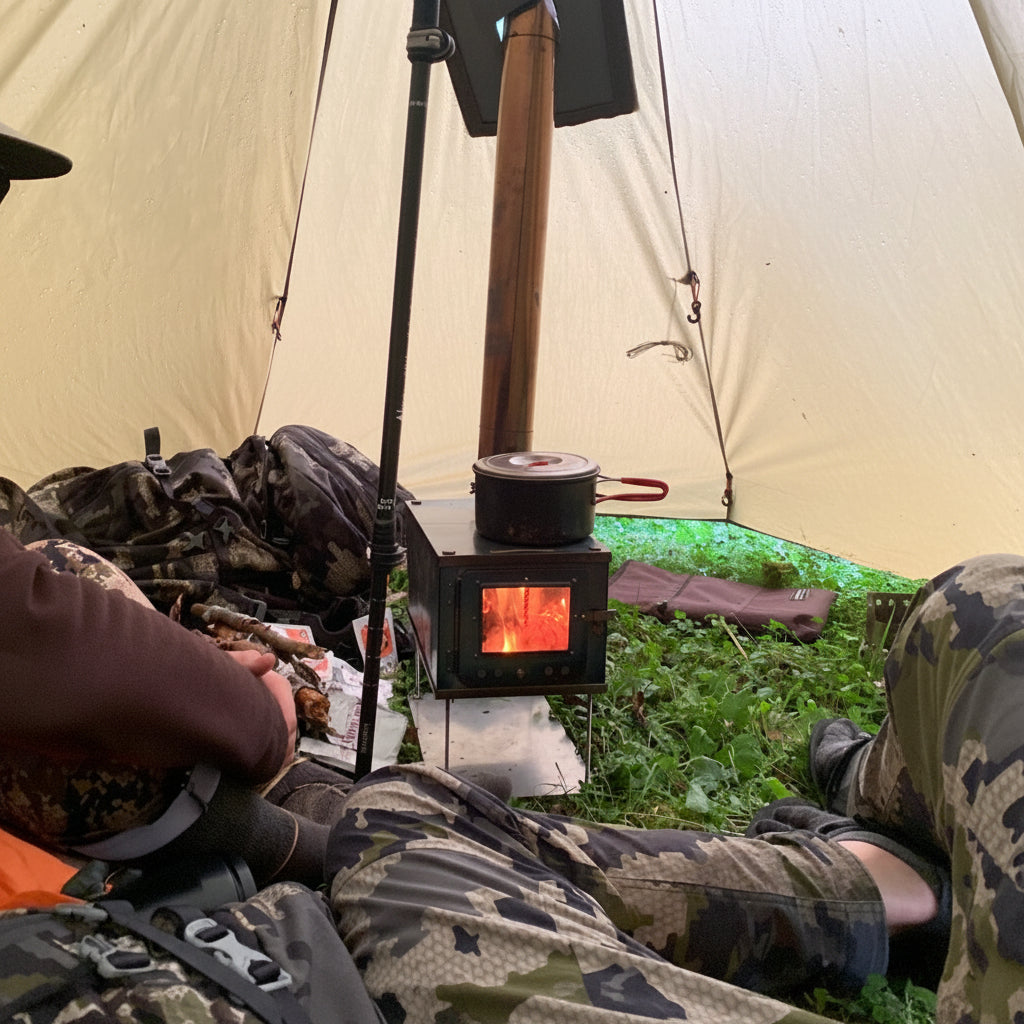
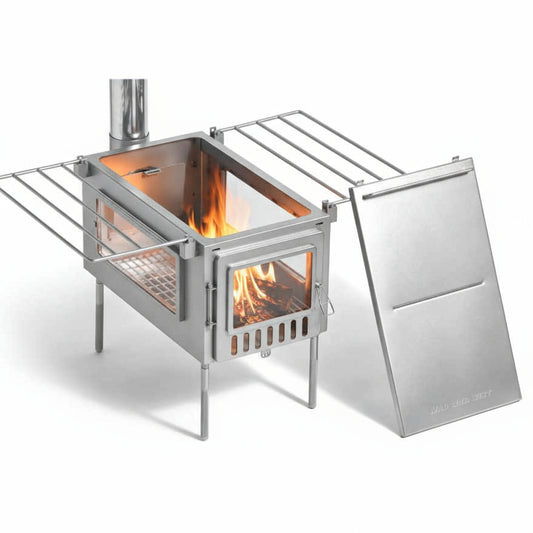
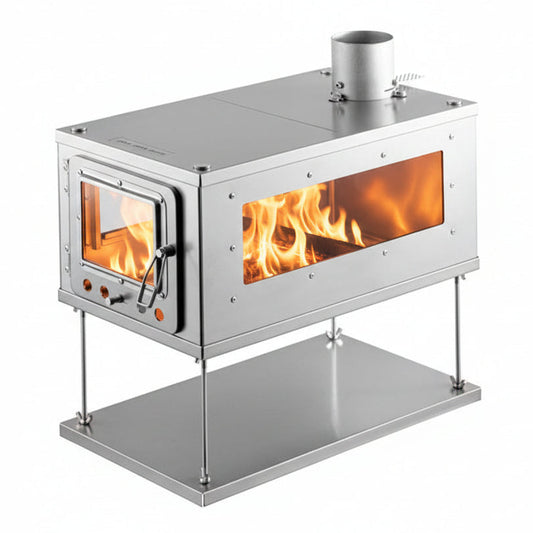
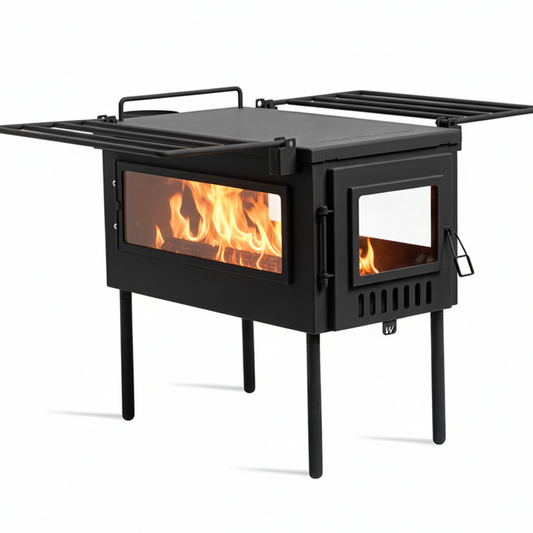
A wood stove in your winter tent does more than just provide ambient heat. It creates a warm microclimate inside your shelter, allows you to dry gear and clothing, melts snow for water, cook real food on the stovetop, and gives you a focal point for camp life during long, cold nights. Unlike passive insulation alone, an active heat source lets you maintain comfortable interior temperatures even when the outside air drops well below freezing.
The psychological benefit is significant too. A glowing stove transforms your tent from a dark, cold shelter into a cozy camp hub where you can cook, socialize, and recover from the day's exertion.
Can You Winter Camp Without a Wood Stove?
Yes, but with limitations. Winter camping without a stove relies heavily on insulation, quality sleeping gear, and smart site selection. A four-season tent, a premium sleeping bag rated well below your expected temperatures, and thermal layers can keep you alive and reasonably comfortable. Many winter backcountry skiers and mountaineers do exactly this.
However, you'll face trade-offs: restricted ability to dry wet equipment, and less margin for error if temperatures drop unexpectedly. You're also limited to backpacking style meal plans.
When a Wood Stove Makes a Real Difference
A wood stove becomes nearly essential if you're planning extended trips or camping in extremely cold regions. If you're car camping in winter or operating a semi-permanent base camp, a stove elevates comfort dramatically and opens up your activity options.
The Practical Considerations
If you choose to go with a wood stove, proper setup is critical. You'll need a tent designed for stove use—one with a reinforced stove jack. You'll also need fuel (dead wood at your site) and shelter from wind. Stove safety requires ventilation, clearance from fabric, and responsible fire management.
The weight and bulk of a stove system is worth considering too. A complete setup with chimney pipe and stakes adds meaningful pounds to your pack if your backpacking under humann power.
The Bottom Line
You don't absolutely need a wood stove to winter camp safely—but it dramatically improves comfort, capability, and peace of mind, especially for longer trips or colder climates. If winter camping is becoming a regular part of your outdoor life, investing in a quality stove and a compatible tent is one of the best upgrades you can make. For occasional winter trips in moderate conditions, excellent insulation and sleeping gear may be enough. Know your limits, plan accordingly, and choose the system that matches your ambitions and skill level.