Eating Up Too Much Firewood while Burning a Tent Wood Stove Explained
Tent wood stoves are efficient heaters, but they can consume firewood faster than traditional fireplaces or outdoor fire pits. Understanding why helps you manage fuel consumption and get more value from your heating setup.

High Heat Output Demands Continuous Fuel
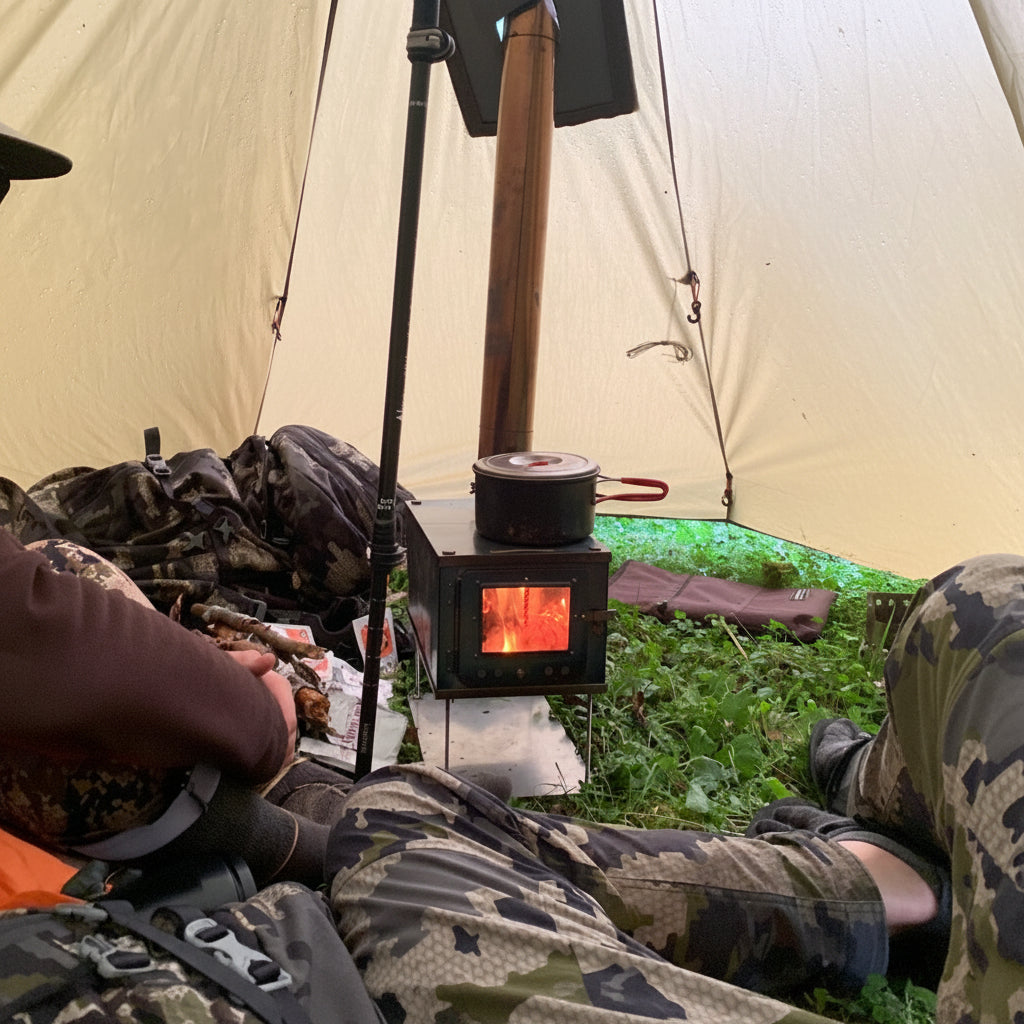
Tent stoves are designed to generate intense, concentrated heat in a confined space. Unlike an open campfire that radiates warmth in all directions, a stove channels heat directly into your tent through its metal body and chimney. This efficiency comes with a trade-off: to maintain that high output, the stove must burn fuel more aggressively. A hotter fire burns through wood faster than a smoldering one.
Smaller Firebox Capacity
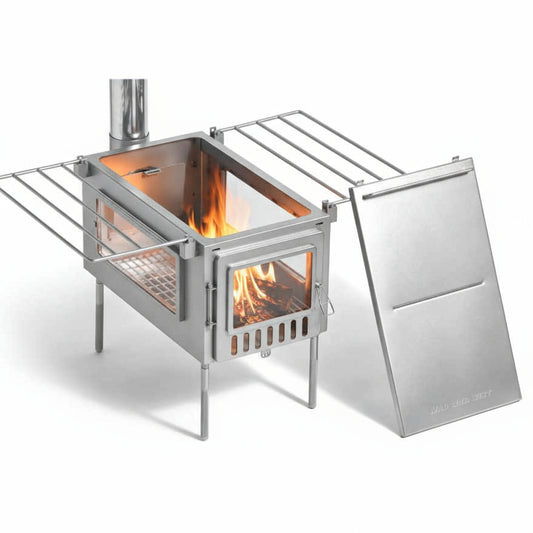
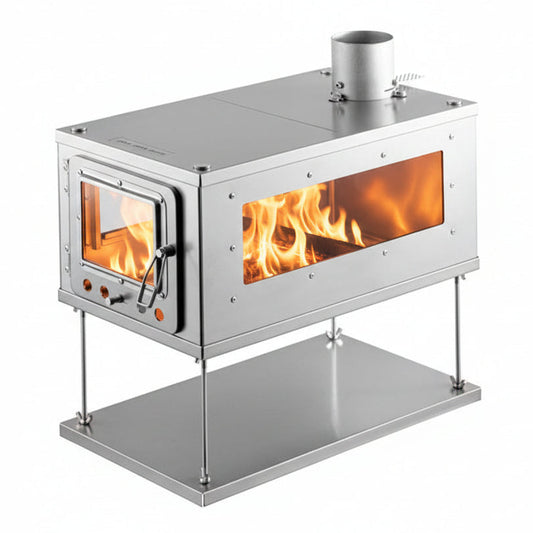
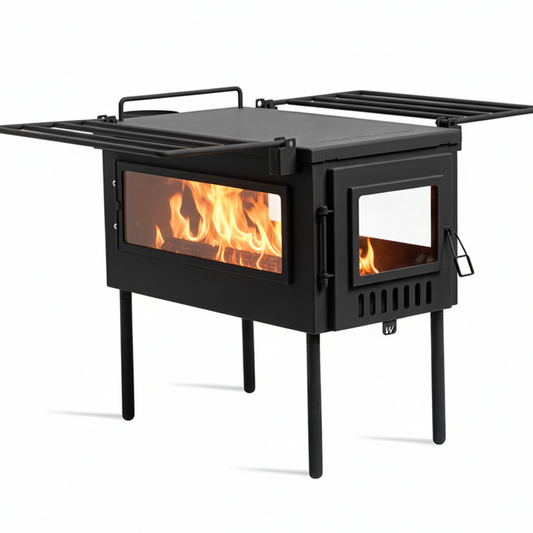
Most tent wood stoves have relatively compact fireboxes compared to residential wood stoves or log-burning fireplaces. A smaller chamber means you load less wood at once, requiring more frequent reloading. While each individual load might not seem substantial, the cumulative effect over a night or weekend trip adds up quickly. You're essentially feeding the stove more often rather than burning larger batches.
Optimal Combustion Temperature
For a tent stove to perform safely and effectively, it needs to maintain a steady, hot burn. Too cool, and creosote builds up in the chimney; too hot, and you risk damaging the stove or canvas. This sweet spot typically requires consistent fuel feed, which naturally increases consumption compared to a slow-burning stove designed for lower temperatures.
Fuel Quality and Moisture Content
Wet or unseasoned wood burns less efficiently and requires more volume to produce the same heat. If your firewood isn't properly dried, you'll notice consumption climb noticeably. Seasoned hardwoods like oak and maple burn longer and hotter than softer, wetter woods, so the quality of your fuel directly impacts how quickly the stove goes through it.
Build a Thick Coal Base Inside Your Firebox
One of the most effective ways to improve your tent stove's efficiency is to establish and maintain a thick bed of hot coals at the bottom of the firebox. A robust coal base acts as a secondary heat source and creates an ideal combustion environment for incoming wood.
When you first light your stove, let the initial fire burn down until you have a substantial layer of glowing coals—roughly 2 to 3 inches deep. This coal bed radiates intense, consistent heat upward, allowing new wood to ignite faster and burn more completely. The result is more usable heat per piece of wood and less wasted energy.
A thick coal base also stabilizes your fire temperature. Instead of sharp spikes and drops as you reload, the coals provide steady thermal mass that smooths out heat output. This consistency reduces the urge to overload the firebox with extra wood to compensate for temperature dips, which is a common source of unnecessary fuel waste.
To maintain your coal bed throughout a long burn session, rake coals toward the center and front of the firebox as ash accumulates. Push spent ash to the sides and back, but don't remove all of it—a thin ash layer insulates coals and helps them stay hot. Add new wood on top of and slightly behind the coal bed, allowing flames to wrap around fresh pieces rather than smoldering on top.
Before you reload, check that coals are still glowing brightly. If they've dulled significantly, let the next load burn down partway before adding more wood. This approach takes slightly more attention than simply stuffing the firebox, but the payoff is noticeable: better heat, longer burn times, and measurably lower firewood consumption across your camping trips.
Extended Burn Duration Expectations
Tent stoves are often used for 8–14 hour stretches or longer during camping trips. That's a lot of continuous burning. A residential fireplace might run for a few hours on a cold evening, while your tent stove works overnight. The sheer duration of use means more total fuel burned, even if the hourly consumption rate is reasonable.
Tips to Reduce Firewood Consumption
- Use fully seasoned hardwood with moisture content below 20 percent
- Split wood into consistent, medium-sized pieces for even, efficient burning
- Build a thick coal base inside firebox
- Avoid overloading the firebox—a steady, moderately hot fire is more efficient than a roaring blaze
- Keep the stove and chimney clean to maintain optimal draft and combustion
- An insulate tent will reduce heat loss and stove workload
Understanding these factors helps you plan fuel needs more accurately and operate your stove more efficiently. A well-maintained stove burning quality wood will still use firewood at a faster rate than cooler heat sources, but smart fuel selection and operation habits make a real difference in how far your wood supply stretches.