How Much Weight a Hot Tent Setup Actually Adds to Your Backpack
How Much Weight Does a Hot Tent Setup Add to Your Backpack?
One of the most common questions we hear from backpackers considering a hot tent setup is simple but important: how much will this add to my pack weight? It's a fair concern. Every ounce matters on the trail, especially on multi-day adventures where you're carrying everything on your back. The good news is that modern ultralight hot tent systems are more packable than ever.

Breaking Down the Weight
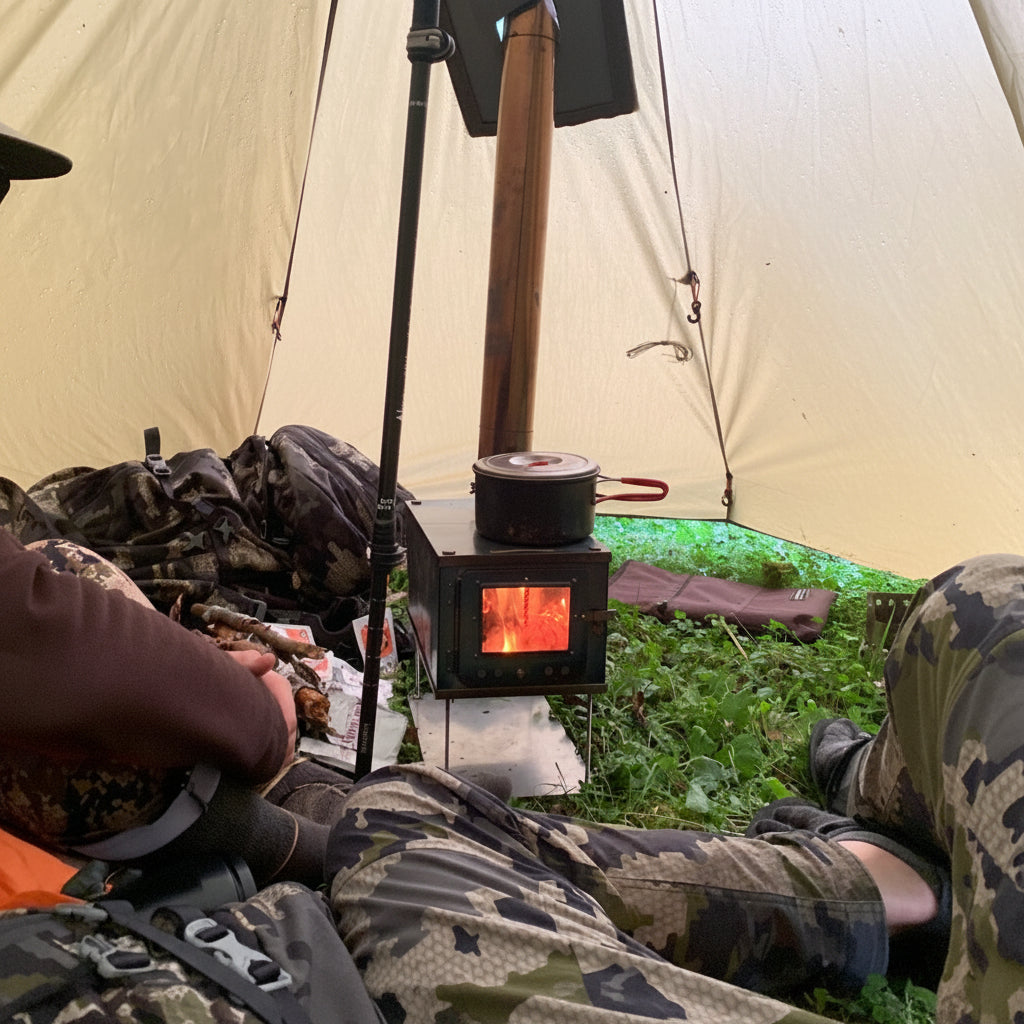
A typical ultralight hot tent setup consists of three main components: the tent itself, the stove, and the chimney system. Each plays a role in the overall weight calculation.
The Tent
Ultralight hot tents designed for backpacking typically weigh between 2 to 7 pounds, depending on the material and size. Lightweight fabrics and minimalist designs keep the structure itself from becoming a burden.
The Stove
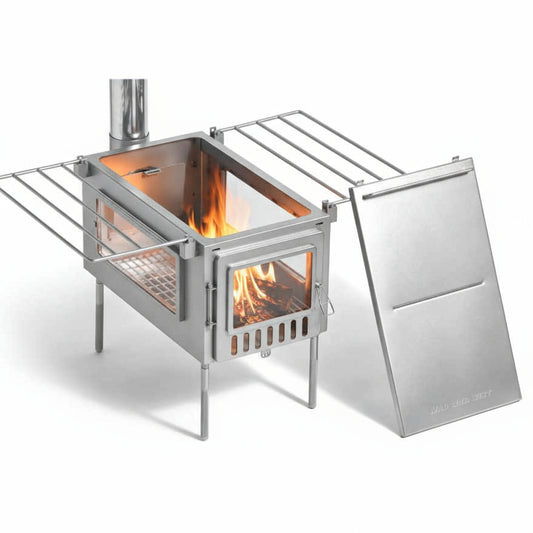
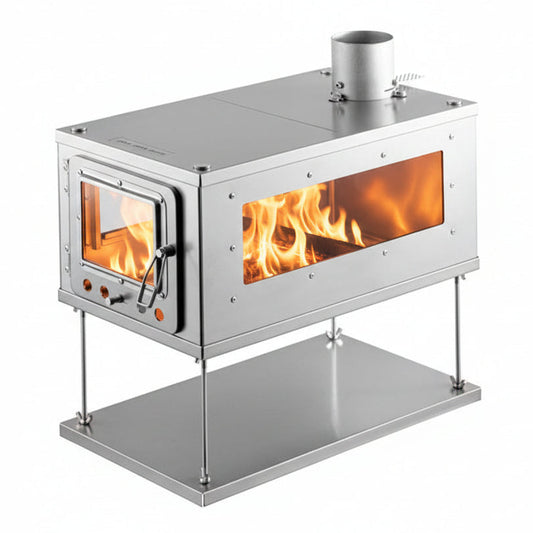
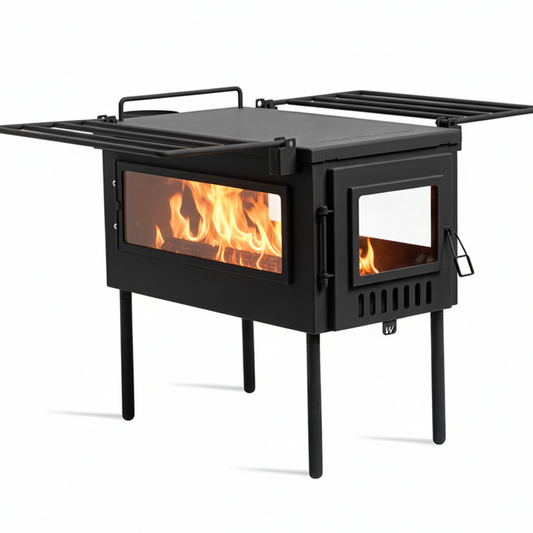
A collapsible hot tent stove usually weighs 2 to 6 pounds. This is where most of your system weight comes from, but the warmth and cooking capability justify the investment for serious winter camping.
The Chimney
Modular chimney pipes add another 1 to 4 pounds to your pack, depending length and material type and gauge. The chimney is essential for safe heat dispersal and smoke management inside the tent.
Total System Weight
When combined, a complete ultralight hot tent system typically adds 5 to 17 pounds to your base pack weight. While that's not insignificant, consider what you're trading it for: the ability to camp safely and comfortably in sub-freezing conditions, cook hot meals inside your shelter, and dry gear during wet weather.
Weight Optimization Tips
If you're looking to keep your system as light as possible, consider these strategies. Choose a titanium stove designed specifically for ultralight use rather than a heavier, traditional camping stove. You can cut roll-up chimney with scissors at the proper length for the specific shelter (typically 12" to 15" above the tents peak height). Some backpackers opt for a floorless shelter, and sleep on a smaller groundsheet than the tents footprint, which removes the floor fabric weight and bulk, without sacrificing interior space.
The reality is that hot tent camping represents a shift in priorities. You're trading some pack weight for comfort, safety, and capability in challenging conditions. For winter adventures and extended backcountry trips, most experienced campers find it a worthwhile trade-off.