How Much Wood You Need for a Night in a Hot Tent
How Much Wood Do You Need for a Night in a Hot Tent?
One of the most common questions from hot tent enthusiasts is simple but crucial: how much wood should I process for a night? The answer depends on several factors, but understanding the variables will help you pack smart and stay warm.

Factors That Affect Wood Consumption
Outside temperature is the biggest driver. On a mild fall night, you might burn significantly less wood than a brutally cold winter evening. A 20-degree night will demand more fuel than a 40-degree night—sometimes dramatically more.
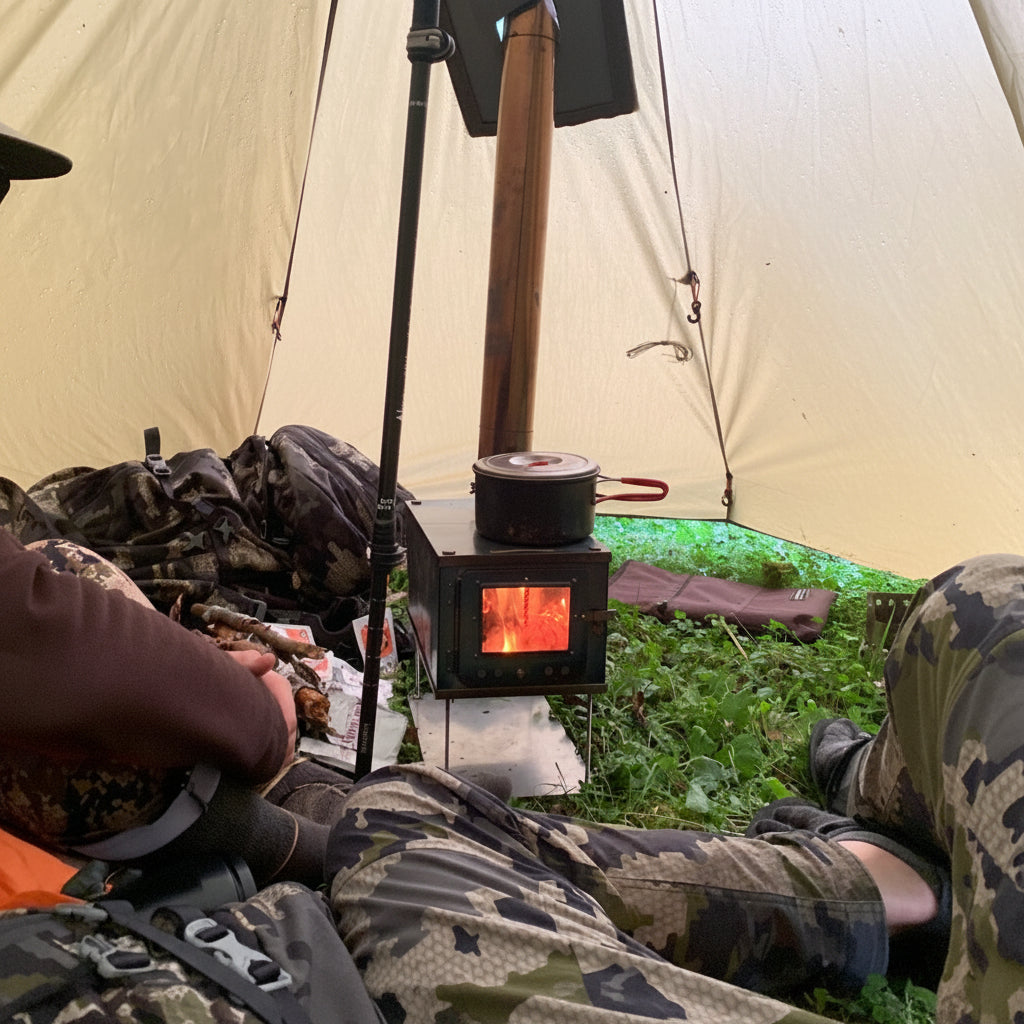
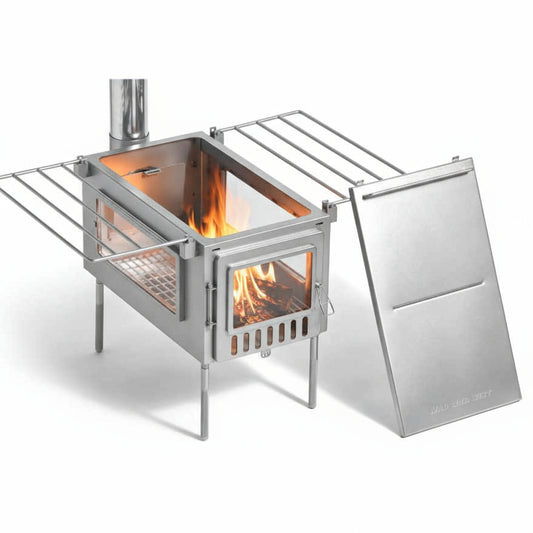
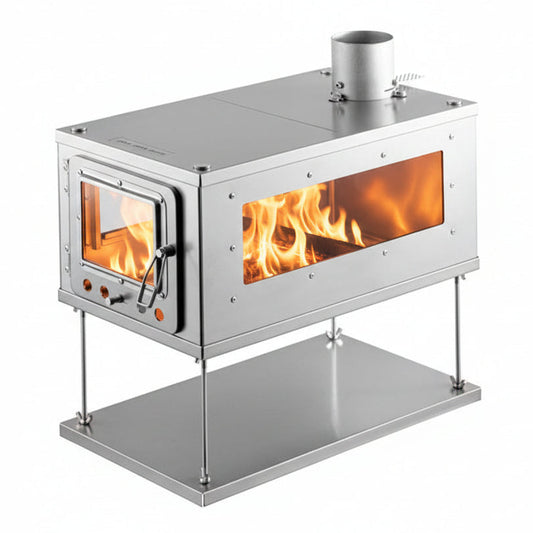
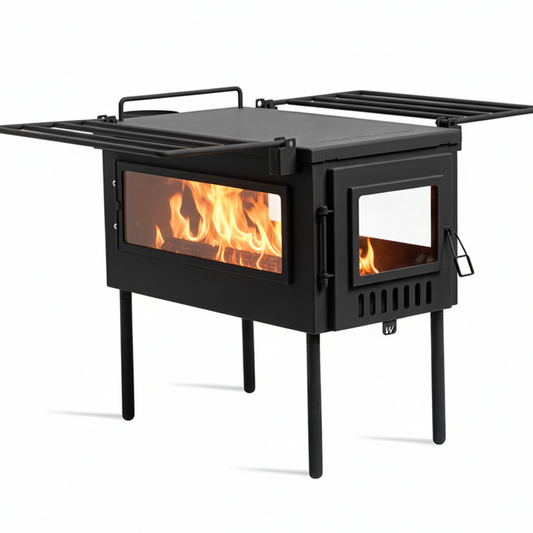
Stove efficiency and design matters too. Quality hot tent stoves are engineered to extract maximum heat from each log, meaning you'll need less wood than in an inefficient setup. A well-designed stove with proper airflow and thickness of metals can make a measurable difference in your fuel consumption.
Tent size and insulation play a role as well. Larger tents or those with thinner fabric will require more heat to maintain comfort. Conversely, a smaller, well-insulated shelter retains warmth longer between fires.
Your personal comfort preference is valid too. Some people are comfortable at 60 degrees inside the tent; others want it warmer. Decide on your target temperature and adjust accordingly.
A Practical Starting Point
For most three-season camping with a quality hot tent stove, plan for 15 to 25 pounds of dry wood per night. In moderate cold (30–45°F), you'll likely be on the lower end. In deep winter or extreme cold, aim for the higher end or more.
A useful rule of thumb: collect enough wood to fill a small bundle or grocery bag for every 2–3 hours of sleep you plan. If you're sleeping eight hours, that's roughly three good bundles. Adjust based on the temperature forecast and your stove's performance.
Wood Quality Is Critical
Wet or green wood consumes far more volume to produce the same heat as seasoned, dry wood. Before any trip, prioritize finding dead, down wood that's been exposed to air and sun. Moisture content should ideally be below 20 percent for efficient burning.
Hardwoods like oak, maple, and birch burn longer and hotter than softwoods. If you're gathering wood on-site, look for these species whenever possible.
Pro Tips for Managing Fuel
- Gather wood in daylight before you need it. Scrambling for fuel in the dark is frustrating and inefficient.
- Bring a small hatchet or saw to process wood to the right size for your stove's firebox.
- Store split wood inside the tent overnight so it stays dry and ready for the morning fire.
- Consider a backup supply—extra kindling packed in your bag ensures you're never gonna struggle to get a fire going.
- Test your stove at home first to understand how long a single load burns and how hot it gets.
With experience and a bit of experimentation, you'll develop a feel for exactly how much wood you need under different conditions. Start conservative, keep good notes on what worked, and refine your packing strategy over time.