Sleeping on Snow Floorless Tent Camping in Winter
Sleeping on snow in a floorless tent might sound intimidating, but with the right approach and gear, it can be one of the most rewarding winter camping experiences. Whether you're testing your skills in backcountry conditions, bringing along your tent wood stove or enjoying car camping in deep snow, understanding how to manage insulation, moisture, and comfort is essential.

Why Choose a Floorless Tent?
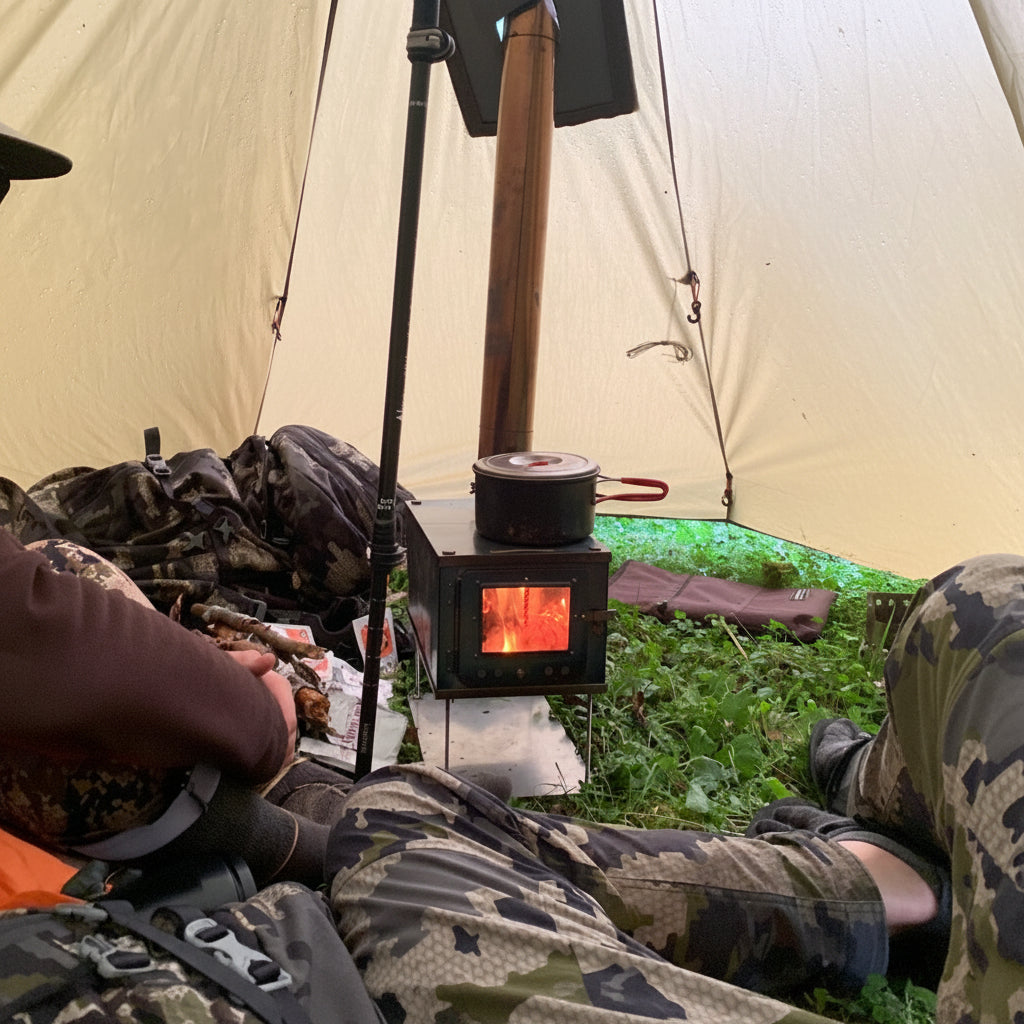
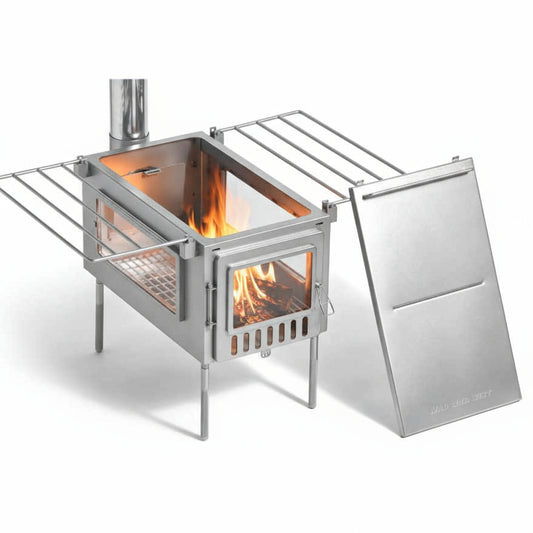
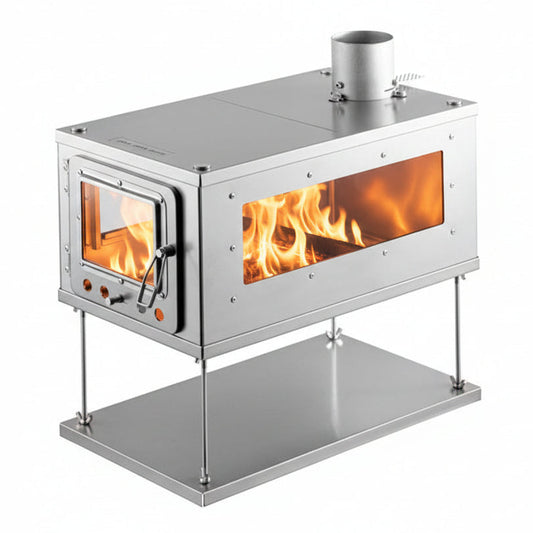
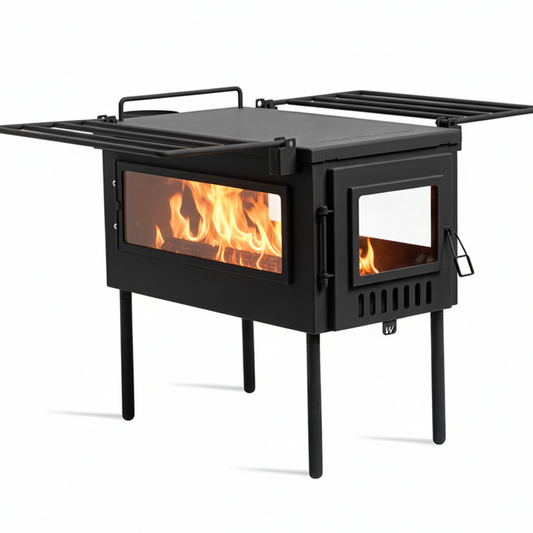
Floorless tents, especially hot tent designs, offer distinct advantages in winter camping. They allow you to place a wood stove safely inside, creating a warm, dry shelter that's unmatched by traditional tents. The open floor design also lets you have less firewood mess. Plus, the ability to heat your sleeping space directly transforms winter camping from survival mode into genuine comfort.
Building Your Snow Platform
Success starts before you ever unroll your sleeping bag. Prepare a sturdy, insulated floor platform using natural materials or purpose-built solutions. Compact snow to create a solid foundation, then layer insulation to place a groundsheet on—whether that's closed-cell foam pads, pine boughs, or specialized winter camping mats. This separation between your body and the snow below is critical; direct contact will drain heat rapidly regardless of your sleeping bag quality.
Aim for at least 2–3 inches of insulation beneath you. If you're using a hot tent stove, the platform also needs to accommodate the stove base safely.
Sleeping Bag and Insulation Layers
Invest in a winter-rated sleeping bag—one rated for temperatures well below what you expect to encounter. A bag rated for 0°F provides a safety margin in –10°F conditions. Consider using two sleeping bags (one inside the other) or a high-quality synthetic or down bag paired with a sleeping bag liner for extra insulation.
Wear clean, dry base layers to bed and avoid cotton entirely. Moisture is your enemy; even light perspiration can reduce insulation effectiveness overnight. Change into dry sleepwear before getting into your bag, and keep wet gear outside the tent or in a sealed bag to prevent humidity buildup.
Managing Condensation and Moisture
Inside a floorless tent, especially one heated by a stove, condensation is almost non existent. Combat this by ensuring good ventilation around the stove chimney and cracking a vent in the tent fabric if possible. Burn the wood stove nice and hot, with a thick bed off coals.
Stove Safety and Heat Management
If using a hot tent stove, follow all manufacturer guidelines strictly. Position the stove on a non-flammable base, or on the snow, and maintain safe clearance from tent walls and your sleeping area. Never fall asleep with a stove running unattended—carbon monoxide risk is real.
Hydration and Nutrition
Winter camping burns enormous calories. Eat a substantial dinner before bed and keep high-calorie snacks accessible throughout the night. Stay hydrated, but drink most fluids earlier in the evening to minimize bathroom trips in the cold.
Keep a thermos of hot water or tea inside your tent. A warm drink before sleep helps your body generate heat through the night, and having something warm available without leaving the tent is a game-changer for comfort and safety.
Testing and Practice
Don't attempt a multi-day snow camping trip without testing your setup first. Camp in your backyard or a nearby location during mild conditions to identify problems—gear failures, condensation issues, or comfort gaps—before you're in a remote backcountry location. Each camping trip teaches lessons that make the next one safer and more enjoyable.
Winter camping on snow in a floorless tent is absolutely achievable with proper planning, quality gear, and respect for the conditions. The reward is unparalleled: a warm, intimate shelter in a silent, snow-covered landscape, and the confidence that comes from mastering true winter wilderness camping.