What Beginner Hot Tent Stove You Should Get to Start
What Beginner Hot Tent Stove Should You Get?
If you're new to hot tent camping, choosing your first wood stove can feel overwhelming. You're investing in a piece of gear that will define your cold-weather experience, keep you warm through long nights, and set the tone for years of winter adventures. The good news: there are excellent options for beginners that won't break the bank or require a Ph.D. in stove operation.

Consider Your Tent Size and Setup
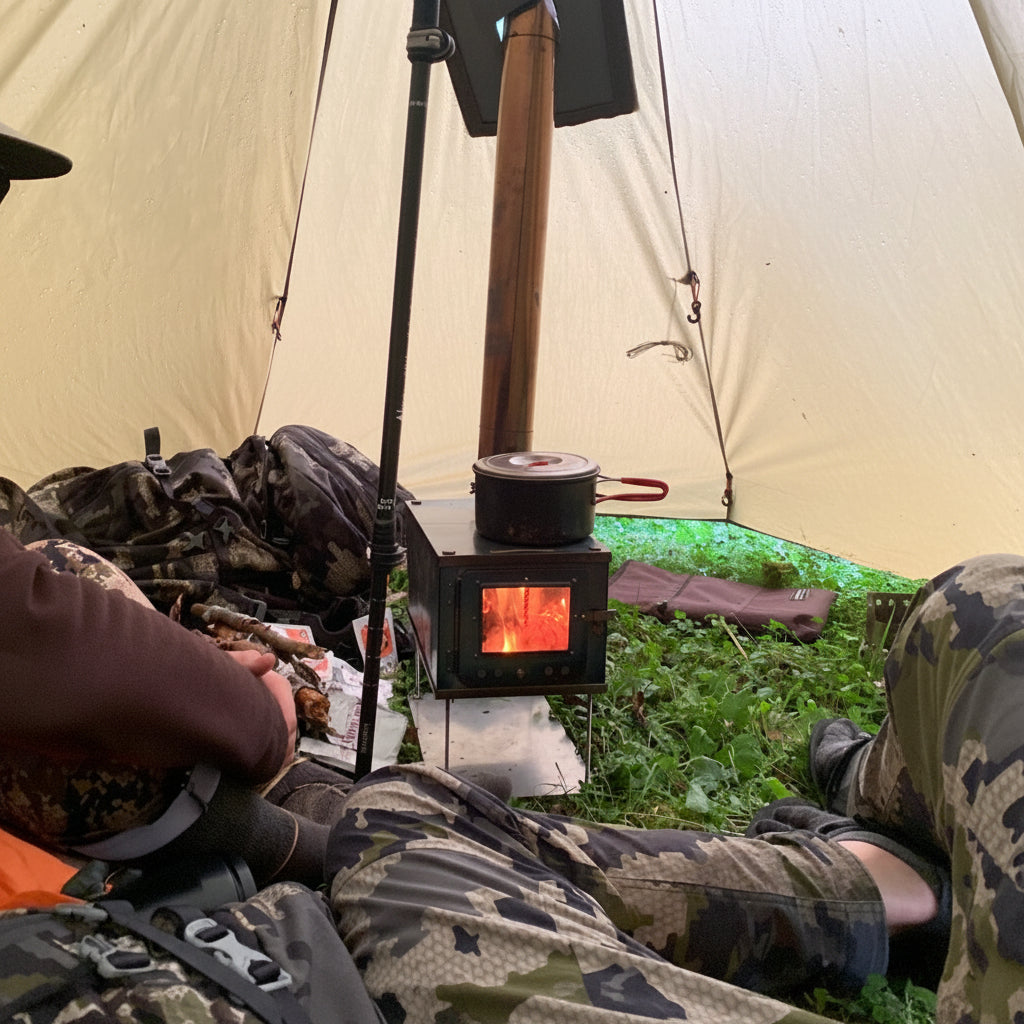
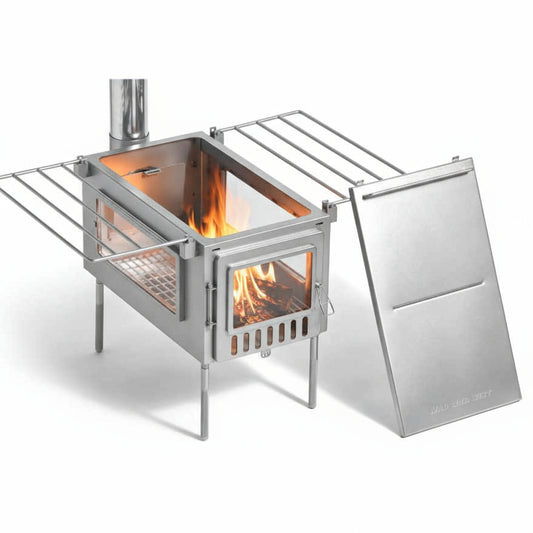
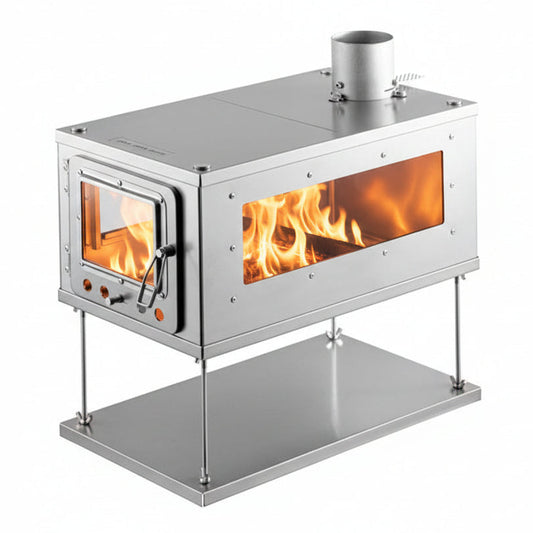
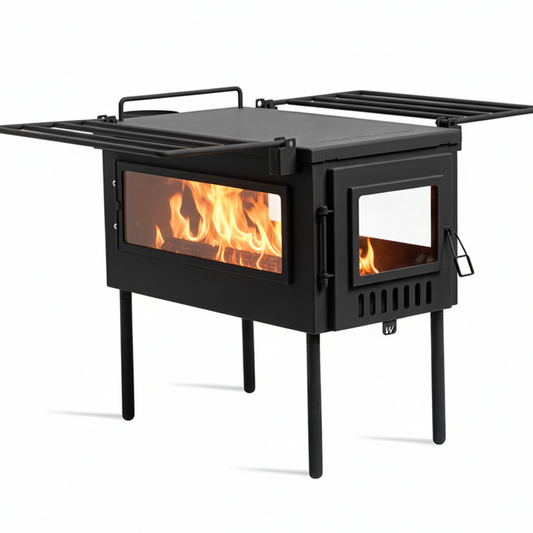
Before you pick a tent, think about your stove. Hot tent stoves come in different sizes, and matching the stove to your shelter is crucial. A tiny ultralight stove won't heat a large canvas wall tent, while an oversized stove in a cramped backpacking tent creates safety and efficiency problems. Most beginner setups use compact to mid-size stoves that balance heat output, portability, and ease of use. If you're starting with a smaller tent or shorter trips, a lighter stove makes sense. If you're planning three-season or four-season car camping, you can go slightly larger.
Look for Simple, Proven Designs
Your first stove should be straightforward. Avoid experimental features or overly complex fuel systems when you're learning. Proven designs with flat sides and straight joints are easier to set up and break down. Look for models with clear instructions and readily available replacement parts. If something goes wrong at 2 a.m. in the cold, you want to troubleshoot quickly, not puzzle over obscure mechanics.
Avoid Cheap Materials and Low-Quality Construction
Budget stoves might seem attractive upfront, but they often use thin uncertified steel or titanium, poor welds, or untested designs that fail when you need them most. A stove that rusts through after one season, leaks smoke into your tent, or cracks under thermal stress isn't a bargain—it's a liability and a safety risk. Quality stoves use thicker, higher-grade steel or titanium, precision-welded seams, and materials engineered to handle repeated heating and cooling cycles. They also hold their value better if you decide to upgrade later. Invest in a stove built to last multiple seasons, not one designed to be disposable. The durability difference between a well-made stove and a cheap knockoff can span years of reliable warmth and countless safe winter nights.
Fuel Type Matters
Hot tent stoves typically burn wood. Wood-burning stoves are intuitive—gather fuel, light a fire, adjust the damper. They're forgiving for beginners because you can visually monitor burn and heat. For your first season, a wood-burning stove removes variables and lets you focus on safe operation and tent management.
Chimney and Safety Are Non-Negotiable
Never compromise on chimney quality or spark arrestor design. A proper chimney prevents interior fires, directs smoke away from your sleeping area, and reduces carbon monoxide risk. Your stove choice should include or accommodate a chimney system that's easy to assemble and stable in your tent setup. Budget for a good chimney—it's as important as the stove itself.
Start with Weight and Portability in Mind
A stove that's too heavy becomes a reason to skip cold-weather trips. Beginners benefit from models in the 15–30 pound range (depending on size category) that don't require a trailer or pack animal. Lighter stoves are easier to test different campsite locations and adjust your setup without exhaustion.
Plan Your First Season
Your ideal beginner stove checks these boxes: proven design, certified metals in manufaturing, appropriate size for your tent, wood fuel system, solid chimney compatibility, reasonable weight, and strong user reviews. Don't chase the lightest, cheapest or fanciest option—choose reliable and learnable. Once you've spent a season with your first stove, you'll know exactly what you want in your next one.
Hot tent camping opens a world of year-round adventure. Your first stove is the gateway. Pick one that lets you focus on enjoying the experience, not fighting your equipment.