What Distance from Tent Stove Should Sleeping Bag and Outdoor Gear Be?
One of the most common questions from first-time hot tent users is how to safely position sleeping gear relative to a tent wood stove. Getting this right isn't just about comfort—it's essential for preventing damage to your gear and ensuring a safe camping experience.

Minimum Safe Distance
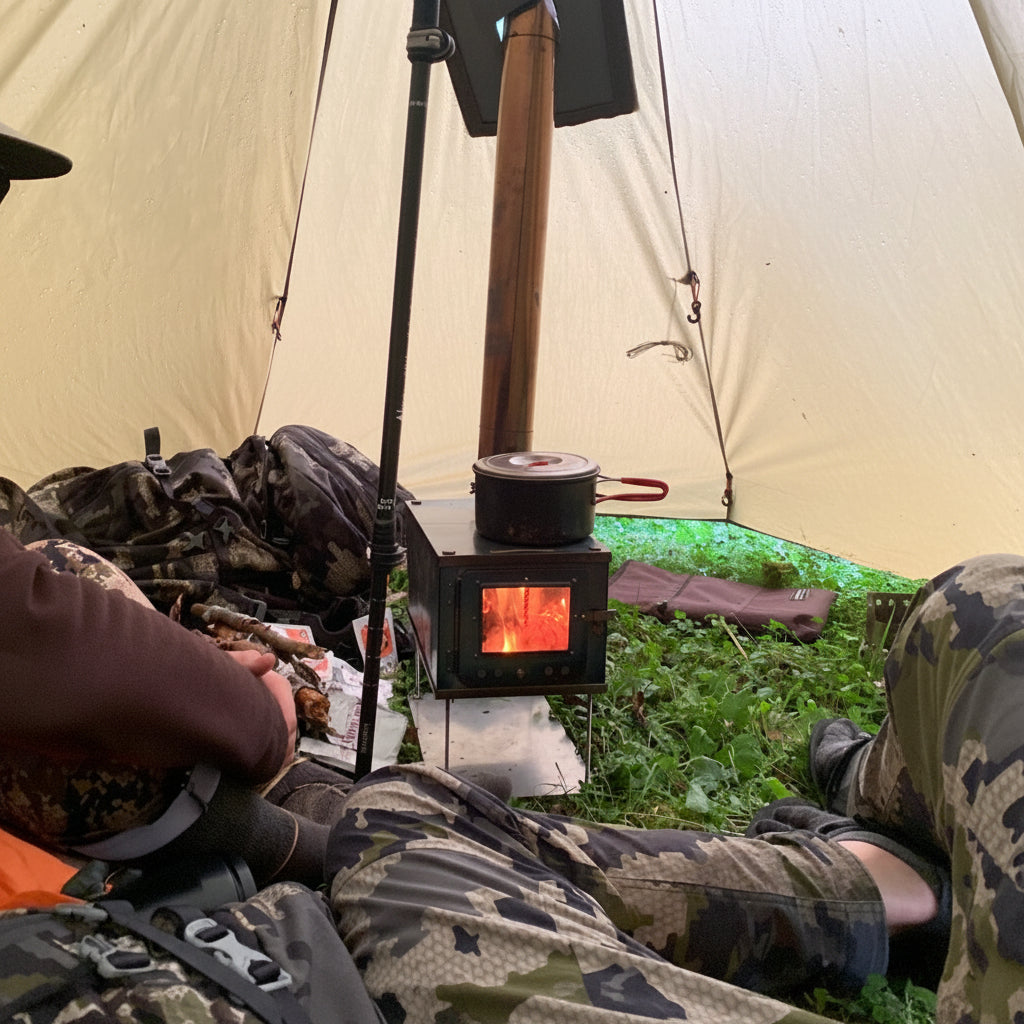
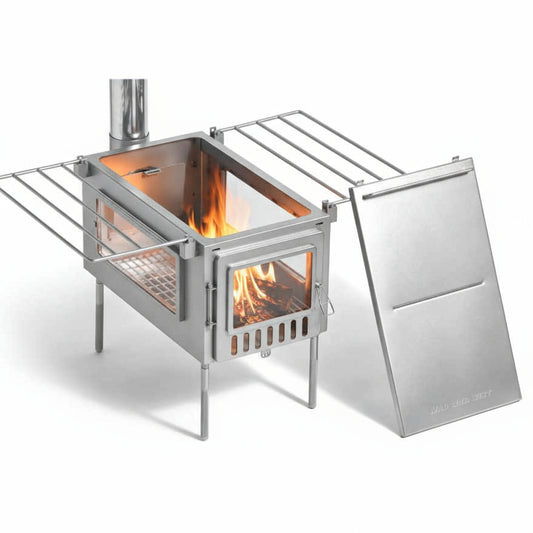
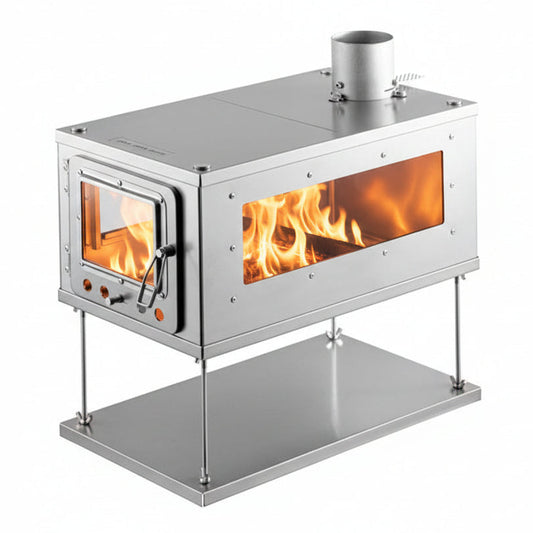
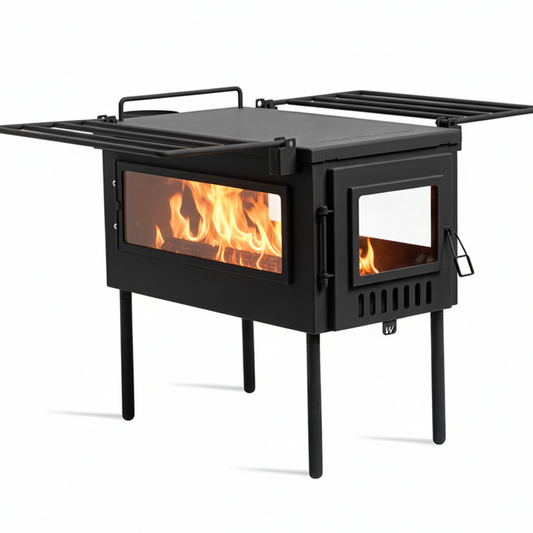
The safest approach is to maintain at least 3 to 5 feet of clearance between your sleeping bag, insulation layers, and any part of the tent stove. This includes the stove body, chimney sections, and any metal components. The exact distance depends on several factors, including the firebox size of the stove model, how hot the exterior surface gets, and your tent's layout.
Many manufacturers recommend checking their specific guidelines, as stove designs vary. Radiant heat travels further than you might expect, so erring on the side of extra space is always the better choice.
Why Distance Matters
Tent stoves produce intense radiant heat. Even if the immediate air around your sleeping bag feels comfortable, prolonged exposure to radiant heat can melt synthetic insulation and create fire hazards. Sleeping bags and gear stored too close may also experience premature material breakdown, shortening their lifespan.
Beyond gear protection, maintaining proper distance ensures you can safely tend to the stove, add fuel, and manage the chimney without accidentally bumping your sleeping setup or creating a confined space where heat concentrates dangerously.
Smart Tent Layout
Position your sleeping bag along the tent's longest wall, perpendicular to the stove whenever possible. If your tent is small, consider placing the stove near the entry vestibule and your sleeping area toward the opposite end. Use tent dividers, clothing, or gear bags as barriers if needed to create additional separation.
Store extra gear—fuel, spare clothes, and supplies—away from the stove as well. Not only does this protect your equipment, it also keeps the stove area clear for ventilation and safe operation.
Final Safety Note
Always follow the manufacturer's guidelines for your specific stove model and ensure your tent is rated for stove use. Proper ventilation through the chimney hole and maintaining adequate distance are your best defenses against heat damage and safety risks.