What Makes One Backpacking Tent Stove Better Than the Other
Understanding Key Performance Differences
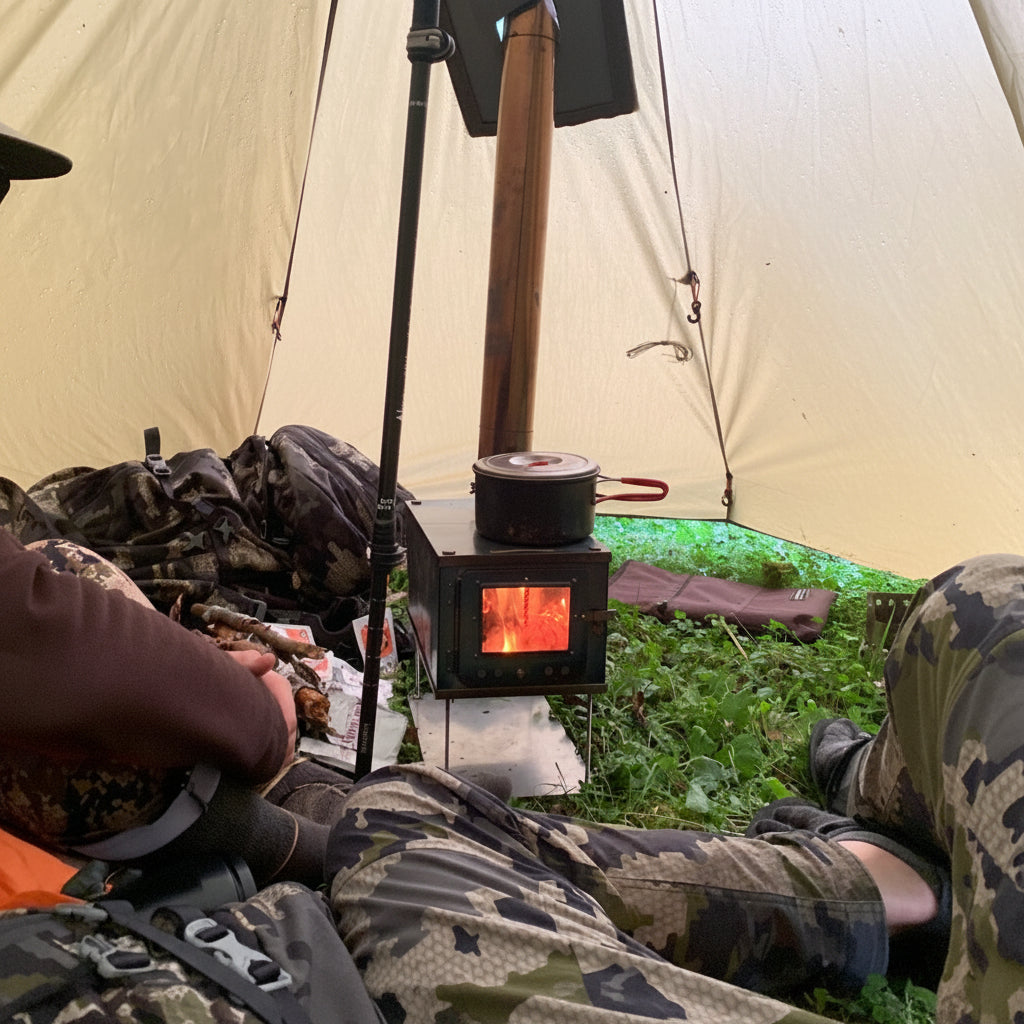
Not all backpacking tent wood stoves are created equal. Whether you're planning a three-season camping trip or winter mountaineering, the stove you choose can make or break your experience. The differences between models go far beyond brand names—they touch on heating efficiency, durability, ease of use, and how well they integrate with your tent setup.

Heat Output and Burn Efficiency
The most obvious distinction is how much heat a stove produces and how evenly it distributes that warmth. A superior tent stove maintains consistent temperatures without hot spots that can damage fabric or create uncomfortable cold zones.
Burn efficiency also matters. Premium stoves extract more usable heat from less fuel, which directly translates to lighter pack weight and longer trips between resupply opportunities. This efficiency comes from precise air intake controls and combustion chamber design that keeps fires burning at peak temperature.
Construction Quality and Materials
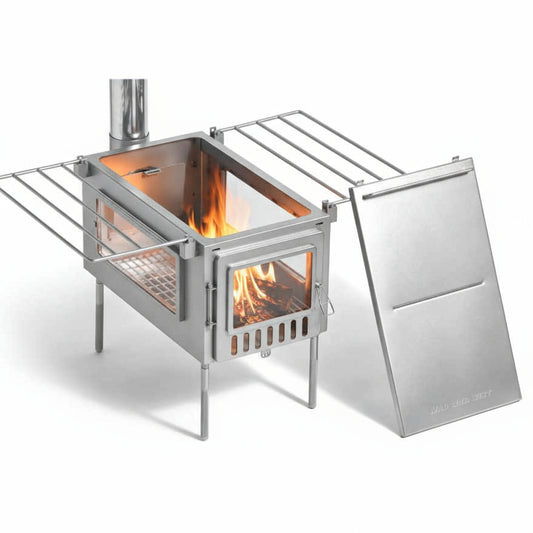
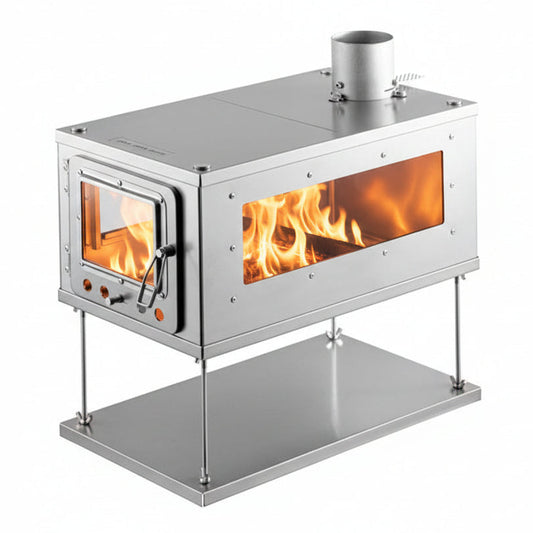
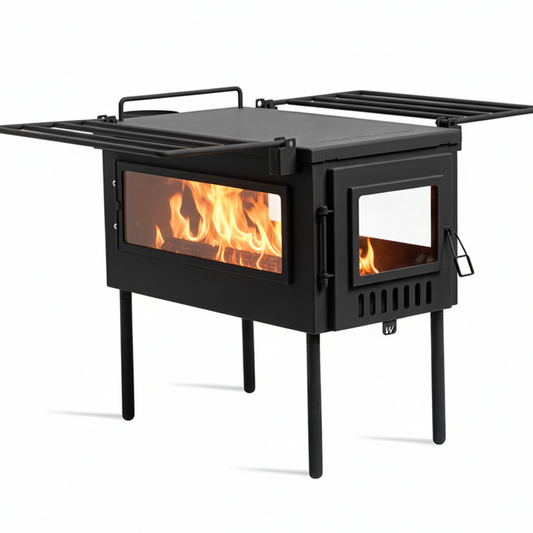
Durability separates budget stoves from expedition-grade equipment. High-quality models use thicker, certified premium-grade steel or titanium that withstands repeated heating cycles, thermal shock, and the inevitable bumps of backcountry transport. Welds should be clean and reinforced, especially around stress points like the chimney collar and door frame.
Chimney Design and Setup
The chimney system is where many inferior stoves fail. A well-designed chimney draws smoke efficiently without creating backdraft issues. Premium models offer modular, tool-free assembly that doesn't require gloves off in cold weather. The sections should fit snugly without gaps but still be easy to separate for cleaning and pack-down.
Height and diameter also matter. A chimney that's too short or narrow restricts airflow and causes smoke to pool in your tent. Better designs account for various tent heights and account for the physics of draft without requiring field adjustments.
Safety Features and Shielding
Superior tent stoves include thoughtful safety details that casual manufacturers skip. Heavy-duty door latches that don't slip open during the night, protective shields that prevent tent fabric contact with hot surfaces, and stable legs that won't sink into soft ground all reduce risk. Better models also include design features that prevent accidental tip-overs and make it nearly impossible to operate the stove unsafely.
Weight and Packability
For backpacking, lighter is only better if it doesn't compromise performance. Premium stoves strike a balance—they use efficient design and smart material choices to minimize weight without cutting corners on heat output or durability. Compare the packed dimensions, not just raw weight. A stove that collapses down compactly is more valuable than one that barely fits in your pack despite being a few ounces lighter.
Real-World Reliability
The ultimate test is how a stove performs when you need it most—in challenging conditions, after months of storage, or when you're exhausted at the end of a long day. Superior stoves fire up reliably even with damp wood, maintain draft in windy conditions through smart geometry, and don't develop rust or corrosion that affects future use. They're the ones that experienced backcountry users return to year after year.
Investing in a quality tent stove isn't an expense—it's a foundation for safer, warmer, more enjoyable backcountry experiences. The right choice depends on your typical terrain, season, and trip duration, but quality construction and proven design always outlast shortcuts.