What You Actually Need to Start Hot Tent Camping
Hot tent camping is an incredible way to extend your outdoor season into the coldest months. Whether you're planning a winter expedition or simply want to stay warm during shoulder-season adventures, understanding what gear you need is the first step to success.

The Hot Tent Itself
Your tent is the foundation of hot tent camping. Look for a canvas or synthetic fabric tent specifically designed to handle winter conditions. Wall tents, bell tents, and winter style tents are popular choices. Seams must be waterproof, and the tent should have a stove jack—a reinforced opening in the roof for your chimney pipe.
A Reliable Wood Stove
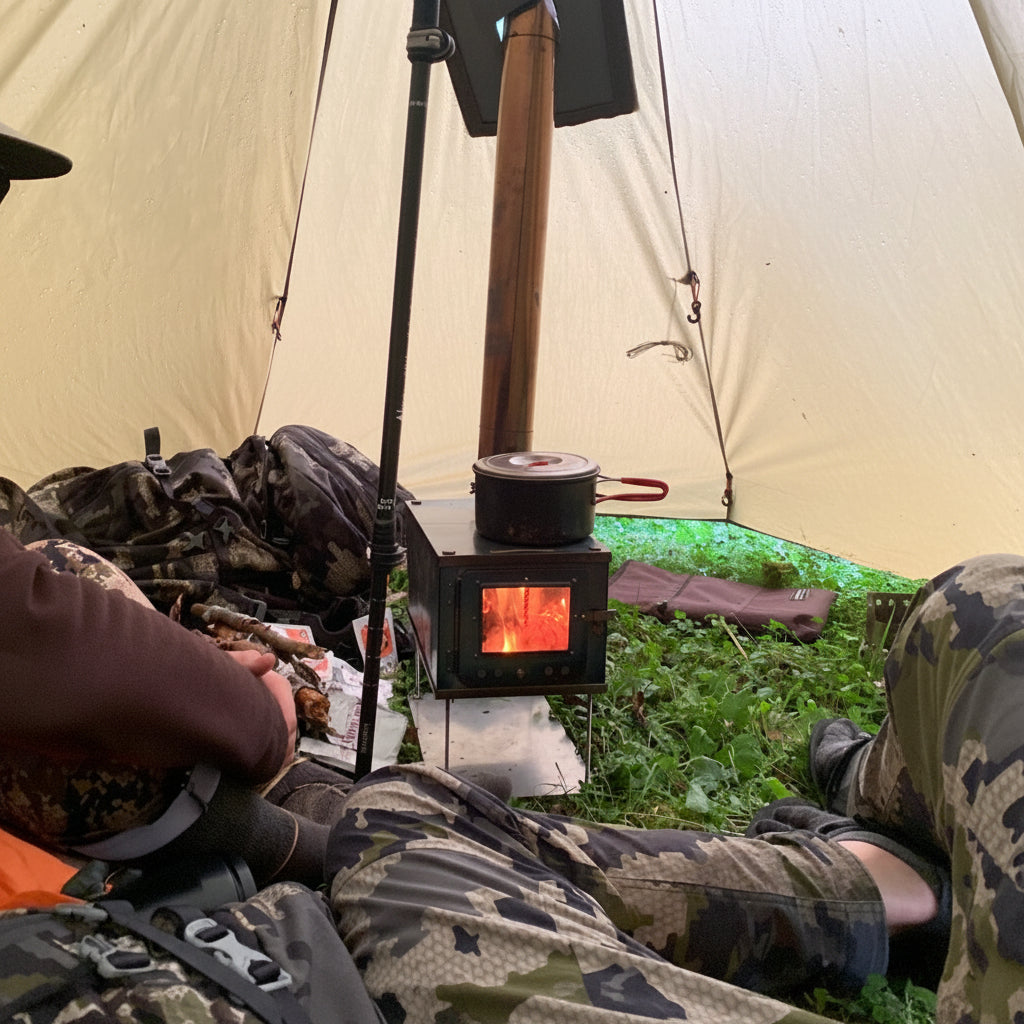
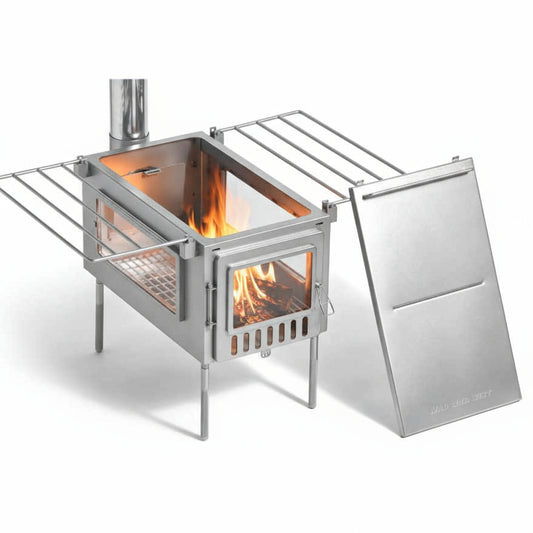
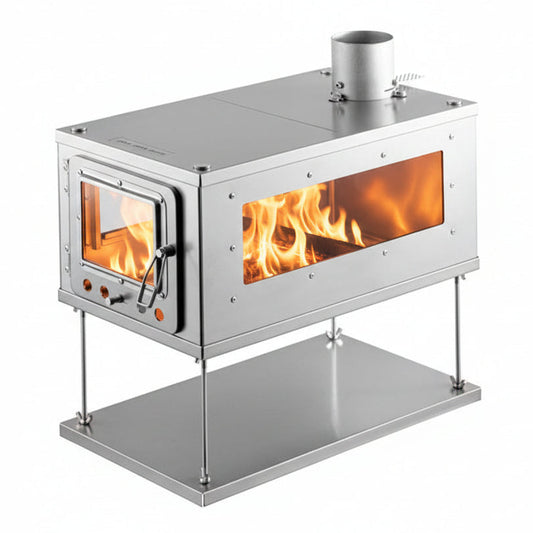
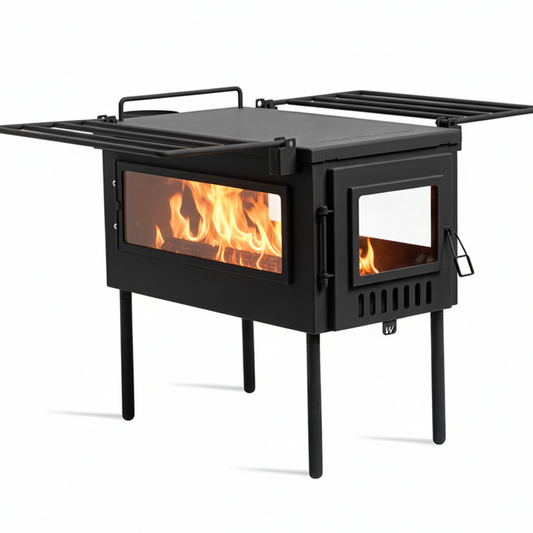
The stove is your lifeline in cold conditions. You'll want a compact, efficient wood stove designed for tent use. Look for models that heat quickly, burn wood cleanly, and fit comfortably inside your tent footprint. Ultralight titanium options are ideal if you're backpacking, while heavier steel stoves work well for base camps. Ensure your stove has a spark arrestor to help prevent pinholes in your shelter fabric.
Chimney and Pipe System
A proper chimney system safely vents dangerous gases and smoke outside your tent. Stainless steel pipes are durable and reliable. You'll need enough pipe sections to reach from your stove through the stove jack and above your tent roof—typically 2 to 4 feet depending on your setup.
Insulation and Bedding
Even with a stove running, you need quality insulation. Invest in a high-quality sleeping bag rated for temperatures well below what you expect to encounter. A sleeping pad with high R-value (thermal resistance) is equally important—it insulates you from cold ground. Seriously consider bringing a foam pad in addition to an inflatable pad for maximum insulation.
Fuel and Storage
Seasoned firewood is essential. Process more than you think you'll need—wood takes up space in your shelter, but running out on a cold night isn't an option. Store wood inside your tent or covered area. Consider packing in dry kindling in a waterproof bag to start a fire and save yourself a headache in extreme weather conditions.
Cooking and Food Preparation
Your stove can heat water and cook food on the stovetop. Cookware designed for stove-top use works best. Store all food safely to prevent wildlife intrusion, and plan meals that are simple to prepare in cold conditions.
Navigation and Communication
Always carry a map, compass, and GPS device. In winter conditions, visibility drops and landmarks shift. A satellite communicator or personal locator beacon is worth its weight in gold if you need emergency help in remote areas.
Hot tent camping transforms winter from a reason to stay indoors into an invitation for adventure. With the right gear and preparation, you'll stay warm, safe, and comfortable in some of the most beautiful seasons the outdoors has to offer.