#1 Most Misunderstood Winter Camping Skill You Need to Learn
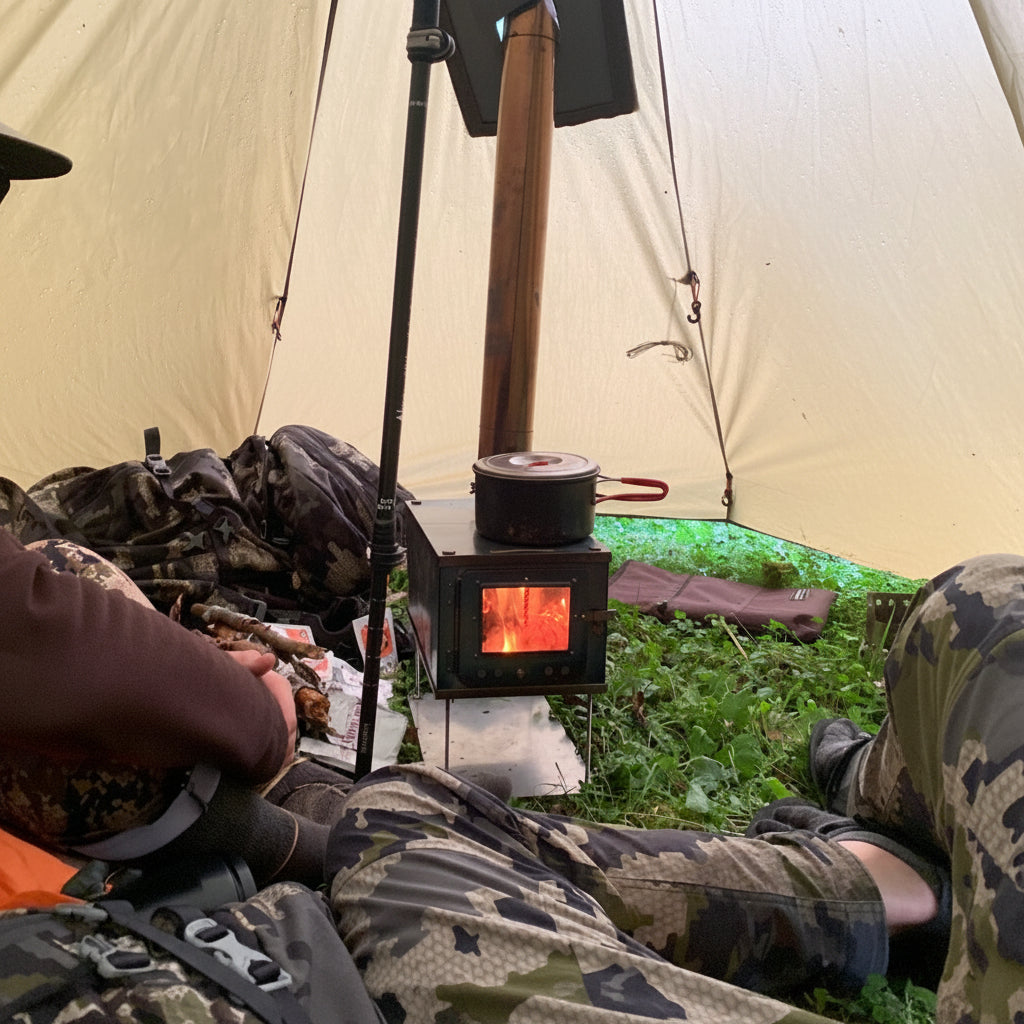
Winter camping demands respect for the elements, and few skills separate the comfortable from the miserable quite like mastering your hot tent wood stove. If there's one overlooked capability that separates seasoned winter campers from frustrated beginners, it's proper fire management.
Most people assume that keeping a wood stove hot is straightforward: load it with wood, light it, and let it run. In reality, fire management in a confined space—especially inside a tent—requires precision, timing, and understanding of wood behavior under cold conditions.

Why Fire Management Matters
A poorly managed stove fire can lead to a cold night, wasted fuel, excessive smoke buildup, and short burn times. The stakes are higher in winter. Your stove isn't just a luxury; it's often essential for staying warm, drying gear, and maintaining morale during extended cold-weather trips.
The Common Skill Mistakes
Starting fires wrong: A weak initial fire sets the tone for the entire burn cycle. Building a proper fire coal base, using kindling strategically, and allowing oxygen to flow during startup makes the difference between a quick ignition and a frustrating battle.
Overloading the stove: Cramming wood into the firebox doesn't create more heat—it smothers the fire, reduces airflow, and produces excess smoke. Proper fire management is about steady, controlled burns.
Ignoring moisture content: Wet or green wood performs terribly in winter conditions. Even wood that looks dry on the outside can retain interior moisture. Learning to identify properly seasoned wood is non-negotiable.
Neglecting airflow control: Most wood stoves have adjustable vents or dampers. Beginners often leave these wide open or completely closed, neither of which produces optimal heat. Understanding how to modulate airflow transforms your stove's efficiency.
Core Fire Management Principles
Start lean, build gradually: Begin with a small, hot fire using dry kindling and tinder. Once a thick coal bed is established, add fuel incrementally rather than dumping a load all at once.
Monitor your fuel: Watch how the wood is burning. A clean, steady flame indicates good airflow and fuel quality. Excessive smoke or a struggling flame means you need to adjust vents or wood placement.
Manage temperature swings: The goal is steady, consistent heat. Learn to anticipate when the fire is burning down and add fuel before temperature drops. This prevents the boom-and-bust cycle that leaves you cold.
Test your stove before winter: Use a few autumn camping trips to practice fire management in less extreme conditions. This builds confidence and reveals any quirks specific to your setup.
Importance of Building Skill with Hands-On Time at Home
Theory only takes you so far. The most effective way to master fire management is to practice at home before you're potentially shivering in a tent at zero degrees.
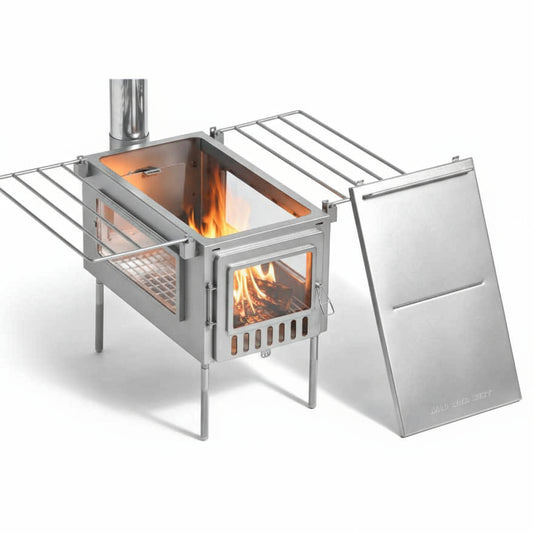
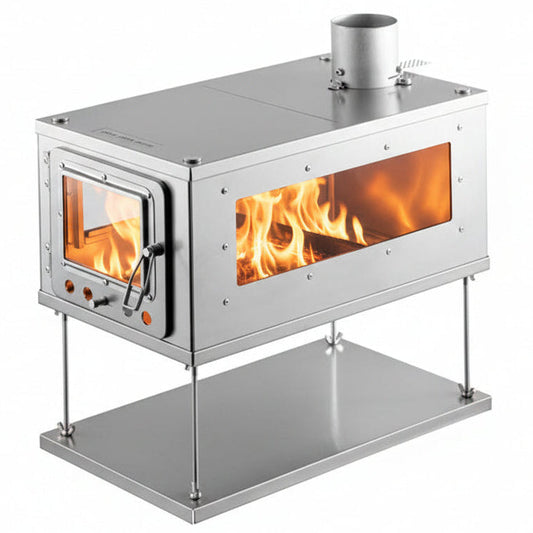
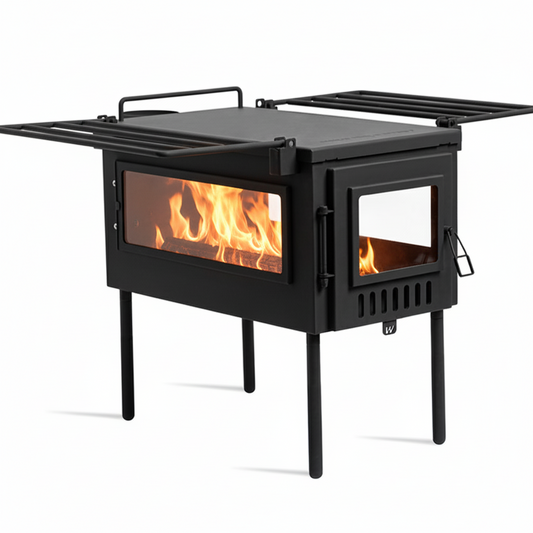
Set up your stove in your backyard to build skills. Spend time lighting fires, experimenting with wood placement, adjusting vents, and observing how your specific stove responds to different conditions. Notice how quickly the firebox heats up, how the draft changes with damper adjustments, and how various wood types burn. This low-stakes experimentation builds intuition that no article can fully convey.
Home practice reveals surprises: maybe your stove draws better with the door cracked slightly open, or perhaps certain kindling arrangements create faster, cleaner ignition. You'll develop a feel for when wood is too wet, learn how much fuel actually fits efficiently, and understand the sound and smell of an optimal burn. These sensory cues become second nature only through repetition.
Even a few weekend sessions in your own yard—where failure is inconvenient rather than dangerous—builds the confidence and muscle memory you'll rely on when conditions are harsh and stakes are high. By the time you're in the field, managing your stove becomes automatic rather than anxious.
Winter camping success hinges on mastery of the details. Invest time in learning your stove, sourcing quality wood, and practicing fire management before your camping adventure. It's a skill that pays dividends across every cold-weather trip you take.